Exosome therapy is one of the most talked-about advancements in aesthetic medicine. Patients seeking non-surgical options for facial rejuvenation and healthier skin are increasingly turning to this science-backed approach. But what exactly are exosomes, how do they work for your face and skin, and what should you expect from treatment?
This guide explains everything you need to know, from the fundamental science to practical considerations for choosing a provider.
Book a Free Consultation Call 305.598.7777
Our treatments are out-of-pocket and not covered by insurance.
What Are Exosomes in Skincare?
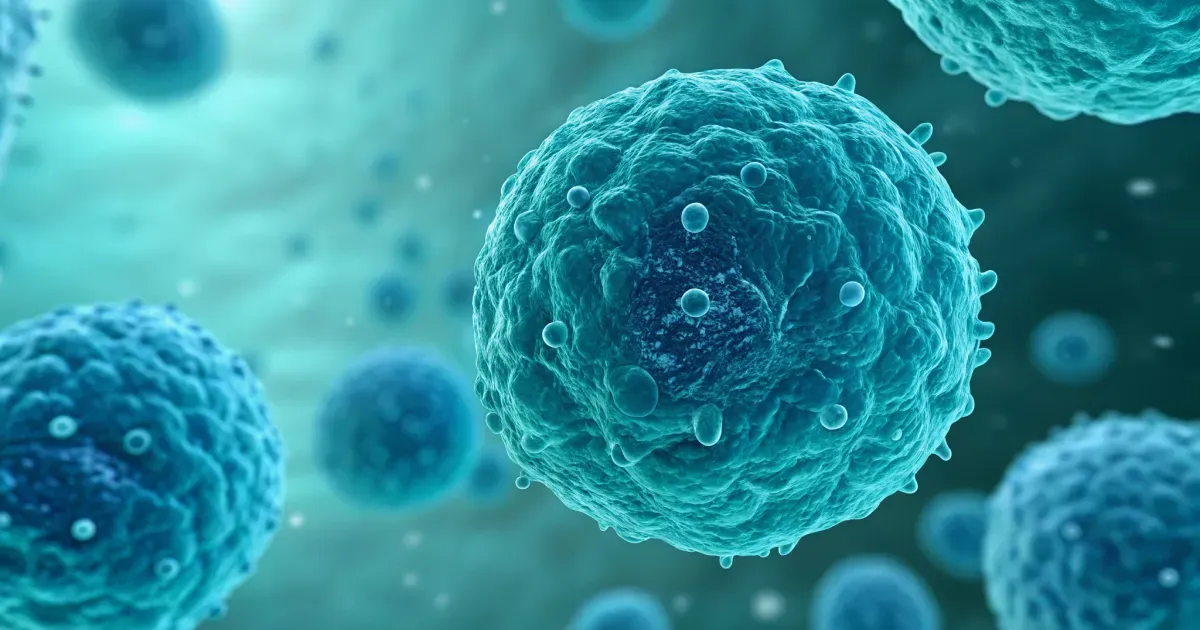
Exosomes are tiny extracellular vesicles — microscopic packets ranging from 30 to 150 nanometers in diameter — that cells naturally release to communicate with one another. They carry proteins, lipids, growth factors, messenger RNA, and microRNA that influence how recipient cells behave. Every cell in your body produces exosomes as part of normal intercellular communication.
In the context of skincare and aesthetic medicine, exosomes derived from mesenchymal stem cells (MSCs) are of particular interest. These MSC-derived exosomes contain a rich payload of signaling molecules that may help support the skin’s natural repair processes, reduce visible signs of aging, and improve overall skin quality.
Think of exosomes as your skin’s messaging system. Instead of introducing new cells or foreign substances, they deliver instructions that encourage your existing skin cells to function more effectively. This is fundamentally different from traditional skincare approaches that rely on ingredients working at the surface level.
The science behind exosomes in skincare continues to evolve, but the principle is well-established in regenerative medicine: signaling matters as much as the cells themselves. Researchers have identified hundreds of different proteins and microRNAs within MSC-derived exosomes, each contributing to the overall therapeutic effect.
How Exosomes Differ from Other Regenerative Ingredients
It helps to understand what makes exosomes unique compared to other ingredients commonly used in aesthetic medicine:
Exosomes vs. growth factors. Growth factor serums typically contain isolated proteins. Exosomes deliver growth factors in their natural packaging, along with the regulatory microRNAs that help control how those growth factors are used by recipient cells.
Exosomes vs. stem cells. Live stem cells carry the risk of differentiation into unintended cell types and require handling that keeps them viable. Exosomes are acellular — they cannot divide or become something unexpected — and are easier to store and standardize.
Exosomes vs. peptides. Peptides are short chains of amino acids designed to signal specific responses. Exosomes deliver a far broader signaling payload, more closely mimicking the body’s natural communication system.
How Exosomes Work for Facial Rejuvenation
To understand how exosomes work for facial rejuvenation, it helps to review what happens to skin as it ages.
Over time, skin naturally produces less collagen and elastin — the structural proteins that keep it firm, smooth, and hydrated. Collagen production begins declining in the mid-to-late twenties at about 1 percent per year. Environmental factors like UV exposure, pollution, and lifestyle stress accelerate this process. The result is fine lines, diminished elasticity, uneven texture, hyperpigmentation, and a loss of the youthful glow associated with healthy skin.
Exosomes designed to support facial rejuvenation work through several complementary mechanisms:
Cellular signaling. Exosomes carry growth factors including TGF-beta, VEGF, and EGF that communicate with fibroblasts — the cells responsible for producing collagen and elastin. By delivering these signals, exosomes may help stimulate the skin’s natural matrix-support processes, leading to improved firmness and resilience over time.
Reducing inflammation. Chronic, low-grade inflammation — sometimes called “inflammaging” — contributes significantly to premature skin aging. Exosomes contain anti-inflammatory mediators like IL-10 and IL-1RA that may help calm this underlying inflammatory state, creating a more favorable environment for long-term skin health.
Supporting repair pathways. The genetic material inside exosomes, including microRNAs such as miR-21 and miR-146a, can influence how skin cells respond to stress and injury. These molecules help regulate gene expression in ways that support the skin’s natural repair and regeneration capacity.
Antioxidant effects. Some components within MSC-derived exosomes exhibit antioxidant properties that may help neutralize free radicals and reduce oxidative stress in skin cells. This complements the protective role of a good sunscreen and antioxidant serum.
Patients considering exosome therapy for the face should understand that visible results are typically gradual and may continue to develop over several weeks to months. The skin’s collagen remodeling cycle takes time, and the most significant improvements are often seen two to three months after completing a treatment series.
Learn More About Anti-Aging Treatments at Miami Stem Cell
Key Benefits of Exosomes for Your Face and Skin
When patients ask whether exosomes are good for the face, they are usually asking about visible results. While individual responses vary based on age, skin condition, lifestyle, and treatment protocol, clinical experience and published research suggest several areas where exosome therapy may offer meaningful benefits:
Improved skin texture and tone. Many patients report that their skin feels smoother, looks more even, and has a refined texture after a course of exosome treatments. The growth factors delivered by exosomes may help support the skin’s natural renewal cycle and improve the appearance of enlarged pores.
Reduced appearance of fine lines and wrinkles. By signaling fibroblasts to produce more collagen and elastin, exosomes may help soften the look of fine lines, particularly around the eyes, mouth, and forehead. Deeper wrinkles may also improve with repeated treatments, though results are typically more subtle than what injectable fillers achieve.
Enhanced hydration and plumpness. Exosome signaling can support the skin’s ability to retain moisture by influencing the production of hyaluronic acid and other natural moisturizing factors. Patients often describe a “dewy” or hydrated appearance that reflects improved barrier function.
Brighter, more even complexion. Exosomes carry mediators that may help regulate melanin production and reduce the appearance of sun damage, age spots, or post-inflammatory hyperpigmentation over time.
Improved skin firmness and elasticity. The collagen-stimulating effects of exosomes can lead to measurable improvements in skin density and resilience. This is one of the most commonly cited benefits by patients who complete a full treatment series.
Support for post-procedure recovery. Exosomes are increasingly used after microneedling, fractional laser treatments, chemical peels, and even after surgical facelifts to support the skin’s healing response and enhance overall results. This combination approach is sometimes called an “exosome facial” or “exosome infusion facial.”
It is important to set realistic expectations. Exosome therapy is designed to support your skin’s natural processes — it is not a replacement for surgical procedures, nor does it produce overnight results. Most patients benefit from a series of treatments combined with a consistent skincare routine and diligent sun protection.
Exosome Treatments vs. Traditional Skincare
A common question is how exosome therapy compares to traditional skincare products and other aesthetic treatments. Here is a practical comparison:
| Approach | Mechanism | Depth of Action | Duration of Effect |
|---|---|---|---|
| Topical skincare (creams, serums) | Surface-level active ingredients | Epidermis (outer layer) | Ongoing with daily use |
| Microneedling alone | Micro-injuries trigger collagen response | Dermis | Several months |
| Exosome therapy with microneedling | Cellular signaling via micro-channel delivery | Dermis | Several months to a year or more |
| PRP (platelet-rich plasma) | Autologous growth factor delivery | Dermis | Several months |
| Laser resurfacing | Controlled thermal injury, collagen remodeling | Deep dermis | 1-2 years |
| Injectable fillers | Volume replacement | Deep dermis / subcutaneous | 6-18 months |
| Surgical facelift | Mechanical tissue repositioning | Subcutaneous / SMAS | 5-10 years |
Exosomes are not a replacement for sunscreen, a healthy diet, adequate sleep, or a consistent skincare routine. They are best understood as an advanced adjunct — a way to support the skin at a cellular level rather than treating only surface symptoms.
For patients who are committed to good skincare habits but want to address deeper signs of aging that topical products cannot reach, exosome therapy represents a middle ground between daily maintenance and invasive procedures.
Miami Stem Cell offers exosome infusion facials that combine the regenerative potential of MSC-derived exosomes with professional delivery methods. Learn more about our exosome infusion facial treatment.
What to Expect During an Exosome Facial Treatment
If you are considering exosomes for your face and skin, here is a detailed walkthrough of what a typical treatment process looks like at a professional regenerative medicine clinic.
Step 1: Consultation and assessment. Your provider evaluates your skin type, concerns, medical history, and aesthetic goals. They assess whether exosome therapy is appropriate for you and discuss what results you can reasonably expect. This is also the time to ask questions about the source and quality of the exosomes used.
Step 2: Preparation. On the day of treatment, the treatment area is thoroughly cleansed. A topical numbing cream is applied for 20 to 30 minutes to ensure comfort during the procedure, particularly if microneedling will be used for delivery.
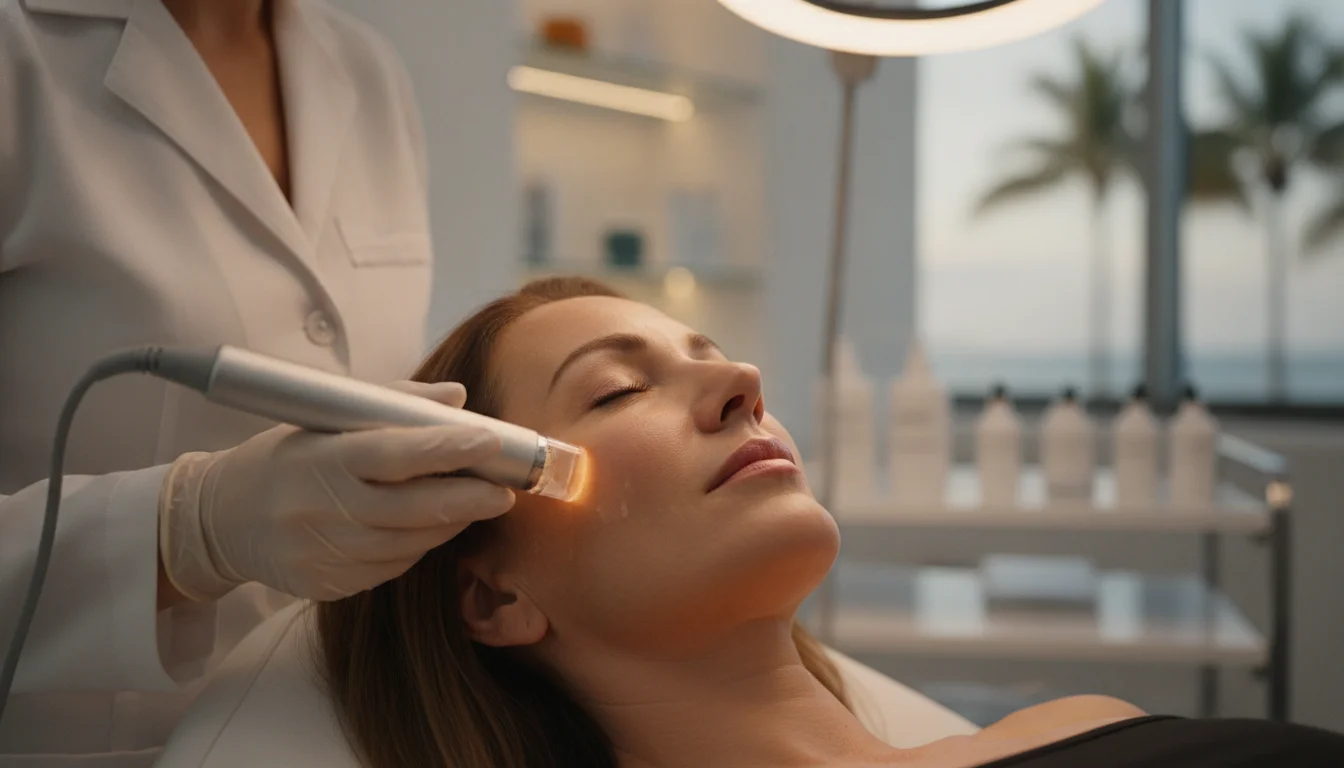
Step 3: Delivery. Exosomes are most commonly delivered through microneedling, which creates controlled micro-channels in the skin — typically at depths of 0.5 to 2.0 millimeters — allowing the exosomes to penetrate the dermis where they can interact with fibroblasts, stem cells, and other target cells. The exosome solution is applied topically during the microneedling pass so it is drawn into the channels as they are created.
The procedure typically takes 30 to 60 minutes depending on the size of the treatment area. Some providers also use iontophoresis, sonophoresis, or direct intradermal injection as alternative delivery methods.
Step 4: Aftercare. Immediately after treatment, the skin typically appears red and may feel warm — similar to a mild sunburn. This resolves within a few hours to a day. Patients are advised to:
- Avoid sun exposure and wear SPF 30+ mineral sunscreen for at least one week
- Avoid harsh skincare products (retinoids, acids, exfoliants) for 3 to 5 days
- Use only gentle, fragrance-free cleansers and moisturizers
- Avoid vigorous exercise and sweating for 24 to 48 hours
- Drink plenty of water to support the skin’s recovery
Step 5: Recovery and results. Downtime is minimal. Most patients return to normal activities, including work, the next day. Some mild redness or pinpoint marks from microneedling may persist for 24 to 48 hours and can be covered with mineral makeup.
Initial improvements in skin hydration and texture may be noticeable within the first week. More significant changes in firmness, fine lines, and overall skin quality develop over the following weeks to months as collagen remodeling occurs. The full effect is typically visible 8 to 12 weeks after the final treatment session.
Number of sessions. Most providers recommend an initial series of 2 to 4 treatments spaced 3 to 4 weeks apart, followed by maintenance sessions every 6 to 12 months. A maintenance schedule helps sustain the collagen-supporting effects of treatment.
Schedule Your Consultation at Miami Stem Cell
Our treatments are out-of-pocket and not covered by insurance.
How to Choose a Provider for Exosome Skin Treatments
Not all exosome treatments are created equal, and provider selection matters significantly for both safety and results. Here are key factors to consider when choosing where to receive exosome therapy for your face and skin.
Source and quality of exosomes. Ask where the exosomes come from and request information about their characterization and testing. The most studied exosomes in regenerative medicine are derived from mesenchymal stem cells sourced from ethically donated, screened human umbilical cord tissue. These exosomes should be tested for purity, potency, sterility, and endotoxin levels. Avoid providers who cannot tell you the specific source of their exosomes or who use products without documented quality controls.
Medical supervision. Exosome treatments should be performed by or under the direct supervision of a licensed medical professional with training in regenerative aesthetics. This is not a service for unlicensed medi-spas or aestheticians operating without medical oversight.
Experience and track record. Look for a provider with documented experience in regenerative medicine, not just general aesthetics. How many procedures have they performed? Do they have patient testimonials, published before-and-after evidence, or case studies? A provider who has been in the field for years is better positioned to assess your candidacy and manage your treatment.
Regulatory compliance. Reputable providers operate within FDA guidelines for regenerative medicine. They use exosomes as part of a professional medical practice within an established regulatory framework, not as unregulated standalone products marketed with unsubstantiated claims.
Comprehensive assessment. The best providers do not sell a single treatment for everyone. They assess your overall health, skin condition, medical history, and goals to determine whether exosome therapy is appropriate for you or whether another approach would be more beneficial.
Honest communication about expected results. A provider who guarantees dramatic results or claims exosomes can replace a facelift should raise a red flag. Ethical providers explain both what exosomes can realistically achieve and what they cannot.
Miami Stem Cell has been a leader in regenerative medicine in South Florida since 2009, with over 8,500 procedures performed and a dedicated medical team. We can help you determine whether exosome therapy is right for your aesthetic goals.
Explore Our Stem Cell Therapies
Frequently Asked Questions About Exosomes for Face
Are exosomes FDA approved for facial rejuvenation?
Exosomes as a biologic product are not FDA approved specifically for cosmetic facial rejuvenation. However, they are used as part of a medical professional’s practice under FDA guidelines for regenerative medicine. Your provider should explain the regulatory framework and what it means for your treatment. Miami Stem Cell operates with full regulatory compliance and provides transparent information about our protocols.
How long do results from exosome facial treatments last?
Results vary by individual based on age, skin condition, lifestyle, and the number of treatment sessions. Many patients enjoy visible benefits for 6 to 12 months or longer with maintenance treatments. Factors such as sun exposure, smoking, and skincare routine affect how long results last.
Is exosome therapy painful?
Most patients describe the sensation as mild to moderate discomfort, similar to light sandpaper being moved across the skin. A topical numbing agent is applied for 20 to 30 minutes before treatment to ensure comfort. The microneedling device used for delivery is calibrated for patient comfort, and the procedure is well-tolerated by nearly all patients.
How many exosome treatments do I need?
Most providers recommend an initial series of 2 to 4 treatments spaced 3 to 4 weeks apart. Your provider will adjust your treatment plan based on how your skin responds and what goals you are working toward. After the initial series, maintenance sessions every 6 to 12 months help sustain results.
Can exosomes be combined with other treatments?
Yes. Exosomes are frequently combined with microneedling (the most common delivery method), PRP (platelet-rich plasma), fractional laser treatments, chemical peels, and radiofrequency microneedling. Your provider will advise on the best combination and timing for your specific concerns, taking into account appropriate spacing between different procedures to avoid over-treating the skin.
Who is a good candidate for exosome facial treatments?
Good candidates are generally healthy adults looking to improve skin texture, tone, firmness, and visible signs of aging without surgery or significant downtime. Pregnant or nursing women, individuals with active skin infections or open wounds in the treatment area, those with certain autoimmune conditions, and individuals with a history of keloid scarring may not be suitable candidates. A thorough medical evaluation is essential before treatment.
What is the difference between exosomes and PRP for the face?
PRP (platelet-rich plasma) uses your own blood platelets concentrated to deliver growth factors. It is autologous (from your own body) and requires a blood draw. Exosomes are purified, characterized products derived from screened mesenchymal stem cell cultures. They contain a broader range of signaling molecules, including microRNAs and regulatory proteins not found in PRP. Some advanced protocols combine both approaches for a synergistic effect.
Are there any side effects of exosome facial treatments?
Side effects are generally mild and temporary. The most common include redness, slight swelling, and mild tenderness in the treated area for 24 to 48 hours. Bruising from microneedling is possible but uncommon. Serious adverse events are rare when treatment is performed by a qualified provider using properly sourced and tested exosome products.
Book a Free Consultation Today Call 305.598.7777
Our treatments are out-of-pocket and not covered by insurance.