If you have been researching regenerative medicine, you have likely encountered the term “Muse cells.” These cells represent one of the most intriguing discoveries in stem cell biology of the past two decades. But what exactly are Muse cells, and why are they generating so much attention among researchers and clinicians?
Muse cells, or Multilineage-differentiating Stress-Enduring cells, are a naturally occurring population of repair cells present in your body right now. First identified in 2010 by Dr. Mari Dezawa at Tohoku University in Japan, these cells have distinct properties that set them apart from other stem cell types. This guide explains what Muse cells are, how they work, and what the science actually says.
What Does MUSE Stand For?
The acronym MUSE stands for Multilineage-differentiating Stress-Enduring. Each part of the name describes a key characteristic:
- Multilineage-differentiating: The cells can develop into multiple cell types across all three germ layers (ectoderm, mesoderm, and endoderm). This means they have the potential to become nerve cells, muscle cells, liver cells, and more.
- Stress-Enduring: These cells survive under harsh conditions that would kill most other cells. They were discovered precisely because of this resilience — they survived extreme cellular stress that destroyed the surrounding cell population.
Who Discovered Muse Cells?
Muse cells were discovered by Dr. Mari Dezawa, MD, PhD, Professor and Chair of the Division of Stem Cell Biology and Histology at Tohoku University Graduate School of Medicine in Sendai, Japan. The discovery happened somewhat by accident in 2003 when a laboratory technician asked whether a batch of severely stressed mesenchymal stem cell cultures should be discarded. Dr. Dezawa examined them more closely and noticed that a small number of cells had survived. Seven years of characterization followed before the findings were published in the Proceedings of the National Academy of Sciences (PNAS) in 2010.
Where Are Muse Cells Found?
Muse cells are endogenous — meaning they occur naturally in your body. They have been identified in bone marrow, peripheral blood, connective tissue of various organs, adipose (fat) tissue, skin, and umbilical cord tissue.
In a standard mesenchymal stem cell (MSC) population, Muse cells represent roughly 1 to 5 percent of the total cells. This rarity is why enriched Muse cell products cost more to manufacture — isolating the SSEA-3-positive fraction under cleanroom conditions is significantly more complex than culturing bulk MSCs.
Are Muse Cells Pluripotent?
The scientific literature describes Muse cells as pluripotent-like rather than fully pluripotent. They have differentiated into cells of all three embryonic germ layers in published studies. However, unlike true pluripotent cells (such as embryonic stem cells), Muse cells have not been observed forming teratomas — a type of tumor that pluripotent cells can produce. This distinction is clinically meaningful: it suggests Muse cells may offer broad differentiation potential without the same tumor risk.
How Do Muse Cells Work?
Muse cells have several unique mechanisms that distinguish them from other stem cell types:
Spontaneous Homing to Injury
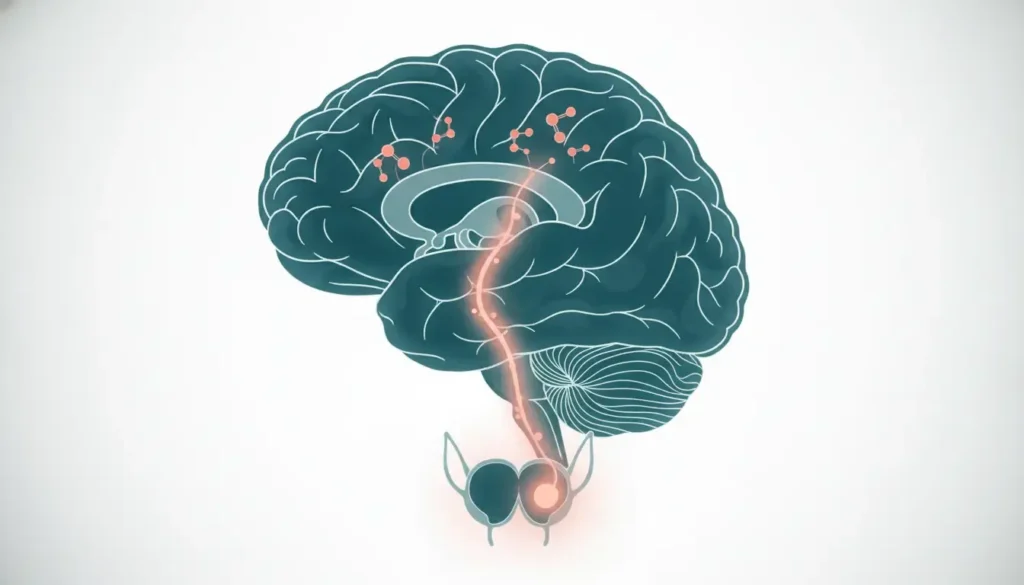
Muse cells naturally migrate to damaged tissue through sphingosine-1-phosphate (S1P) signaling. When tissue is injured, it releases signals that attract Muse cells to the site of damage. This homing ability means Muse cells can travel through the bloodstream and find injured areas without requiring direct injection into the site.
Differentiation Into Tissue-Specific Cells
Once at the site of injury, Muse cells can differentiate into the specific cell types needed for repair. For example, in heart tissue they can become cardiomyocytes; in neural tissue they can adopt neuronal characteristics.
Immunomodulation
Like MSCs, Muse cells also modulate the immune response, reducing inflammation and creating a more favorable environment for healing. However, their unique stress-endurance and homing capabilities add layers of therapeutic potential that bulk MSCs do not possess.
Muse Cells vs. MSCs: Key Differences
Muse cells are not an alternative to MSCs — they are a subset found within MSC populations. Key differences include differentiation breadth (pluripotent-like vs. multipotent), homing ability (self-migrate via S1P vs. limited), stress survival (very high vs. moderate), and primary mechanism (integration plus signaling vs. primarily paracrine signaling). Importantly, no head-to-head human trial has shown that Muse cell preparations produce better outcomes than standard MSC therapy for any condition.
Current Research and Clinical Trials
The most studied Muse cell product is CL2020, manufactured by Life Science Institute, Inc. (Mitsubishi Chemical Group) in Japan. Clinical trials have been completed or are underway for acute myocardial infarction, subacute ischemic stroke, epidermolysis bullosa, ALS, cervical spinal cord injury, and neonatal hypoxic-ischemic encephalopathy.
A randomized, placebo-controlled stroke trial (Niizuma et al., 2023) showed a 40.0% responder rate with CL2020 vs. 10.0% with placebo at 12 weeks on the mRS scale. An ALS study (Yamashita et al., 2023) found treatment was well tolerated but did not show statistically significant functional benefit. These trials used donor Muse cells without HLA matching and without immunosuppression.
Safety Profile
No tumor or teratoma formation has been reported across published Muse cell studies. Human trials administered donor cells without HLA-matching tests and without immunosuppression, and treatment was well tolerated. However, long-term safety data in large populations does not exist yet, and safety findings for specific studied products do not automatically transfer to other preparations.
Is Muse Cell Therapy FDA Approved?
No. Muse cell products are investigational and have not been approved by the FDA to diagnose, treat, cure, or prevent any disease. Any clinical use is at the sole discretion of a licensed healthcare provider and must comply with all applicable laws. Florida law (SB 1768) establishes additional requirements for clinics offering stem cell treatments.
How Much Does Muse Cell Therapy Cost?
Publicly advertised pricing ranges from roughly $3,000 to over $50,000, depending on cell source, enrichment, dose, number of infusions, and what is bundled. Insurance does not cover Muse cell therapy.
Ready to discuss whether Muse cell therapy is right for your condition? Our team provides transparent, evidence-based guidance.
Frequently Asked Questions
Are Muse cells the same as stem cells?
Muse cells are a specific type of stem cell — a rare subset found within mesenchymal stem cell populations. They have unique properties including stress endurance and spontaneous homing to injury sites.
Do Muse cells cause tumors?
No tumor or teratoma formation has been reported across published Muse cell studies. Unlike embryonic stem cells and iPSCs, Muse cells have not shown tumorigenic potential in the research conducted to date.
Is it spelled Dezawa or Dazawa?
The correct spelling is Dezawa. “Dazawa” and “Desawa” are common phonetic misspellings. Both refer to the same researcher at Tohoku University.
Where can I get Muse cell therapy?
Miami Stem Cell is an authorized provider of Dezawa Muse Cells. Contact our team to learn more about treatment options and candidacy.