Dealing with chronic pain or an old injury can feel like a frustrating cycle. You try treatments like cortisone shots that offer temporary relief, only for the pain to return. PRP therapy offers a different path. Instead of just masking symptoms, it helps your body actually repair the damage from the inside out. When you consider the PRP injection cost, it’s helpful to see it not as an expense, but as an investment in breaking that cycle for good. This is about choosing a lasting solution over a temporary fix, and we’ll explore why it can be a more sustainable choice for your health.
Key Takeaways
- PRP harnesses your body’s own healing power: The treatment uses a concentrated sample of your own blood platelets to repair tissue and address the root cause of pain or injury, making it a safe and minimally invasive option.
- Understand the investment in your health: The cost of PRP is not typically covered by insurance and reflects key factors like your provider’s expertise and the quality of the equipment used—both of which are crucial for effective results.
- A thorough consultation is your most important step: Your results are directly tied to your provider’s skill, so use your initial meeting to ask detailed questions about their experience, the treatment plan, and the total cost to ensure you’re making a confident choice.
What Is PRP and How Does It Work?
If you’re looking for a way to heal from an injury or manage chronic pain without surgery, you’ve likely come across Platelet-Rich Plasma (PRP) therapy. It’s a treatment that’s gained a lot of attention, and for good reason. At its core, PRP therapy is a form of regenerative medicine that uses the healing power of your own body to repair damaged tissue. Think of it as giving your natural healing abilities a concentrated boost. The process itself is straightforward and is performed right in our clinic. We start by drawing a small sample of your blood, similar to a routine blood test.
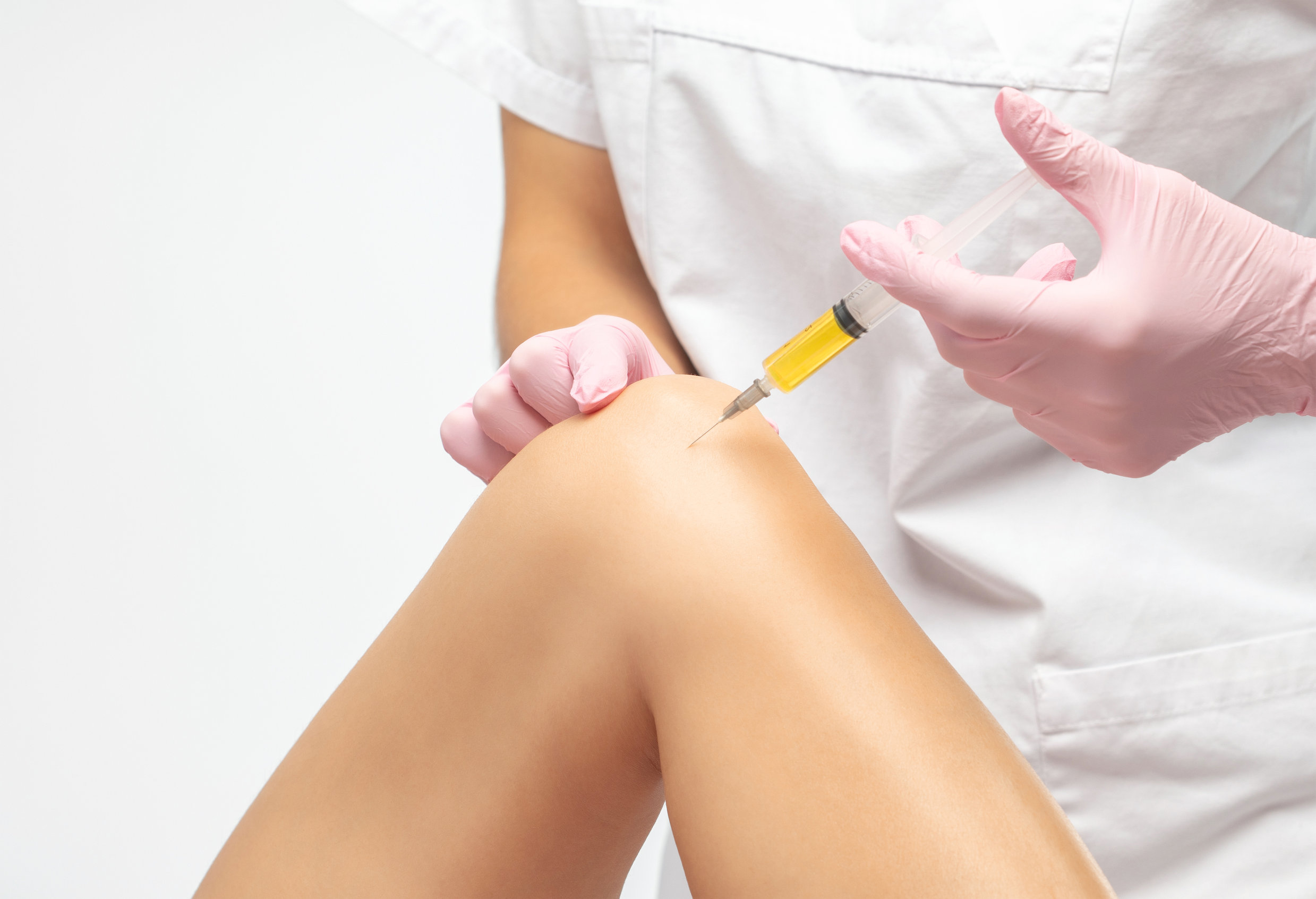
That sample is then placed in a centrifuge, a machine that spins at high speed to separate the blood into its different components. This spinning process isolates the platelets and concentrates them in a small amount of plasma. This resulting “platelet-rich plasma” is a powerful healing agent, packed with a high concentration of growth factors—the proteins that act as messengers, telling your cells to start rebuilding. The PRP is then carefully injected directly into the injured or affected area, whether it’s a knee joint with arthritis, a damaged tendon, or the scalp to encourage hair growth. By delivering a potent dose of your body’s natural healers right where they’re needed most, PRP injections can accelerate recovery and help restore function. It’s a precise, minimally invasive approach designed to work with your body, not against it.
How PRP Helps Your Body Heal Itself
Your body has an incredible, built-in system for healing itself. When you get a cut, platelets rush to the scene to stop the bleeding and release growth factors that signal your cells to start rebuilding. PRP therapy harnesses this exact process and amplifies it. By injecting a concentrated dose of platelets directly into an area of chronic injury or degeneration, we’re essentially calling in reinforcements to kickstart a stalled or sluggish healing response. These growth factors stimulate the production of new collagen, encourage the formation of new blood vessels, and attract other healing cells to the area. Instead of just masking pain with medication, this treatment helps rebuild and repair the underlying cause of the problem. It’s a way of prompting your body to do what it does best, just more efficiently, leading to reduced inflammation, less pain, and stronger, healthier tissue over time.
What Can PRP Injections Treat?
Because PRP therapy is so versatile, it’s used to address a wide range of issues throughout the body. It’s become a popular option for musculoskeletal conditions that haven’t responded to traditional treatments. This includes chronic tendon injuries like tennis elbow and Achilles tendinitis, as well as ligament and muscle sprains. For those dealing with joint pain from osteoarthritis, PRP can help reduce inflammation and improve function in the knees, hips, and shoulders. Beyond orthopedics, PRP has shown remarkable results in aesthetics and wellness. It’s one of the most effective non-surgical treatments for hair restoration, as the growth factors can stimulate dormant hair follicles to promote new growth. It’s also used for facial rejuvenation and to address sexual wellness concerns in both men and women. This broad applicability makes it a cornerstone of modern regenerative medicine.
Treating Chronic Pain and Aiding Surgical Recovery
If you’re dealing with chronic pain or want to heal more effectively after surgery, PRP therapy offers a powerful alternative to just managing symptoms. Instead of quieting the pain temporarily, this treatment gets to the heart of the issue by using a concentrated dose of your own platelets to repair damaged tissue from the inside out. This regenerative approach helps your body rebuild the underlying cause of the problem, which can lead to less inflammation, reduced pain, and stronger, healthier tissue over time. It’s an effective tool for anyone seeking lasting relief from nagging injuries and a way to support the body’s natural healing process, especially when traditional methods haven’t provided the solution you need for effective pain management.
This therapy has shown great results for a variety of musculoskeletal conditions that often don’t respond well to other treatments. It’s particularly effective for issues like mild knee arthritis, rotator cuff injuries, tennis elbow, Achilles tendonitis, and common ligament sprains. By stimulating your body’s innate healing capabilities, PRP can help you get back to your life with more strength and less pain. When you consider your options, it’s helpful to see PRP not just as a cost, but as an investment in your long-term health and mobility. The quality of the treatment and the expertise of your provider are key to achieving the best results, making it a worthwhile step toward sustainable wellness.
What Results Can You Expect from PRP?
One of the biggest advantages of PRP therapy is its excellent safety profile. Because the injections are created from your own blood, the risk of an allergic reaction or rejection is virtually nonexistent. It’s a natural treatment that avoids the need for synthetic substances or invasive surgery, which means minimal downtime. Most people can return to their normal activities shortly after the procedure. The goal of PRP is long-term healing and pain relief. While it’s not an instant fix, many patients begin to notice a gradual reduction in pain and an improvement in function in the weeks following treatment. The results are designed to be lasting, as the therapy helps your body truly repair the damaged tissue. Our patients often report not only feeling better but also being able to return to the activities they love, which you can see in their personal stories.
Timeline for Seeing Results
Patience is key when it comes to regenerative medicine because true healing happens at a cellular level. Unlike treatments that offer immediate but temporary symptom relief, PRP therapy works by stimulating your body’s natural repair processes, which takes time. You shouldn’t expect to walk out of the clinic feeling brand new. Instead, the improvements are gradual. For joint or tendon issues, it can take several weeks to start noticing a significant reduction in pain and an increase in mobility. When it comes to hair restoration, the timeline is a bit longer, as it can take up to six months to see noticeable new growth. This gradual progress is a sign that the treatment is working to rebuild and strengthen tissue from the inside out, creating a foundation for lasting results.
How Long Do PRP Results Last?
Once the healing process is underway, the results from PRP therapy are designed to be durable. Because the treatment addresses the underlying cause of the issue rather than just masking symptoms, many people experience benefits for six to nine months, and sometimes even longer. The exact duration depends on several factors, including the specific condition being treated, your body’s unique healing response, and your overall health. For some chronic conditions, a series of treatments or occasional maintenance sessions may be recommended to sustain the effects. This approach represents a long-term investment in your health, potentially helping you avoid more invasive and expensive procedures down the road by focusing on genuine tissue regeneration and repair.
How Much Do PRP Injections Cost?
When you’re considering a treatment like PRP, one of the first questions that comes to mind is, “What’s the investment?” Understanding the cost is a key part of planning your health journey. While the price of PRP injections can vary, it’s helpful to have a clear picture of the factors that influence the final cost. Think of it not as a simple expense, but as an investment in your body’s natural healing ability and long-term wellness. Here’s a breakdown of what you can expect financially, so you can make an informed decision that feels right for you.
Breaking Down the Cost by Treatment Area
A single PRP injection typically costs between $500 and $2,500, with the average falling around $630. The final price often depends on the area being treated and the complexity of the procedure. For example, a session for hair restoration may have a different cost than injections for knee or joint pain. The amount of PRP needed and the precision required for the injection site are key factors. During your initial consultation, you’ll receive a precise quote based on your personalized treatment plan, so you know exactly what to expect.
Does Your City Change the Price of PRP?
Just like with many other professional services, your geographic location plays a role in PRP pricing. Clinics in major cities often have higher operational costs, which can be reflected in their fees. While it’s smart to be aware of the general rates in your area, it’s crucial to prioritize the provider’s expertise and the clinic’s quality over finding the lowest price. Your safety and results are what matter most, and a highly-qualified team is essential for a successful outcome. Choosing a reputable clinic ensures you receive the highest standard of care.
Will Insurance Cover Your PRP Injection Cost?
This is one of the most common questions we hear, and it’s important to be direct: most insurance companies do not cover PRP therapy. Because it’s often categorized as an elective or regenerative treatment, it typically isn’t included in standard health plans. We always recommend you call your insurance provider to confirm their specific policy, but it’s wise to plan for this as an out-of-pocket expense. This allows you to focus on choosing the best possible provider for your needs, rather than being limited by insurance networks. You can find more answers on our FAQs page.
Why PRP Is Often Considered “Investigational”
You might hear insurance companies refer to PRP therapy as “investigational,” and it’s helpful to understand what that term means in this context. It doesn’t imply that the treatment is unsafe or experimental in a clinical sense. Instead, it’s an administrative classification used by insurers. This label means they believe more large-scale, long-term research is needed before they will add it to their list of covered procedures. Even though countless physicians have seen positive results and the treatment has a strong safety record, the insurance industry moves cautiously. This means that while regenerative treatments like PRP therapy are becoming a go-to for proactive health management, insurance coverage is simply lagging behind the clinical application and patient success stories.
The Challenge of Medical Billing Codes
Beyond the “investigational” label, there’s a practical, logistical reason why insurance rarely covers PRP: medical billing codes. For an insurance company to pay for any medical procedure, it must have a specific billing code assigned to it. This code is how doctors and clinics communicate with insurers about the services provided. Currently, PRP therapy does not have a dedicated, reimbursable billing code for most of the conditions it treats. Without this specific code, there is no clear pathway for an insurance company to process the claim. This is a systemic issue within the insurance framework and not a reflection on the therapy’s effectiveness. It’s one of the main reasons why PRP is typically paid for directly by the patient, allowing you to invest in your healing without waiting for administrative systems to catch up.
Do You Need More Than One Treatment?
PRP isn’t always a one-and-done treatment. Depending on your specific condition and how your body responds, you might need a series of injections to achieve optimal, long-lasting results. For chronic issues like arthritis or significant hair loss, a comprehensive treatment plan could involve two or three sessions spaced several weeks or months apart. Your doctor will outline a recommended schedule during your initial consultation. This approach ensures you understand the full scope of the treatment and can budget for the total cost from the start.
How to Pay for Your PRP Treatment
Investing in your health is one of the most important decisions you can make, and many clinics offer ways to make it more manageable. Don’t let the initial cost deter you from exploring your options. Most reputable providers offer flexible payment plans or work with third-party financing companies to make treatments more accessible. When you schedule a consultation, be sure to ask about the available payment options. This conversation allows you to find a financial solution that fits your budget, so you can move forward with confidence.
Using Your HSA or FSA for PRP
Since PRP therapy is typically an out-of-pocket expense, it’s smart to explore all your payment avenues. If you have a Health Savings Account (HSA) or a Flexible Spending Account (FSA), you may be able to use those pre-tax funds to cover the cost of your treatment. This is a fantastic way to make your care more affordable, as you’re using money that hasn’t been taxed. Before moving forward, it’s essential to check with your HSA or FSA administrator to confirm that PRP is considered a qualified medical expense under your specific plan. Policies can vary, so a quick call can give you the clarity you need. Our team is also here to provide any necessary documentation to help you with this process, ensuring you can make the most of your health benefits.
What Determines the Cost of PRP Injections?
When you start looking into Platelet-Rich Plasma (PRP) therapy, you’ll quickly notice that the price isn’t set in stone. The cost can vary quite a bit, and it’s helpful to understand what you’re paying for. The final price tag is a reflection of several important elements that contribute to the safety and effectiveness of your treatment. From the doctor’s experience to the technology used in the clinic, each factor plays a role in the overall investment in your health. Let’s break down the key components that shape the cost of PRP injections.
How Your Doctor’s Experience Affects the Price
The experience of the person administering your injection is one of the most significant factors. A highly skilled physician with specialized training in regenerative medicine will naturally command a higher fee than a less experienced practitioner. While it might be tempting to go for the lowest price, remember that expertise is directly linked to your results and safety. More experienced doctors often have a deeper understanding of the precise injection techniques required for different conditions, which can lead to better outcomes. You’re not just paying for the injection; you’re investing in the knowledge and skill of a trusted medical team.
How Your Specific Needs Impact the Cost
The nature of your condition and the area being treated also play a major role in the cost. A single PRP injection for mild knee arthritis, for example, will likely cost less than a multi-faceted treatment plan for significant hair loss or a complex spinal issue. Some conditions require a series of injections spaced out over several months to achieve the best results, which will increase the total cost. The amount of PRP needed and the precision required for the injection also influence the price. A detailed consultation will help clarify the specific protocol your condition requires and its associated cost.
Does Clinic Quality Influence the Price Tag?
Not all PRP is created equal. The quality of the equipment used to process your blood directly impacts the concentration of platelets in the final injection, which is crucial for healing. High-end, medical-grade centrifuges and specialized PRP kits are more effective at isolating platelets and growth factors. Clinics that invest in superior technology may have higher prices, but this investment often translates to better results and potentially fewer treatments needed over time. When considering PRP therapy, it’s always a good idea to ask about the type of system the clinic uses.
The Role of Preparation Methods
The way your blood is processed is a critical step that directly influences the effectiveness of your treatment. A more advanced preparation method, such as a “double spin” process in the centrifuge, results in a higher concentration of platelets and healing growth factors. This creates a more potent PRP solution, which can lead to a more robust healing response. While clinics using these superior methods may have a higher cost, it’s because they are delivering a higher quality product. This investment in advanced preparation ensures that the PRP injected into your body has the best possible chance of successfully repairing tissue and reducing pain, making it a crucial factor in your overall outcome.
Why Imaging Guidance Is Key for Precision
For PRP therapy to be effective, the injection must be delivered to the precise location of the injury. Hitting the exact spot—whether it’s a tiny tear in a tendon or a specific area within a joint—is essential for healing. That’s why clinics committed to the best outcomes use advanced imaging, like ultrasound, to guide the needle in real-time. This technology allows the physician to see exactly where the PRP is being placed, ensuring it reaches the damaged tissue that needs it most. Injections performed without this guidance are essentially “blind,” which increases the risk of missing the target and compromising the treatment’s effectiveness. Paying for imaging guidance is an investment in accuracy and a much higher probability of successful pain management.
Are There Any Hidden Costs to Consider?
To get a clear picture of the total cost, you need to know what’s included in the quoted price. Some clinics offer an all-inclusive price that covers the initial consultation, the procedure itself, and any necessary imaging guidance, like ultrasound, to ensure the injection is placed accurately. Other clinics might bill for these items separately. Don’t hesitate to ask for a detailed breakdown of all potential charges upfront. This transparency helps you avoid surprises and allows you to compare different providers accurately. You can often find answers to these types of questions on a clinic’s FAQ page.
Factoring in Before-and-After Care Costs
A successful PRP treatment doesn’t end when you leave the clinic. The overall cost should account for the entire journey, including any necessary aftercare. For many joint and muscle injuries, a course of physical therapy is essential to regain strength, flexibility, and function. While your health insurance may cover physical therapy, it’s an important part of the financial equation. Follow-up appointments to monitor your progress are also key. Discussing the complete treatment plan with your provider will give you a comprehensive understanding of the long-term investment in your recovery.
Your Step-by-Step Guide to PRP Injections
Knowing what to expect can make any new medical treatment feel more approachable. Platelet-Rich Plasma (PRP) therapy is a straightforward process that uses your body’s own healing abilities to repair and rejuvenate tissue. From your first conversation with a specialist to your final follow-up, the journey is designed to be clear and supportive. Here’s a simple breakdown of the entire process, so you can feel confident and prepared every step of the way.
Step 1: Your First Consultation
Your journey begins with a one-on-one consultation. This is a crucial first step where your doctor will review your medical history and discuss your health goals to see if PRP therapy is the right fit for you. Think of this as a collaborative meeting—it’s your opportunity to ask questions and our chance to create a personalized treatment plan. We’ll go over everything from the specifics of the procedure to what kind of results you can anticipate. A thorough initial consultation ensures that you are a good candidate and that the treatment is tailored to address your specific concerns, whether it’s for joint pain, hair loss, or skin rejuvenation.
Step 2: How to Prepare for Your Appointment
Once you’re scheduled for treatment, we’ll give you a short list of simple guidelines to follow. To ensure the best possible outcome, you may be asked to stop taking anti-inflammatory medications or blood thinners for a short period before your appointment. It’s also a good idea to drink plenty of water and have a meal before you come in. These small preparations help your body respond optimally to the treatment. We will provide you with clear, easy-to-follow instructions, so you’ll know exactly what to do to get ready for your procedure.
Step 3: What Happens on Treatment Day
On the day of your treatment, the process is quick and simple. First, a small amount of your blood is drawn, just like a standard blood test. This sample is then placed in a centrifuge, a machine that spins at high speed to separate and concentrate the platelets, creating the platelet-rich plasma. This golden, healing liquid is then carefully injected into the targeted area. The entire PRP therapy procedure is performed in our clinic and typically takes less than an hour, allowing you to get back to your day with minimal interruption.
Step 4: What to Expect During Recovery
After your PRP injection, the recovery process is generally mild. You may be advised to rest the treated area for a day or two and avoid strenuous activity for a short period. Unlike surgery, there is no significant downtime. Most people can resume their normal daily activities within a few days, though the exact recovery timeline can vary depending on the area treated and your body’s individual healing response. Your doctor will provide specific post-treatment instructions to support your recovery and help you achieve the best results. Following these guidelines is key to a smooth and effective healing process.
Step 5: Aftercare and Maintaining Results
Your care doesn’t end when you leave the clinic. We’ll schedule a follow-up appointment, usually around six weeks after your injection, to check on your progress. This visit allows us to assess how your body is responding to the treatment and discuss the results you’re experiencing. Depending on your goals and the condition being treated, we may recommend additional sessions to achieve the optimal outcome. This follow-up care is an important part of the process, ensuring you receive the long-term benefits of PRP and feel supported throughout your wellness journey.
Specific Aftercare for Joint Injections
If you’ve had PRP for joint pain, your aftercare is focused on giving the area a chance to heal properly. Depending on the joint we’ve treated, you might need to avoid heavy exercise or putting significant weight on the area for a few days to a week. Think of it as giving your body a head start on the repair process. The recovery is generally mild, and unlike surgery, there is no major downtime. We’ll provide you with a clear, personalized plan to follow, ensuring you protect the joint while the growth factors get to work, which is a crucial step for successful joint regeneration.
Specific Aftercare for Hair Restoration
Aftercare for PRP hair treatments is a little different but just as straightforward. Your main goal will be to protect your scalp while it’s sensitive. We’ll give you specific instructions, which typically include avoiding direct sun exposure and certain harsh hair products for a few days following your session. This simple step helps prevent irritation and allows the growth factors to stimulate your hair follicles without any interference. Following these guidelines is key to a smooth healing process and is essential for achieving the best possible results from your hair restoration treatment.
Is PRP the Right Choice for You?
Deciding on any medical treatment is a personal choice that goes beyond the price tag. It’s about finding a solution that aligns with your health goals, lifestyle, and long-term well-being. If you’re exploring regenerative options, you’re likely looking for a therapy that does more than just mask symptoms. You want real, lasting healing. Platelet-Rich Plasma (PRP) therapy is a powerful treatment that uses your body’s own growth factors to repair damage at the source. Let’s walk through the key considerations to help you determine if it’s the right path for you.
Is the Cost of PRP Worth It in the Long Run?
When you look at the cost of PRP, it’s helpful to think of it as an investment in your future health. While the upfront cost might be higher than a conventional treatment like a steroid injection, PRP is designed to promote actual tissue repair, not just temporary relief. This can mean fewer doctor visits, less reliance on pain medication, and potentially avoiding costly and invasive surgeries down the road. By addressing the root cause of your pain or injury, PRP can offer a more sustainable and cost-effective solution over time, helping you get back to the life you want to live.
PRP vs. Other Options: A Cost Comparison
Traditional treatments for joint pain or injuries often involve managing symptoms with medication or resorting to surgery. Cortisone shots, for example, can provide quick relief but may have side effects and don’t heal the underlying issue. Surgery comes with significant costs, long recovery times, and inherent risks. PRP offers a different approach. It’s a minimally invasive procedure that supports your body’s natural healing cascade. For conditions like arthritis or soft tissue injuries, PRP can be a game-changing alternative that helps you sidestep the drawbacks of more conventional methods and achieve more meaningful, long-term results.
How to Find a Qualified Provider
The success of your PRP treatment depends heavily on the skill of your provider and the quality of the clinic. A reputable clinic will be transparent about pricing and provide a personalized treatment plan tailored to your specific needs. Look for a team of experienced doctors who use advanced equipment and techniques, including imaging guidance for precise injections. The right provider will take the time to thoroughly evaluate your condition, discuss all your options, and clearly explain the benefits and costs. This ensures you receive the highest standard of care and the best possible outcome from your treatment.
What to Ask Your Doctor Before Getting PRP
Your initial consultation is the perfect time to get all your questions answered and feel confident in your decision. Don’t hesitate to ask about the provider’s experience with your specific condition and what kind of results you can realistically expect.
Here are a few key questions to bring with you:
- Am I a good candidate for PRP therapy?
- What does the entire treatment process involve?
- How many sessions will I likely need?
- What is the total cost, and are there any financing options available?
- What is the recovery process like?
A great provider will welcome your questions and provide clear, honest answers. Ready to start the conversation? You can schedule a consultation to discuss your personal health goals.
Who Should Avoid PRP Injections?
While PRP therapy is incredibly safe because it uses your own blood, it’s not the right choice for every person. Certain health conditions can interfere with the healing process or make the treatment less effective. Generally, you should avoid PRP if you have an active infection, a metastatic disease, or certain blood and bleeding disorders. Because the treatment relies on the health of your own platelets, conditions like anemia or a low platelet count can hinder the results. It’s also important to be transparent about your full medical history, as your overall health plays a big role in your body’s ability to heal. This is why a thorough consultation is so important—it’s our opportunity to ensure you are a great candidate for the procedure and are set up for a successful outcome.
How Safe Is PRP and What Are the Success Rates?
One of the biggest advantages of PRP therapy is its excellent safety profile. Because the treatment uses a concentrate of your own blood, the risk of allergic reactions or adverse side effects is extremely low. Most patients experience only minor, temporary discomfort, such as soreness or bruising at the injection site. While success rates can vary depending on the individual and the condition being treated, PRP has been shown to be highly effective for a wide range of musculoskeletal and aesthetic concerns. During your consultation, your doctor can discuss the expected outcomes for your specific situation based on clinical evidence and their professional experience.
Understanding the Specific Risks and Side Effects
While PRP is known for being incredibly safe, it’s still a medical procedure, so it’s good to know about potential side effects. The most common ones are mild and temporary—think soreness, swelling, or bruising right at the injection site, which usually fades within a few days. Since the treatment uses your own blood, there’s virtually no risk of an allergic reaction. More serious complications like infection, bleeding, or nerve damage are very rare, especially when your treatment is performed by a skilled professional in a sterile environment. Choosing an experienced medical team is the best way to ensure your procedure is both safe and effective, allowing you to focus on the healing ahead.
Related Articles
- Rotator Cuff Tears – Stem Cell Therapy | Miami Stem Cell
- Spine & Neck Pain Relief | Stem Cell & PRP Treatments Miami
- Wrist, Hand & Finger Pain Relief | StemCellMIA
- Stem Cell Therapy for Neck & Cervical Pain | Miami Stem Cell
- Tendinitis & Tenosynovitis Relief with Regenerative Therapy | Miami Stem Cell
Frequently Asked Questions
Is the PRP injection painful? This is a very common question, and it’s completely understandable to be concerned about comfort. We take every step to make the procedure as easy as possible. A local anesthetic is typically used to numb the treatment area before the injection. While you might feel some pressure during the injection itself, most people find it very manageable. It’s normal to experience some mild soreness and swelling at the injection site for a few days afterward, similar to how a muscle feels after a tough workout.
How quickly will I see results from PRP? PRP therapy works by supporting your body’s natural, gradual healing process, so the results don’t appear overnight. It takes time for your cells to respond to the growth factors and begin repairing tissue. Most people start to notice a meaningful reduction in pain and an improvement in function within four to six weeks after their treatment. The full benefits often continue to develop over the following months as the tissue gets stronger and healthier.
How long do the benefits of PRP therapy last? Because PRP helps your body actually heal the source of the problem instead of just masking the symptoms, the results are designed to be long-lasting. For many conditions, patients experience relief for a year or even longer. The durability of the results can depend on the specific condition being treated, its severity, and your individual health. Following your post-treatment care plan is a great way to support and extend the benefits.
What is the recovery like after a PRP injection? One of the best parts of PRP therapy is that there is very little downtime. We usually advise you to take it easy and rest the treated area for the first 24 to 48 hours. You’ll also need to avoid strenuous activities for a short period, based on your doctor’s specific instructions. Most people are able to return to work and their normal daily routines almost immediately.
Why might I need more than one PRP treatment? For issues that have developed over a long period, like chronic joint degeneration or significant hair loss, a single treatment may not be enough to achieve the best possible outcome. A series of injections, spaced several weeks apart, provides a cumulative healing effect. Think of it as giving your body a consistent, powerful signal to keep rebuilding and repairing the damaged tissue, leading to more comprehensive and lasting results. Your doctor will create a personalized plan based on your specific needs.