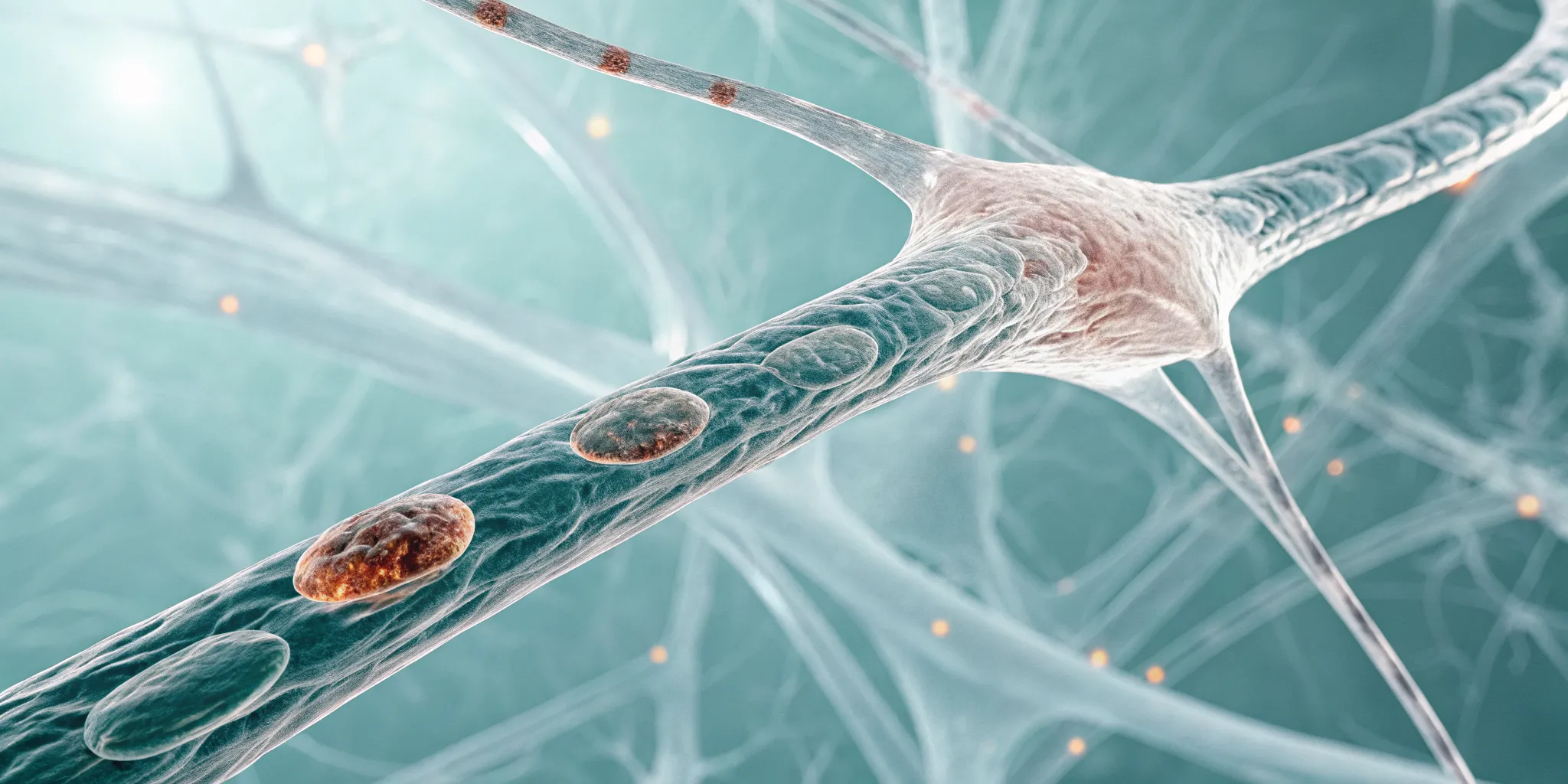
Neuropathy is more than just pain; it’s a breakdown in your body’s essential communication network. When the protective coating around your nerves gets damaged, signals get scrambled, leading to symptoms like weakness, tingling, and numbness. Traditional treatments often fail to fix this core problem. Stem cell therapy, however, works on a cellular level to support your body’s natural repair crew. By introducing powerful mesenchymal stem cells, we can help calm inflammation and encourage the rebuilding of that protective nerve sheath. This potential for true, structural repair is why so many are asking, can stem cells reverse neuropathy? Let’s examine the science behind this process and what it could mean for you.
Key Takeaways
- Address the Root Cause of Nerve Damage: Stem cell therapy goes beyond masking pain by working to repair the underlying nerve damage. The cells help reduce inflammation and rebuild the nerve’s protective sheath, aiming for long-term functional improvement instead of temporary symptom relief.
- Prioritize Treatment Safety and Cell Sourcing: Your safety depends on the clinic’s standards. A reputable provider uses high-quality, umbilical cord-derived stem cells and strictly follows FDA guidelines, which is a critical distinction from unregulated overseas clinics.
- Understand That Healing Takes Time: Regenerative medicine supports your body’s natural repair cycle, which doesn’t happen overnight. Expect gradual improvements over several months as the cells work to reduce inflammation and restore nerve function, making a personalized consultation essential for setting realistic expectations.
What Is Neuropathy?
Neuropathy is a condition that occurs when the nerves located outside of your brain and spinal cord, your peripheral nerves, become damaged. Think of these nerves as the intricate communication network that connects your central nervous system to your limbs and organs. When this network is compromised, the signals get scrambled or lost entirely. This disruption can lead to a range of uncomfortable and often debilitating symptoms, including persistent pain, weakness, numbness, or a tingling “pins and needles” sensation, most commonly felt in the hands and feet.
It’s important to understand that neuropathy isn’t a single disease. Instead, it’s a complication that arises from other health issues. The damage can be caused by a variety of factors, from metabolic problems like diabetes to physical injuries, infections, or autoimmune disorders. Because the underlying causes are so diverse, identifying the source of the nerve damage is a critical first step in finding an effective path toward relief. Our approach focuses on addressing this root cause to manage chronic pain and restore function, rather than just masking the symptoms. By getting to the heart of the problem, we can create a more sustainable plan for your long-term well-being.
Common Types of Nerve Damage
Neuropathy is generally categorized into three main types based on its cause. Understanding which category you fall into can help clarify your diagnosis and treatment plan. The first is hereditary neuropathy, which is passed down through families due to genetic factors. The second, and most common, is acquired neuropathy. This type is caused by external factors or other medical conditions. Diabetes is the leading cause, but it can also result from physical trauma, infections, autoimmune diseases, nutritional deficiencies, and exposure to certain toxins or medications. Finally, there is idiopathic neuropathy, which means the specific cause cannot be identified. This can be frustrating, but it’s surprisingly common, accounting for a significant number of cases.
How Symptoms Can Affect Your Daily Life
When your peripheral nerves are damaged, the communication between your brain and body parts breaks down. This disruption is what causes the physical symptoms that can significantly impact your daily activities. You might experience muscle weakness that makes it hard to grip objects or maintain your balance. Numbness can make you unaware of injuries, like a cut on your foot, while tingling and burning sensations can be a constant source of discomfort.
Neuropathic pain can also alter how your body processes sensations. Some people develop hyperalgesia, where a typically painful stimulus feels much more intense. Others experience allodynia, where a normally non-painful touch, like the light pressure of a bedsheet, causes significant pain. These symptoms aren’t just physical; they can affect your mobility, sleep, and overall quality of life. Addressing the underlying nerve damage is key to managing these daily challenges and reclaiming your comfort.
How Do Stem Cells Help Repair Nerves?
When you’re dealing with nerve damage, the goal is to go beyond just managing symptoms and address the problem at its source. This is where the science of regenerative medicine offers a different approach. Stem cells have a remarkable ability to support your body’s natural healing processes. Instead of simply masking pain, they work to create an environment where damaged nerves can actually repair themselves. They do this in a few key ways: by signaling other cells to begin the repair work, rebuilding essential structures, and calming the inflammation that often stands in the way of healing.
The Science of Nerve Regeneration
At its core, nerve regeneration is about helping your body rebuild what’s been lost. Stem cell therapy, particularly using mesenchymal stem cells (MSCs), has become a focal point in this field because of the cells’ unique abilities. MSCs act like your body’s own repair crew. They can release powerful growth factors that encourage damaged nerve cells to heal and can even protect existing nerves from further harm. This process helps restore communication between your brain and the rest of your body, which is often disrupted by neuropathy. It’s a proactive approach that supports the body’s own intricate systems for recovery.
Rebuilding the Nerve’s Protective Sheath
Think of your nerves like electrical wires. They have a protective coating called the myelin sheath, which acts like insulation, ensuring signals travel quickly and efficiently. In many types of neuropathy, this sheath becomes damaged, causing signals to slow down or get lost. This leads to symptoms like numbness, tingling, and pain. Stem cells can help repair nerves by supporting the cells that rebuild this protective layer. By restoring the myelin sheath, we can help improve nerve function and reduce the frustrating symptoms that interfere with your daily life. This structural repair is a critical step toward lasting relief.
Reducing Inflammation to Restore Blood Flow
Chronic inflammation is a major driver of nerve damage and pain. It creates a hostile environment that prevents nerves from healing properly. Mesenchymal stem cells are known for their powerful anti-inflammatory properties. They can help calm the overactive immune response and reduce the swelling that puts pressure on your nerves. This not only provides pain management but also allows for healing to begin. Furthermore, MSCs promote the formation of new blood vessels, a process that improves blood flow to the injured area. This enhanced circulation delivers vital oxygen and nutrients that damaged nerves need to repair and regenerate effectively.
What Kind of Stem Cells Are Used for Neuropathy?
When we talk about stem cell therapy, it’s not a one-size-fits-all approach. Different types of stem cells have different jobs in the body, and for nerve damage, clinicians have focused on one particular type that shows incredible promise for repairing tissue and calming the inflammation that drives neuropathy pain. Understanding what kind of cells are used is the first step in seeing how this therapy can offer a new path toward relief and recovery. These cells are chosen for their unique ability to address the root causes of nerve damage, rather than just masking the symptoms.
The Unique Properties of Mesenchymal Stem Cells (MSCs)
The star players in regenerative treatments for neuropathy are Mesenchymal Stem Cells, or MSCs. Think of them as the body’s natural repair crew. What makes them so special is their versatility. MSCs can develop into various cell types, including the very nerve cells that need repair. They also have a unique homing ability, allowing them to travel directly to sites of injury and inflammation. Once there, they get to work by releasing powerful anti-inflammatory agents and growth factors that help calm the overactive immune response contributing to your pain and encourage the body’s own healing processes to kick in.
Why Umbilical Cord-Derived MSCs Are a Leading Option
While MSCs can be sourced from places like bone marrow or fat tissue, we prioritize using cells from donated umbilical cords. These cells are incredibly young, vibrant, and full of healing potential. Because they are sourced at birth, they haven’t been exposed to the environmental stressors or aging processes that can affect adult stem cells. This makes them highly effective at multiplying and differentiating into the cells your body needs. More importantly, umbilical cord-derived MSCs are immunologically privileged, meaning they have a very low risk of being rejected by your body. This focus on using the highest quality cells is a key part of ensuring a safe and effective treatment right here in the US.
Can Stem Cell Therapy Reverse Neuropathy?
When you’re living with the tingling, numbness, or sharp pains of neuropathy, finding a treatment that does more than just mask the symptoms can feel like a constant search. That’s where the conversation around stem cell therapy gets interesting. The goal isn’t just to manage your discomfort; it’s to address the underlying nerve damage and support your body’s own healing processes.
While “reversal” is a strong word, the aim of regenerative medicine is to repair damaged tissue and restore function. For many people with neuropathy, this means a significant reduction in symptoms and a real improvement in their quality of life. Let’s look at what the science says about how this works.
What the Latest Research Shows
The potential of stem cell therapy for nerve damage is a major focus in the medical community, and the findings are encouraging. Studies show that mesenchymal stem cells (MSCs), like the kind we use from umbilical cord tissue, can help regenerate nerve tissue. Researchers have observed that these cells can improve nerve conduction and sensory function in patients with different types of neuropathy.
Animal studies have also laid important groundwork, showing that MSCs can travel to sites of injury and help calm the body’s immune response, which is often a factor in nerve damage. While research is ongoing, these studies point toward a future where we can more effectively help the body repair itself from the inside out.
Understanding Nerve Repair vs. Symptom Management
Traditional treatments for neuropathy often focus on managing symptoms. Medications might dull the pain, but they don’t typically fix the damaged nerves causing it. This can feel like a temporary fix, and over time, the effectiveness can wane. Stem cell therapy takes a different approach by targeting the root cause of the problem.
The goal is to support true nerve repair. Stem cells do this by helping to rebuild the protective layer around your nerves, known as the myelin sheath. They also promote the growth of new blood vessels and help regulate the immune system to reduce inflammation. By addressing the actual damage, this approach to pain management aims for lasting relief and restored function, not just temporary symptom control.
A Look at Patient Outcomes
So, what does this mean for real people? While every person’s body responds differently, the results from clinical studies are promising. Some research has shown that a high percentage of patients treated with stem cells for neuropathy experience a noticeable improvement in their symptoms. This can mean less pain, reduced numbness, and better sensation.
For example, a small but significant study showed that MSCs helped reduce pain for people with trigeminal neuralgia, a severe facial nerve condition. These early human studies, combined with countless positive patient testimonials, show the real-world impact of regenerative treatments. They highlight the potential for stem cells to offer hope where other treatments have fallen short.
What to Expect from Your Stem Cell Treatment
Thinking about any new medical treatment can feel a bit overwhelming, but knowing what to expect can make the process much clearer. Stem cell therapy for neuropathy is a straightforward procedure designed to support your body’s natural healing abilities. From your first consultation to your recovery, the goal is to help you feel informed and comfortable. Let’s walk through what the treatment journey looks like, what kind of results you can anticipate, and what factors might shape your outcome.
The Treatment Process from Start to Finish
Your treatment journey begins with a detailed consultation to confirm that stem cell therapy is the right fit for you. On the day of your procedure, the process is quite simple. We use ethically sourced, umbilical cord-derived mesenchymal stem cells (MSCs), so there’s no need for any harvesting from your own body. The treatment itself involves a series of injections that deliver the powerful regenerative cells directly to the area of nerve damage. This is a minimally invasive, non-surgical procedure performed right in our clinic. The entire appointment is usually quick, and our team will ensure you are comfortable throughout.
Setting Realistic Goals for Your Recovery
Patience is key when it comes to regenerative medicine. Your body needs time to respond to the therapy and begin the repair process. While some people report feeling initial pain relief sooner, most significant improvements in neuropathy symptoms tend to appear within three to six months. It’s important to have realistic expectations; while many of our patients experience positive outcomes, results can vary, and the therapy may not work for everyone. The goal is to reduce your symptoms, improve nerve function, and enhance your quality of life by addressing the underlying inflammation and damage. You can see what other patients have experienced on our testimonials page.
Factors That Can Influence Your Results
Your outcome from stem cell therapy is unique to you. Several factors can influence how well you respond to the treatment, including the specific type of neuropathy you have and how long you’ve had it. The severity of your nerve damage also plays a significant role. Your overall health, lifestyle, and adherence to post-treatment care instructions can also impact your results. This is why we create a personalized treatment plan for every patient. A thorough evaluation helps us understand your specific condition and set achievable goals for your recovery. To find out if this treatment is right for you, we encourage you to schedule a consultation with our team.
Is Stem Cell Therapy for Neuropathy Safe?
When you’re exploring new treatments for something as persistent as neuropathy, safety is naturally a top priority. The good news is that when performed by qualified professionals in a controlled setting, stem cell therapy has a strong safety record. The key is understanding that not all stem cell treatments are created equal. The source of the cells, the clinic’s protocols, and adherence to regulatory guidelines are what separate a safe, effective procedure from a risky one.
At Miami Stem Cell, your well-being is our primary focus. We operate with the highest standards of care, using only ethically sourced, umbilical cord-derived mesenchymal stem cells that are rigorously screened for quality and viability. Our entire process, from initial consultation to post-treatment follow-up, is designed to ensure your safety and provide a clear, transparent experience. We believe that an informed patient is an empowered one, so let’s walk through the specifics of what makes this treatment a safe option for nerve repair.
The Safety of FDA-Compliant Treatments
First and foremost, it’s crucial to choose a clinic that follows strict regulatory guidelines. In the United States, this means adhering to FDA regulations that govern how human cells and tissues are used. These rules are in place to protect you. At Miami Stem Cell, we exclusively use treatments that are compliant with these standards. Peer-reviewed studies have shown that therapies using mesenchymal stem cells (MSCs) can effectively support nerve regeneration and improve function in patients with neuropathy. This scientific backing is a cornerstone of our practice and a key reason why patients trust our approach. Choosing a domestic, compliant clinic is the most important step you can take to ensure a safe treatment journey.
Potential Side Effects and How We Minimize Them
You may have seen reports about complications from stem cell procedures. These issues almost always arise from unregulated clinics that operate without proper oversight, which is why there are significant risks associated with overseas vs. USA stem cell treatments. We minimize these risks by following strict, multi-step safety protocols. Our mesenchymal stem cells are sourced from FDA-regulated, AATB-certified labs and undergo extensive testing for disease and contaminants. The procedure itself is minimally invasive and performed by our experienced medical team in a sterile environment. The most common side effects are mild and temporary, such as soreness, redness, or swelling at the injection site, similar to what you might experience with any shot. Our team’s expertise and commitment to patient safety is central to everything we do.
Long-Term Safety and What to Expect
Mesenchymal stem cells have been used in clinical settings for years and have demonstrated a reassuring long-term safety profile. Because MSCs do not provoke an immune response, the risk of rejection is extremely low. The scientific community continues to explore the full potential of these cells, with ongoing clinical trials for a range of conditions providing more data on their long-term effects. This growing body of research consistently supports the safety of using high-quality, properly sourced stem cells for regenerative purposes. We are committed to staying at the forefront of this research to ensure our protocols reflect the latest advancements in both safety and efficacy.
Are You a Good Candidate for This Treatment?
Deciding if stem cell therapy is the right path for you involves looking at your specific health situation. While this treatment shows incredible promise for nerve damage, several factors can influence your results. Let’s walk through what makes someone a strong candidate and what you should consider before moving forward.
Who Is an Ideal Candidate?
Stem cell therapy isn’t a general fix-all, but it can be particularly effective for certain types of nerve damage. People who often see the most significant improvements are those dealing with diabetic neuropathy, chemotherapy-induced neuropathy, or nerve damage linked to autoimmune conditions. If your neuropathy stems from one of these underlying issues, your body may be more receptive to the regenerative signals from mesenchymal stem cells. The best way to know for sure is to have a thorough evaluation. A specialist can assess your specific type of nerve damage and determine if our pain management protocols are a good match for your healing goals.
How Severity and Timing Affect Treatment
The extent of your nerve damage and how long you’ve been experiencing symptoms are key factors in your treatment plan. Generally, the sooner you address nerve damage, the more potential there is for repair. However, that doesn’t mean people with long-standing or severe neuropathy can’t benefit. Stem cells work to reduce inflammation and support your body’s natural healing processes, which can help at any stage. Our team creates a personalized approach for every patient, taking into account the unique details of your condition. We focus on understanding your health history to set realistic and meaningful goals for your recovery.
When to Consider Other Options
Many people explore stem cell therapy after trying conventional treatments without success. If you’ve found that pain medications, physical therapy, or other methods haven’t given you the relief you need, or if you’re dealing with unwanted side effects, regenerative medicine offers a different approach. It’s important to have realistic expectations; while many patients experience significant improvement, results can vary. This therapy focuses on healing from within, but it may not resolve the underlying cause in every case. We encourage you to read through our patient testimonials to see real-world examples and get a better sense of the potential outcomes.
How Does Stem Cell Therapy Compare to Traditional Treatments?
When you’re dealing with neuropathy, you’ve likely explored a range of traditional treatments. These often include prescription medications, physical therapy, and lifestyle adjustments. While these methods can be helpful for managing symptoms, they typically don’t address the underlying nerve damage. They act more like a bandage, offering temporary relief without fixing the source of the pain. This is where regenerative medicine offers a fundamentally different approach.
Instead of just masking symptoms, stem cell therapy aims to repair and regenerate the damaged tissues that cause your pain and discomfort. Think of it as helping your body heal from the inside out. The goal isn’t just to make you feel better for a few hours but to create lasting improvement by restoring nerve function. This approach doesn’t necessarily replace conventional care. Instead, it provides a powerful, complementary tool that works on a cellular level to promote genuine healing, offering a new path forward when other treatments haven’t provided the results you need.
Advantages Over Conventional Methods
The biggest advantage of stem cell therapy is its focus on the root cause of neuropathy. Many conventional treatments, especially pain medications, are designed to quiet the signals your damaged nerves are sending. They can be effective for short-term relief, but they don’t repair the nerves themselves. Over time, you might find you need higher doses, or the medication may become less effective.
Stem cell therapy works differently. It introduces powerful regenerative cells that can reduce inflammation, encourage the growth of new blood vessels, and help rebuild the protective coating around your nerves. By targeting the actual damage, this therapy offers the potential for more sustainable, long-term relief. It’s a proactive approach to healing rather than a reactive way to manage pain, which is why it’s becoming a promising option for people who feel stuck with their current pain management plan.
Combining Stem Cells with Other Therapies
Stem cell therapy doesn’t have to be a standalone treatment. In fact, it often works best as part of a comprehensive, personalized plan designed to support your body’s healing process. We can combine it with other regenerative treatments, like PRP therapy, to enhance the restorative environment in the targeted area.
Think of it this way: stem cells do the heavy lifting of cellular repair, while other supportive therapies help create the ideal conditions for them to work effectively. This might include specific nutritional guidance, physical therapy to restore function and mobility, or other treatments that reduce systemic inflammation. By integrating therapies, we can create a synergistic effect that supports your recovery from multiple angles, giving you the best possible chance at a successful outcome.
Understanding the Cost and Your Options
It’s important to have a clear conversation about the investment required for stem cell therapy. Because it’s still a newer field of medicine, these treatments are generally not covered by insurance. The cost can vary depending on the specifics of your condition and treatment plan. We see this as an investment in your long-term health and quality of life, helping you get back to the activities you love without being held back by nerve pain.
When considering your options, it’s crucial to choose a reputable clinic. While some people look into treatments abroad, it’s important to understand the differences in regulations and safety standards. At Miami Stem Cell, we adhere to strict FDA guidelines to ensure your safety and provide the highest quality of care. You can learn more about the key differences between overseas vs. USA stem cell treatments on our blog.
Key Questions to Ask Before You Begin
Making the decision to pursue stem cell therapy is a significant step toward reclaiming your health. But before you commit to a treatment plan, it’s essential to do your homework. The quality of care, the source of the stem cells, and the expertise of the medical team can vary dramatically from one clinic to another. Taking the time to ask pointed questions not only protects your health but also sets you up for the best possible outcome. Think of it as building a partnership with your provider, one founded on transparency and trust. To help you feel confident in your choice, we’ve broken down the most important questions to ask about the clinic itself and the provider’s specific experience.
How to Choose the Right Clinic
Your first priority is to find a clinic that puts your safety first. This means confirming they operate in compliance with FDA regulations. In the United States, these guidelines ensure a high standard of safety and quality control, which is a key difference when considering overseas vs. USA stem cell treatments. You should also ask about where their stem cells come from. Ethically sourced, umbilical cord-derived cells are a gold standard in regenerative medicine. A reputable clinic will be completely transparent about its sourcing and protocols. Don’t hesitate to ask for details; a team that is confident in its practices will be happy to share them with you.
What to Ask About a Provider’s Experience and Results
Once you’ve found a promising clinic, it’s time to get specific about the provider and the treatment itself. During your consultation, come prepared with a list of questions. Start with the basics: What type of stem cells do you use and why? Who will be performing my procedure, and what are their qualifications? A great provider will walk you through their experience with patients who have similar conditions to yours. Ask about potential risks and what the clinic does to minimize them. Finally, discuss what a realistic outcome looks like for you. While every patient is different, the provider should set clear, honest expectations based on their clinical experience.
Related Articles
Frequently Asked Questions
Is the stem cell procedure painful, and how long does it take? Most people are surprised by how quick and manageable the treatment is. The procedure itself is a series of injections, not a surgery, so it’s minimally invasive. We use a local anesthetic to numb the area, which helps ensure you are comfortable. While you might feel a bit of pressure, the process is generally well-tolerated. The entire appointment is usually completed in a short amount of time, allowing you to return home the same day.
How many treatments will I need to see results? This is a very personal question, as the answer depends entirely on your specific condition, the severity of your nerve damage, and how your body responds. Some individuals experience significant improvement after just one treatment. For others with more extensive or long-standing neuropathy, a series of treatments may be recommended to achieve the best possible outcome. We will develop a personalized plan during your consultation that sets clear and realistic goals for your recovery.
Why isn’t stem cell therapy for neuropathy covered by insurance? This is a common and important question. Because regenerative medicine is a newer field, most insurance providers still classify these treatments as investigational, even with a growing body of positive research. Insurance companies are typically slow to provide coverage for innovative procedures until they become a long-established standard of care. We view this therapy as a direct investment in your long-term health and quality of life, and we are transparent about all costs upfront.
What’s the difference between stem cell therapy and PRP for neuropathy? Think of it this way: stem cells are the primary repair crew, while PRP is the support team. Stem cells, specifically MSCs, are powerful cells that can reduce inflammation and signal your body to regenerate damaged tissue. Platelet-Rich Plasma (PRP), which is derived from your own blood, contains growth factors that act as powerful signals to support and amplify the healing environment. Sometimes, these therapies are used together to create a more comprehensive healing response.
What can I do to support my recovery after the treatment? Your role in the healing process is very important. The best thing you can do is follow the post-procedure instructions provided by our team. This typically includes resting the treated area for a short period and then gradually reintroducing activity. Maintaining a healthy, anti-inflammatory diet and staying hydrated can also create an ideal internal environment for the stem cells to do their work. Your commitment to these simple steps can make a real difference in your results.