

Carpal Tunnel Treatment Without Surgery in Miami
Numbness in your thumb and first three fingers often signals a nerve issue. This sensation can make it hard to grip objects or type on a keyboard.
Carpal tunnel treatment often starts with simple steps like wearing a wrist splint at night and changing how you move your hand. These simple choices aim to lower pressure on the median nerve to stop pain and numbness before it gets worse. Research from the Mayo Clinic shows these methods work best for mild cases that have lasted less than ten months. Newer choices like PRP therapy focus on lowering swelling to help the area heal on its own without harsh tools. If these steps do not work or if you have deep nerve damage, surgery might be needed to open the carpal tunnel. Finding the right plan helps you get back to your daily life without constant hand pain.
Many patients want to know if they can find relief without a surgery or if their condition is too far gone. Every successful carpal tunnel treatment starts with an accurate diagnosis to find the exact source of your pain. This step ensures you use the best tools for your specific needs. The path begins with
How does an accurate carpal tunnel diagnosis guide treatment?
A reliable diagnosis confirms that median nerve compression at the wrist, rather than another condition, is causing the symptoms. The exam also helps determine severity, which guides whether braces, therapy, injections, regenerative care, or surgical referral may be appropriate.
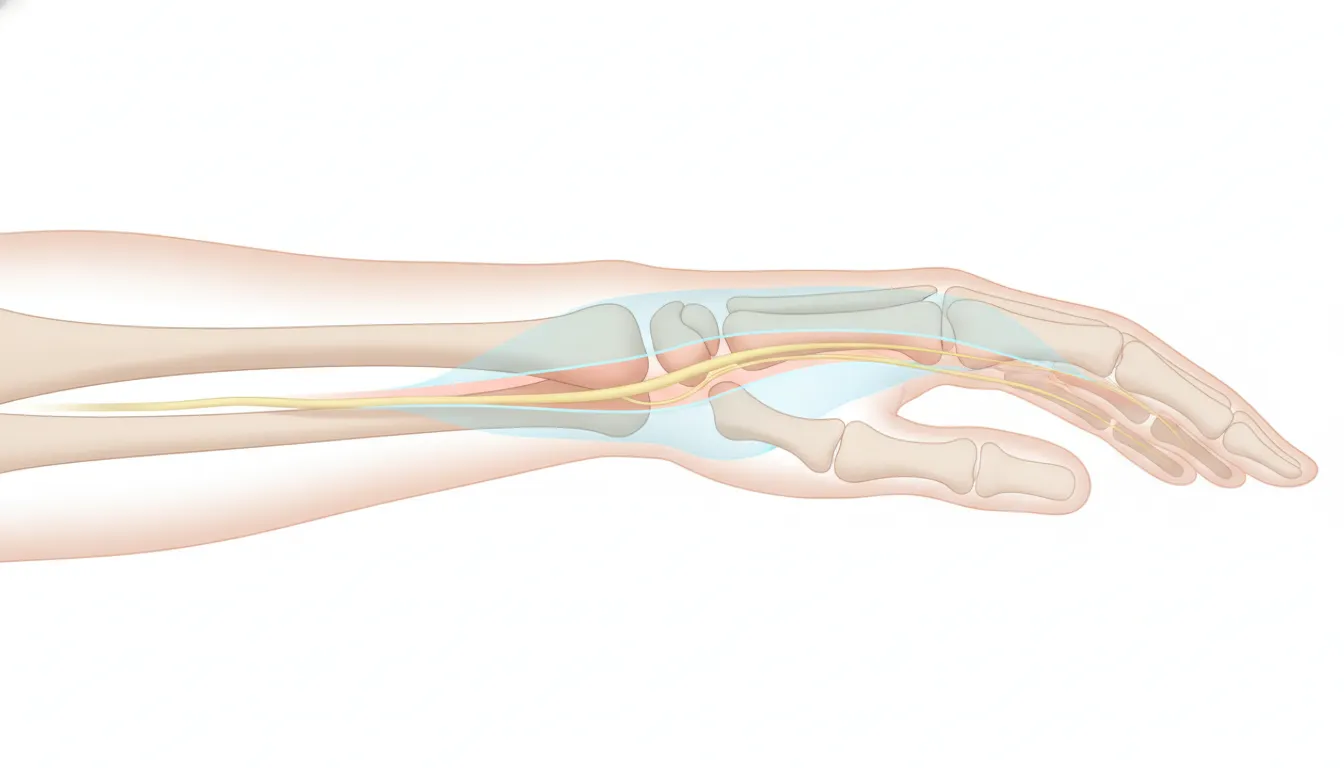
To get the right carpal tunnel treatment, you first need a clear diagnosis. This condition occurs when the median nerve is squeezed as it goes through the wrist. This small space is called the carpal tunnel. When the nerve is pressed, it can cause pain, numbness, and weakness. Finding the exact cause of your hand pain is the first step toward lasting relief.
Recognizing common symptoms
Symptoms of carpal tunnel often start slowly and may come and go. You might feel a tingle or numbness in your thumb and first three fingers. These feelings usually happen while holding a phone or a steering wheel. Many people notice that symptoms occur at night or right after they wake up.
As the pressure on the nerve grows, you may lose strength in your hand. This can make it hard to grip small things or do daily work. Because the median nerve gives sense and motion to most of the hand, the effect is often felt across the palm. It is helpful to track when these signs appear. This data helps your doctor find the best path for your carpal tunnel treatment.
The clinical exam process
A doctor will start by asking about your health history and your daily habits. They will check your hand, wrist, and arm for signs of swelling or loss of muscle. Simple physical tests can show if the nerve is under stress. For example, your doctor might tap on the wrist or ask you to hold your hands in a bent position. These moves aim to trigger the same tingling you feel at home.
Certain factors can raise your risk for this issue. Research shows that women are more likely to have carpal tunnel because they often have smaller wrists. Sometimes, hand pain comes from other issues like a past injury or joint wear. Your doctor might use X-rays to rule out bone problems. While X-rays do not show carpal tunnel, they help ensure your care targets the right source. You can look at different carpal tunnel treatment alternatives to find the best fit for your needs.
Advanced nerve testing
If the first exam is not enough, your doctor may order a nerve study. This test checks how well the median nerve sends signals to your hand. During the test, a small shock is used to see if the impulses slow down as they pass through the wrist. This gives a clear picture of the pressure on the nerve and how well it is working.
A full map of nerve health is vital before you start any carpal tunnel treatment. These tests confirm if the nerve is truly pinched and how bad the damage is. At Miami Stem Cell, we use these findings to build a plan that fits you. We focus on non-surgical ways to help your body heal. Our goal is to reduce pain and help you get back to your daily life without invasive steps.
Can carpal tunnel improve without surgery?
Some mild to moderate cases improve without surgery, especially when care begins before constant numbness, muscle loss, or major nerve-test abnormalities develop. A clinician can assess whether splinting, therapy, activity changes, or other non-surgical options are reasonable and monitor progress.
Many patients find that carpal tunnel issues can improve with the right care. You may not need a surgery if your case is not severe. Doctors often suggest starting with a simple plan to help the wrist heal. This path is most helpful for people with mild or mid-stage pain that has just begun.
Who is a match for non-surgical care?
You may be a good fit for non-surgical carpal tunnel treatment options if your symptoms come and go. Those who have felt tingling or numbness for less than 10 months often see the best results. If your hand strength is still good, you likely have more options than someone with muscle loss. Simple treatments are more likely to help if your symptoms are not constant or severe.
Your doctor will check if your nerve is still working well. They may use a physical exam or simple tests to see how much pressure is on the median nerve. People who find relief by wearing a brace at night or taking breaks at work are often able to avoid the surgery room. Finding the right balance of rest and therapy is key for these patients.
The role of taking early action
It is vital to treat this issue as soon as you notice the first signs of trouble. Waiting too long can lead to long-term nerve damage. When you act early, you can stop the pressure from getting worse. This might mean changing how you hold your phone or how you sit at your desk. Small shifts in your daily habits can make a big change in your comfort.
At Miami Stem Cell, we offer regenerative care for nerve issues that focuses on the root cause of the problem. These plans are designed to help reduce swelling and support the normal healing process in your wrist. By acting fast, you give your body the best chance to heal without needing a scalpel. This approach helps many people return to their normal lives with less downtime.
Setting clear goals for healing
Your goal for healing should be to lower pain and regain full use of your hand. It is vital to know that healing takes time. You may not feel perfect in just one day. Most people need a few weeks of rest and steady care to see a change. You should work closely with your care team to track your progress and adjust your plan as needed.
A shared choice between you and your doctor is the best way to find a fix. You can talk about your daily life, your job, and your long-term health goals. This helps you pick a path that fits your needs. Many patients find that a mix of lifestyle changes and modern care helps them reach their goals without surgery. Stay patient and follow your plan to get the best results for your wrist health.
Which bracing and habit changes may help first?
Night splinting, neutral wrist positioning, activity breaks, and lighter gripping may reduce pressure on the median nerve in mild or early cases. These steps are low-risk starting points, but ongoing numbness, weakness, or worsening symptoms need medical evaluation.

Early care for carpal tunnel often starts at home. If you have mild symptoms for less than 10 months, small shifts in your daily life can help. These steps focus on taking pressure off your median nerve. They also give your wrist a chance to heal. Most people find that early treatment keeps symptoms from getting worse.
Use a wrist splint at night
Many people feel numbness or tingling that wakes them up at night. This often happens because we bend our wrists while we sleep. A wrist splint keeps your joint in a flat, neutral spot. This takes the weight off the nerve. Using a splint at night is a smart way to manage pain without pills. It is a key part of many carpal tunnel treatment alternatives you can start now.
Adjust your daily activity
Your work or hobbies may change how your wrist feels. Moving your hands the same way many times can cause swelling. This makes nerve pain worse. It helps to take more breaks to rest your hands during the day. Try not to keep your wrist bent too far forward or back for a long time. These non-surgical pain management options help lower the daily stress on your joints.
Practical habit changes
Small shifts in how you use your hands can lower the load on your wrist. For example, use a light touch when you type or hold a pen. You should also try to keep your wrists straight when you use tools or a steering wheel. If your wrist feels sore, you can use cold packs to help reduce the swelling. If these steps do not help after a few weeks, it may be time to seek more care.
How may therapy and ergonomics support recovery?
Hand therapy and ergonomic changes may reduce repeated irritation while improving safe wrist and tendon movement. A trained clinician can tailor exercises and workstation changes, because aggressive or incorrectly performed nerve glides may worsen symptoms in some patients.
Treating wrist pain often starts with simple changes to how you use your hands. Early care is the best way to stop the problem from getting worse. If you catch it soon, you may avoid the need for deep or hard steps later. Most doctors suggest a plan that does not use surgery. These carpal tunnel treatment alternatives help many people find relief.
Tests show that non-surgery care works best for mild cases. A common first step is to wear a wrist splint. This brace keeps your wrist in a straight line. It is helpful to wear it while you sleep. This keeps you from bending your wrist and waking up with pain. Data from the Mayo Clinic shows that early care is vital to keep the nerve safe.
Physical and hand therapy
A hand expert can guide you through tools to heal your wrist. They look at how you move and find ways to lower the strain on your nerve. They may use heat, cold, or soft tissue work to help with swelling. Therapy is a key part of non-surgical pain management options. An expert will teach you how to move in ways that do not hurt. This helps the hand heal without adding new stress.
Therapy also includes learning about your issue. Knowing which moves cause pain helps you stay safe. You might learn to use other tools or ways to grip items. Small shifts in how you hold a phone can make a big change. The goal is to lower the pressure in the wrist so the nerve can rest and heal.
Nerve and tendon gliding
Nerve glides are special moves that help the nerve move more freely. These moves aim to pull the nerve through the wrist gently. This can help lower the pressure and boost blood flow. You should always do these moves with an expert at first. Doing them the wrong way can make the nerve feel worse instead of better.
Tendon glides help the parts of your hand slide past each other. This reduces friction and keeps the hand from feeling stiff. When used with other care, these moves can improve how your hand works. They are often part of a full care plan. Keeping the tissues moving well supports long-term health in your wrist and palm.
Workplace setup
Your work setup plays a huge role in how your wrists feel. Many people spend hours at a desk with their wrists bent. This can cause swelling that makes nerve pressure worse. A good wrist angle is key to staying pain-free. You should keep your wrists straight and your elbows at a 90-degree angle. This lowers the load on the wrist area.
Taking breaks is also a must for hand health. You should stop for a short rest every hour. During these breaks, you can stretch your fingers or rest your hands. Experts at Johns Hopkins say that avoiding the same moves is a top way to stay safe. Small breaks help the hand recover from the stress of typing. Changing your desk setup and taking time to rest can lead to better hand health.
How do common carpal tunnel treatment options compare?
The right carpal tunnel treatment depends on symptom severity, duration, nerve-test findings, and response to conservative care. Braces and therapy often come first, injections may provide temporary relief, and regenerative approaches require individual evaluation. Severe nerve damage may require surgical referral.
- Start with evaluation, splinting, and activity changes for mild symptoms.
- Consider supervised therapy and ergonomics when daily activities contribute to irritation.
- Discuss injections or regenerative care only after reviewing candidacy, evidence, and limitations.
- Seek prompt surgical evaluation for muscle loss, constant numbness, or severe nerve-test findings.
Choosing the right path for carpal tunnel care depends on how long you have had symptoms. Your doctor will often look at how much your wrist pain affects your daily life. For many people, the goal is to stop the median nerve from being pressed within the wrist canal. Early care can help prevent permanent nerve damage and muscle loss in the hand.
Conservative at-home care
If your symptoms are mild, you may start with simple changes at home. Splinting and other early treatments are often most helpful when you have had symptoms for less than 10 months. You should take more breaks during tasks and use cold packs to keep swelling down. Wearing a brace at night can also keep your wrist in a neutral position to reduce pressure on the nerve.
You may also find relief by making changes to your workspace. Good wrist alignment helps keep the tunnel open while you type or use tools. These carpal tunnel treatment alternatives allow many patients to manage discomfort without needing quick medical steps. But if numbness persists, you should talk to a professional to see if you need more help.
Medical and regenerative choices
When at-home care is not enough, medical options can help manage inflammation. Doctors may suggest drugs to reduce pain or shots to lower swelling around the nerve. Some patients look for regenerative medicine for nerve issues as a way to support the body’s natural healing. These modern tools focus on the root cause of the pressure rather than just hiding the pain.
Many patients prefer non-surgical plans that do not require long rest times. Regenerative options like PRP or MSC therapy are designed to help with chronic compression. These choices can be part of a full plan to restore function. They are often a good fit for people who want to avoid the risks of a standard operation.
| Treatment Type | Primary Role | Best For | Main Limits |
|---|---|---|---|
| Night Splinting | Keeps wrist straight | Mild or early symptoms | Does not fix cause |
| Physical Therapy | Improves nerve glide | Mild to moderate cases | Requires many weeks |
| Pain Medicines | Reduces inflammation | Short term relief | Side effects over time |
| Steroid Shots | Lowers local swelling | Moderate flare ups | Results are temporary |
| Regenerative Therapy | Supports tissue repair | Chronic nerve pressure | Needs specialist care |
| Release Surgery | Cuts tunnel ligament | Severe or late cases | Recovery and scar risk |
When to consider surgery
Surgery is usually the last step when other paths do not work. In this process, a surgeon cuts the ligament that forms the roof of the carpal tunnel. This creates more space for the nerve to pass through. While it can be very effective, it involves downtime and the risk of scar tissue forming near the wrist. Most doctors recommend trying non-surgical care for several months before choosing this path.
It is important to know that waiting too long can lead to permanent weakness. If you notice your grip is getting soft or you can no longer feel your thumb and fingers, you need a quick checkup. A specialist can run tests to see how slow the nerve signals have become. This helps you and your doctor decide if a surgical release is the best move to save your hand function.
Where may regenerative medicine fit?
Regenerative medicine may be considered for select patients after a careful diagnosis and discussion of evidence, alternatives, and limitations. PRP or MSC-based care is not a guaranteed cure and should not delay surgical referral when testing shows severe or progressive nerve damage.
Regenerative medicine is not a simple fix for all. It is a tool that may help when other paths do not work. If you need a carpal tunnel treatment that avoids surgery, we look at your health past to see if these options are right for you. Some people find relief with simple steps like rest or cold packs to reduce swelling in the wrist. But for others, the pain stays or gets worse over time. We believe in a careful look at each person before we suggest a plan.
Checking your health needs
Every person has a unique case of nerve pain. Before you start any carpal tunnel treatment alternatives, you need a full check. We use tools like ultrasound to see the tendons and nerves in your wrist. This shows where the nerve has pressure. We also use nerve tests to see how well the signals move through your arm. If the signals are slow, it often shows the nerve is caught in the carpal tunnel.
Our team looks at how you use your hands each day. Do you use a desk or heavy tools? This shows if your pain comes from work or other health issues. We also check if you have had other care like physical therapy. By knowing your story, we find where these tools help most. We want to give you a clear view of your health before you make a choice.
Science-backed care plans
Our clinic uses a science-backed path to help you heal. We focus on plans that target the root cause of your pain. This often means fixing the swelling and damage around the nerve. We use options like PRP or mesenchymal stem cells (MSCs) to support your body’s natural healing. These non-surgical pain management options aim to fix the area rather than just hiding the pain. We do not promise a cure, but we use the best data to help you.
These treatments work by sending healing cells to the spot that hurts. This can help lower the pressure on the nerve. Our goal is to create a healthy area where your body can repair itself. We use new tools to put cells in the right spot. This is why many people trust our Miami office. We always keep our claims grounded in the latest research.
Questions to discuss before regenerative care
Regenerative medicine is not a guaranteed substitute for surgery. Ask how your diagnosis, symptom severity, nerve-test findings, health history, and prior treatments affect candidacy. Discuss realistic goals, available evidence, limitations, recovery expectations, and the signs that would require surgical referral.
When is surgery still the safer next step?
Surgical referral may be the safer next step when numbness is constant, thumb muscles are weakening, nerve studies show severe compression, or a well-followed conservative plan has not helped. Delaying decompression in advanced cases can increase the risk of lasting nerve damage.
Most people want to avoid surgery when they first notice wrist pain. Basic choices work well for many people with mild signs. But in some cases, waiting too long can lead to lasting harm. You must know when the risk of nerve damage makes surgery the best path. Getting help for carpal tunnel syndrome early is key to stopping the problem from getting worse.
Signs of severe nerve damage
You should watch for clear warning signs that your issue is growing. Constant numbness in your thumb or fingers is a major red flag. If you lose feeling and it does not come back with rest, the nerve may be under too much pressure. This can lead to a loss of hand strength. You might find it hard to grip a phone or turn a key.
Muscle wasting is another sign that you need to see a pro. This often shows up as a thin or flat spot in the muscle at the base of your thumb. When the median nerve is crushed for too long, the muscles it controls start to die. At this stage, options for carpal tunnel treatment like splints may not be enough to fix the issue. Surgery helps by taking the pressure off the nerve before the muscle loss is for good.
- Constant numbness that does not go away at night.
- Weakness when pinching or holding small objects.
- Clear thinning of the muscle at the base of the thumb.
- Pain that keeps you from doing daily tasks.
What medical tests reveal
Doctors use special tests to see how well your nerves work. A nerve conduction study sends a small shock through the nerve. This shows how fast the signal moves through the wrist. If the signal is very slow, it means the carpal tunnel is too tight. Another test is an electromyography (EMG). This test uses a tiny needle to measure electrical activity in your hand muscles.
The results of these tests help your doctor decide if you need surgery. If the EMG shows that your muscles are not getting signals, simple rest will not help. You may need a surgeon to open the carpal tunnel and give the nerve more room. While regenerative medicine for nerve issues can help some people, severe cases often need a major change to the wrist structure.
The risks of waiting too long
Some people avoid the doctor because they fear surgery. But waiting can be a big mistake. If the median nerve is squeezed for months or years, it can stop working for good. This can leave you with a hand that is weak and numb for life. Surgery is a safe way to stop this damage before it goes too far. A hand specialist can tell you if your nerve is at high risk.
Always talk to a pro if your hand signs do not get better with basic care. They will help you find the best way to keep your hands healthy and strong. While many avoid surgery, it is sometimes the safest next step for your long-term health.
Frequently Asked Questions
These brief answers cover common questions about home care, activities to avoid, regenerative options, and when to seek specialist evaluation. They are educational and cannot replace an examination or nerve testing when symptoms persist or worsen.
Can you heal carpal tunnel on your own?
You can treat mild signs with at-home care. As stated by the Mayo Clinic, steps without surgery work best if pain is mild and has lasted less than ten months. Using cold packs and taking breaks can also help. If your hand stays numb or weak, you should seek expert help. Early care is key to stopping long-term nerve harm.
What should you not do if you have carpal tunnel?
Avoid tasks that keep your wrist bent for a long time. Do not use tools that shake or put pressure on your palm. The Mayo Clinic says to take many breaks from steady hand work. You should also stop any act that makes your numbness feel worse. Keeping your wrist in a straight place is vital for healing. Using too much force when you type or grip can cause more nerve pain.
Is regenerative medicine a real option for carpal tunnel?
Yes, steps like PRP or MSC therapy are used to treat carpal tunnel. These choices aim to fix the swelling around the nerve in your wrist. As stated by Miami Stem Cell, these steps can help patients who want to avoid the risks of surgery. These ways help the body heal its own tissue. They target the source of the pain instead of just hiding it. Talk to a doctor to see if these ways are right for you.
When should you see a specialist for carpal tunnel?
You should see an expert if your signs do not go away with rest or splints. If you feel weak in your hand or have trouble picking up small items, it is time for a check-up. Numbness that wakes you at night is a sign to seek help. A Johns Hopkins report notes that early tests can stop long-term nerve harm. An expert can run tests to see how much the nerve is being squeezed.
Ready to discuss carpal tunnel treatment in Miami?
A personalized evaluation can clarify whether conservative care, regenerative options, or surgical referral is the safest next step. Miami Stem Cell provides medically conservative guidance without promising a cure or delaying appropriate specialist care.
If you do not treat your carpal tunnel soon, you could face lasting nerve loss and a steady drop in the strength of your hand. Starting a plan now helps you avoid the risks of major surgery and the long months of recovery that follow an old release operation. Our Miami clinic provides carpal tunnel treatment options that focus on healing and getting you back to your hobbies with much less pain. By acting today, you can stop the damage before it gets worse and find a way to manage your pain without using any harsh drugs.
Ready to get started? Contact us online to schedule a personalized consultation with our team.