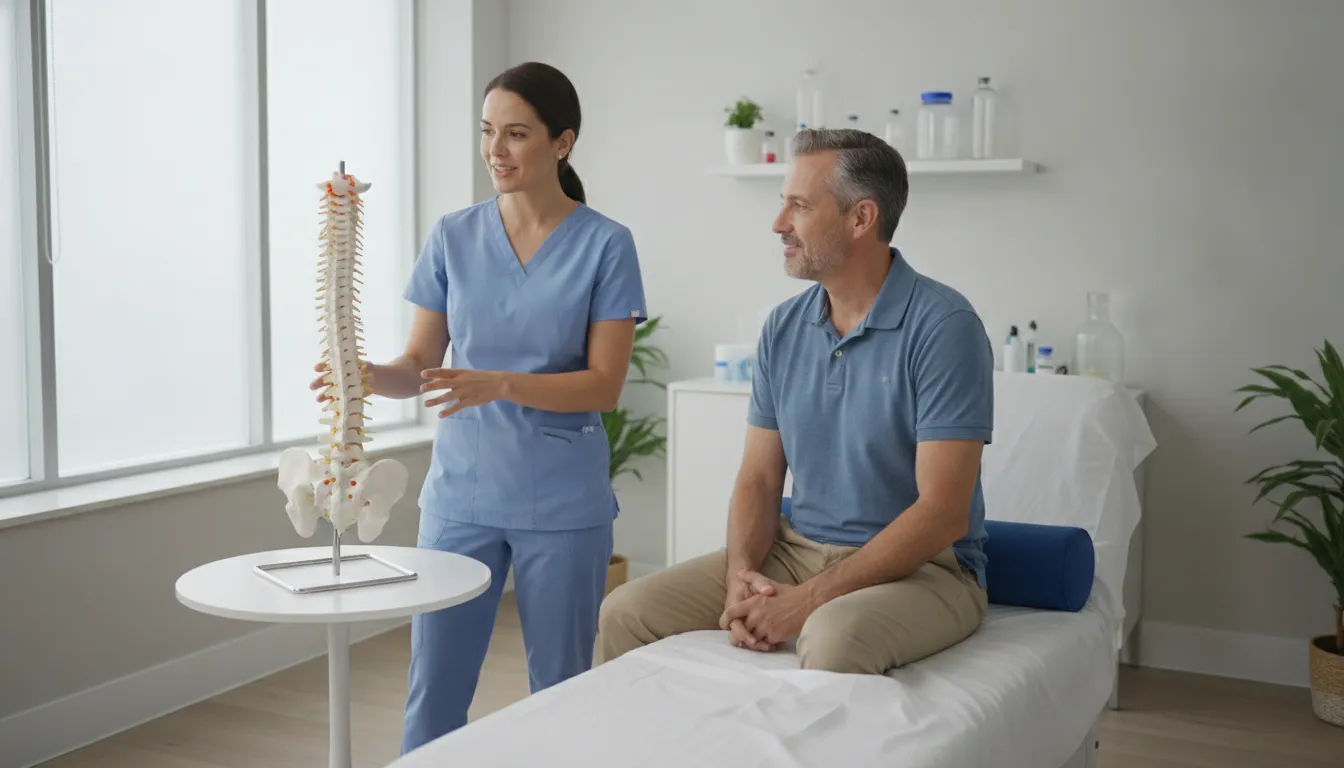

A rotator cuff tear often feels like a choice between two bad options: living with the pain or undergoing invasive surgery. The thought of a long recovery, anesthesia, and the risks of an operation is enough to make anyone hesitate. But there is a third option that changes the conversation. The stem cell therapy shoulder recovery time is a fraction of what surgery requires, completely altering the healing process. This stem cell shoulder treatment uses a simple, non-surgical injection to deliver powerful regenerative cells directly to the injury. It helps your body rebuild the damaged tendon for a more efficient and durable recovery, without the scalpel.
Key Takeaways
- Heals from the inside out: Stem cell therapy addresses the source of shoulder pain by using powerful cells to repair damaged tendon tissue and reduce inflammation, promoting true recovery instead of just masking symptoms.
- A powerful non-surgical option: It’s a great choice for people with partial rotator cuff tears who want to avoid surgery, especially if conservative treatments like physical therapy have not provided enough relief.
- Offers a faster, less invasive recovery: The treatment is a simple in-office injection, which means you can avoid the long downtime, risks, and extensive rehabilitation associated with surgery while aiming for more durable, long-term results.
What Is a Rotator Cuff Injury?
Shoulder pain can be more than just a minor annoyance; it can disrupt everything from your workout routine to simple daily tasks like reaching for a coffee mug. Often, the source of this discomfort is the rotator cuff, a crucial part of your shoulder’s anatomy. Understanding what a rotator cuff injury involves is the first step toward finding a path to recovery that doesn’t involve surgery. Whether the pain is a dull, persistent ache or a sharp, sudden twinge, getting to the root of the problem is key to regaining your mobility and living without pain.
Your Rotator Cuff: A Simple Guide
Think of your rotator cuff as a team of four muscles and their tendons working together. Their main job is to keep the top of your upper arm bone securely centered in your shoulder socket. This small but mighty group is what allows you to lift and rotate your arm, making it essential for almost every move you make. When one of these tendons gets inflamed or torn, it can cause significant pain, weakness, and a frustrating loss of motion. This kind of injury is a common cause of shoulder pain and can be related to gradual joint degeneration or a sudden accident.
Types of Rotator Cuff Tears Explained
Not all rotator cuff injuries are the same. Tears are generally categorized into two main types: partial and full-thickness. A partial tear means the tendon is damaged but not completely severed, almost like a rope that has started to fray but is still intact. A full-thickness tear is more severe; it means the tendon has torn completely, separating it from the bone. Both types of tears can cause pain and limit your movement, but the severity and specific location of the tear will help determine the most effective treatment plan for your shoulder.
Key Symptoms of a Rotator Cuff Tear
It can be tough to know if your shoulder pain is a minor strain or something more serious. A few key signs suggest it’s time to get a professional opinion. Pay attention to a persistent, deep ache in your shoulder, especially one that gets worse at night or makes it difficult to sleep on the affected side. Other red flags include weakness when lifting or rotating your arm and difficulty with overhead movements, like brushing your hair. If rest and ice aren’t providing relief, it’s a good idea to schedule a consultation to get an accurate diagnosis.
How Does Stem Cell Therapy Treat Rotator Cuff Tears?
When you have a rotator cuff tear, the goal isn’t just to manage the pain; it’s to actually heal the injury. This is where stem cell therapy comes in. Instead of masking symptoms with medication or resorting to invasive surgery, this approach uses powerful cells to help your body repair the damaged tissue from within. It’s a sophisticated, non-surgical treatment that works with your body’s natural healing mechanisms to address the root cause of your shoulder pain and rebuild the damaged tendon.
How Regenerative Medicine Heals Your Body
At its core, regenerative medicine is all about helping your body heal itself more effectively. Think of it as giving your internal repair system a major helping hand. For a rotator cuff tear, stem cell therapy involves injecting a concentrated dose of powerful cells directly into the injured shoulder tissue. These cells act as a signal, calling your body’s healing resources to the area and providing the raw materials needed to rebuild. This process is especially helpful for partial tears or chronic injuries where the body’s natural healing process has stalled, giving it the push it needs to repair the damage.
What Are Mesenchymal Stem Cells (MSCs)?
The key players in this process are Mesenchymal Stem Cells, or MSCs. These are special, versatile cells that act like the project managers of your body’s repair crew. At Miami Stem Cell, we use ethically sourced, umbilical cord-derived MSCs because of their potent healing capabilities. Once introduced to your injured rotator cuff, they get to work in a few incredible ways. They can multiply to create more healing cells, release powerful anti-inflammatory signals to reduce pain and swelling, and even transform into the specific types of cells your shoulder needs to heal, like new tendon cells. You can learn more about our science-backed approach on our About Us page.
How Stem Cells Rebuild Damaged Tendon Tissue
Unlike treatments that only provide temporary relief, stem cell therapy aims for true, lasting repair. When MSCs are injected into the damaged rotator cuff tendon, they don’t just patch the problem; they work to regenerate the tissue itself. The cells integrate with your existing tendon fibers, helping to build a stronger, more resilient structure. This process of joint regeneration helps restore function and reduce pain by fundamentally healing the injury from the inside out. It’s a partnership with your body, providing the tools it needs to rebuild what was broken and get you back to moving with confidence.
Your Stem Cell Therapy Shoulder Recovery Timeline
Once stem cells are introduced to your injured shoulder, they get to work immediately, starting a powerful and coordinated healing cascade. Think of it as deploying a highly skilled repair crew directly to the site of the problem. This crew works on multiple fronts at once: rebuilding the damaged tendon, calming the painful inflammation, and sending out signals to accelerate the entire recovery process. This multi-pronged approach is what makes regenerative medicine so effective for complex injuries like rotator cuff tears. It’s not about masking the pain; it’s about addressing the root cause of the injury and helping your body heal itself from the inside out. Let’s look at exactly how these cells orchestrate your recovery.
A Phased Look at Your Recovery
One of the best parts of choosing stem cell therapy is the recovery process, which is much less demanding than surgical rehabilitation. While the procedure itself is a simple in-office injection, your body needs time to put the powerful new cells to work. The recovery journey is a gradual process of rebuilding and strengthening, and it happens in distinct phases. Understanding this timeline can help you set realistic expectations and partner with your body as it heals. Each stage brings you closer to regaining strength, mobility, and a life free from shoulder pain.
The First 48 Hours: Rest and Management
Immediately after your procedure, you can expect to walk out of the clinic and go about your day. The first couple of days are all about rest and allowing the initial healing process to begin. You might experience some mild soreness or tenderness at the injection site, which is a normal sign that your body is responding to the therapy. We recommend taking it easy and avoiding any strenuous activity. You can typically resume light activities, like desk work, right away. This initial period is crucial for letting the stem cells settle in and start their important work of reducing inflammation and beginning the repair process for your shoulder pain.
Weeks 2-6: Beginning Physical Therapy and Light Activity
As you move into the second week, you’ll likely start to feel a noticeable improvement. This is the phase where we typically recommend beginning a targeted physical therapy program. A physical therapist will guide you through gentle exercises designed to restore your range of motion and gradually build strength without stressing the healing tendon. It’s essential to follow their guidance and listen to your body. You can continue with your daily routines and light work, but you must strictly avoid any heavy lifting or overhead movements. This careful, controlled activity supports the joint regeneration process, ensuring the new tissue develops correctly and becomes strong.
Months 3-6: Returning to High-Impact Activities
This is often the most exciting phase of recovery. By the three-month mark, the new tendon tissue has had time to mature and strengthen significantly. For many people, this is the green light to start reintroducing more demanding activities. Depending on your progress and our clinical assessment, you may be cleared to return to weightlifting, sports like tennis or golf, and other high-impact workouts you’ve been missing. It’s a major milestone that reflects the deep healing that has taken place within your shoulder. Many of our patients share their excitement about getting back to their active lifestyles during this period, which you can see in their testimonials.
Months 6-12: Continued Improvement and Full Recovery
The healing doesn’t just stop at six months. Your body continues to remodel and reinforce the repaired tendon for up to a year after the initial treatment. During this time, you’ll likely notice continued improvements in strength, stability, and overall function. The pain that once limited your life becomes a distant memory as your shoulder grows stronger and more resilient. By the end of this phase, most people experience the full benefits of their stem cell therapy: a fully recovered shoulder that allows them to live actively and without compromise. It’s a lasting solution that empowers your body to heal itself for long-term results.
The First Phase: Tissue Repair and Rebuilding
Stem cells have a remarkable talent: they can transform into other types of cells. When introduced to your damaged rotator cuff, they can differentiate into new tendon cells. This is essential for regenerating damaged tissues and mending the tear. Instead of just forming scar tissue, which is weaker and less flexible, these new cells help rebuild the tendon’s original structure. This process restores strength and improves function in your shoulder, allowing you to get back to your daily activities with more stability and confidence. It’s a fundamental repair job at the cellular level.
Fighting Inflammation to Promote Healing
Chronic inflammation is a major source of the persistent pain you feel with a rotator cuff injury. It also gets in the way of proper healing. Stem cells are powerful anti-inflammatories. They help calm this response, which provides significant pain relief and creates a better environment for repair. Beyond just reducing inflammation, stem cells release special proteins called growth factors. These act as signals that tell your body’s own healing mechanisms to get to work, guiding the tissue repair and regeneration process and ensuring it happens efficiently.
The Role of Exosomes in Faster Healing
Think of exosomes as the communication network for the healing process. These tiny vesicles are released by stem cells and act like messengers, carrying vital instructions and growth factors to surrounding cells. They play a key role in coordinating the repair effort. Exosomes are particularly good at encouraging the formation of new blood vessels in the injured area. This improved blood flow is critical, as it delivers the oxygen and nutrients your tendon needs to heal properly. By facilitating this cell-to-cell communication, exosomes can enhance and speed up the entire recovery timeline.
Is Stem Cell Therapy Right for You?
Deciding on any medical treatment is a big step, and it’s natural to wonder if stem cell therapy is the right path for your rotator cuff injury. While it holds incredible promise for healing, it’s not a one-size-fits-all solution. The best outcomes often depend on the specific nature of your injury, your overall health, and what other treatments you’ve already tried. Think of it as a powerful tool in the recovery toolkit, one that’s most effective when used in the right situation.
The key is to have an open conversation with a specialist who can look at your unique case. They’ll consider your imaging results, your symptoms, and your lifestyle to help you understand if you’re a good candidate. This isn’t just about treating the pain; it’s about finding a solution that supports your body’s ability to heal itself from the inside out. Together, you can determine if this innovative approach aligns with your health goals and offers a clear path toward getting you back to the activities you love, without the limitations of shoulder pain.
Are You a Good Candidate for Stem Cell Treatment?
Generally, stem cell therapy shows the most promising results for individuals with partial rotator cuff tears. If you have a tear that hasn’t completely severed the tendon, stem cells can work to repair and regenerate that damaged tissue. It’s an ideal option for those who haven’t found lasting relief from more conservative treatments but aren’t ready for or don’t want to undergo major surgery.
Your overall health also plays a significant role. While people of all ages can benefit, those who are in good health tend to respond more effectively. At Miami Stem Cell, we use potent, young mesenchymal stem cells (MSCs) from donated umbilical cords, which ensures every patient receives a high-quality, powerful treatment. A thorough consultation is the best way to determine a personalized protocol for your specific injury.
How Your Health and Lifestyle Affect Results
Your body’s healing potential is a team effort, and your daily habits are a key player. Stem cell therapy introduces powerful regenerative cells to the injury site, but a healthy lifestyle creates the ideal environment for them to do their best work. Factors like a balanced diet, regular (and appropriate) exercise, and avoiding smoking can all contribute to a more successful outcome.
These cells are tasked with rebuilding tendon tissue and reducing inflammation, and your body’s overall condition can either help or hinder that process. Think of it this way: the therapy provides the high-quality building materials, but your health and lifestyle are the construction crew. By supporting your body with good nutrition and healthy habits, you can help ensure the joint regeneration process is as efficient and effective as possible.
Should You Try Other Treatments First?
Stem cell therapy is often considered after other, more conservative treatments have been explored without success. Before jumping to regenerative medicine, most doctors will recommend a course of action that includes rest, physical therapy, and possibly anti-inflammatory medications or corticosteroid injections. These methods can be very effective for minor strains and inflammation.
If you’ve diligently tried these options for a few months and are still struggling with pain and limited mobility, it might be the right time to explore stem cell therapy. It serves as a bridge between conservative care and invasive surgery, offering a minimally invasive way to address the root cause of the injury. It’s a logical next step when your body needs more than just symptom management to truly heal the damaged tissue.
Other Factors That Influence Recovery
While stem cell therapy sets the stage for powerful healing, your personal recovery journey is shaped by several key factors. The timeline isn’t one-size-fits-all; it’s a dynamic process influenced by the specifics of your injury, the quality of the treatment itself, and your body’s unique way of healing. Understanding these elements can help you set realistic expectations and play an active role in your own success story. Think of it as a collaboration between advanced science and your own biology, where each part plays a crucial role in the final outcome.
The Severity and Type of Your Injury
The nature of your rotator cuff tear is one of the most significant factors in your recovery. A partial tear, where the tendon is damaged but still connected, often responds exceptionally well to stem cell therapy. In this case, the cells work to repair the frayed tissue and reinforce the tendon. However, a full-thickness tear, where the tendon is completely severed from the bone, presents a much greater challenge. While stem cells can still help reduce inflammation and support the surrounding tissue, the extent of the repair will be different. An accurate diagnosis is essential for determining how effective this type of joint regeneration will be for you.
The Quality of Stem Cells and Injection Accuracy
The effectiveness of the treatment hinges on two critical components: the quality of the stem cells and the precision of the injection. Not all stem cells are created equal. At Miami Stem Cell, we use potent, ethically sourced mesenchymal stem cells (MSCs) from umbilical cord tissue, ensuring you receive a powerful and reliable product. Just as important is where those cells are placed. An experienced clinician uses ultrasound guidance to inject the cells directly into the damaged part of the rotator cuff. This accuracy is vital, as it ensures the healing agents are delivered exactly where they are needed most, maximizing their potential to repair your shoulder pain at its source.
Your Body’s Individual Healing Response
Ultimately, stem cell therapy works by supporting your body’s own repair mechanisms, and every person’s body is different. Your individual healing response plays a huge part in the outcome. Factors like your age, genetics, and any underlying health conditions can influence how your body reacts to the treatment. Your lifestyle choices also contribute significantly to creating an environment that either supports or hinders healing. This is why a personalized approach is so important. During your consultation, we consider your complete health profile to create a protocol that gives your body the best possible chance to heal effectively and get you back to living without pain.
The Pros and Cons of Stem Cell Shoulder Treatment
Making a decision about your health is a big deal, and it’s smart to look at every angle. Stem cell therapy is an exciting field with a lot of promise, especially for rotator cuff injuries. But like any medical treatment, it has its own set of benefits and considerations. Thinking through the pros and cons can help you figure out if it’s the right path for you. Let’s walk through what you can expect, both the good and the things to keep in mind.
Benefit: Reduce Pain and Improve Mobility
One of the biggest draws of stem cell therapy is its potential to significantly reduce pain and restore your shoulder’s range of motion. The goal isn’t just to mask the pain; it’s to address the injury at its source. By introducing powerful mesenchymal stem cells to the damaged area, the therapy encourages your body to repair torn tendons and even form new cartilage. Studies have shown this can lead to a stronger, more stable shoulder. Many people start to feel a difference in just a month or two, with the most significant improvements often seen around the six-month mark. This approach supports your body’s natural ability to heal, helping you get back to your life with less discomfort.
Benefit: A Powerful Alternative to Surgery
For many, the idea of avoiding surgery is a huge relief. Stem cell therapy offers a powerful, non-surgical path to healing a torn rotator cuff. Instead of incisions, anesthesia, and a long, often painful recovery, the treatment involves a simple injection. This minimally invasive approach dramatically lowers the risk of complications like infections or adverse reactions to anesthesia. Because the regenerative treatments we use are based on carefully screened cells, the risk of rejection is extremely low. You can get back to your daily routine much faster than you would after surgery, without the lengthy downtime that can disrupt your work and family life.
Risk: Understanding the Potential Downsides
It’s important to have a realistic view of any medical treatment, and stem cell therapy is no exception. While many studies show promising results for tendon healing, the outcomes can vary from person to person. Some research hasn’t found a clear advantage over more traditional treatments. It’s also worth noting that even surgery isn’t a sure thing; surgical repairs for rotator cuff tears can fail in a significant number of cases, especially as we get older. The key is to work with a clinic that is transparent about what you can expect. A thorough consultation will help determine if you are a good candidate and set clear, achievable goals for your recovery.
Rotator Cuff Stem Cell Treatment vs. Surgery
When you’re dealing with a rotator cuff injury, the path to recovery can seem daunting. Traditionally, surgery has been the go-to solution for severe tears, but regenerative medicine offers a powerful, less invasive alternative. Understanding the differences in the procedures, recovery, and long-term outcomes can help you make an informed decision about your health. Let’s break down how stem cell therapy stacks up against traditional surgery.
Procedure and Recovery: How Do They Compare?
Stem cell therapy is a non-surgical treatment that involves a simple injection directly into the injured shoulder tissue. At Miami Stem Cell, we use potent, ethically sourced umbilical cord-derived mesenchymal stem cells, so you don’t have to go through a painful bone marrow or fat extraction. The entire procedure is done in our office and takes very little time. In contrast, rotator cuff surgery is an invasive operation that requires anesthesia, incisions, and physically stitching the torn tendon back to the bone.
The difference in recovery is just as significant. After stem cell therapy, most people can resume light activities right away. You can expect pain to improve within one to two months, with the best results appearing around six months as the tissue fully regenerates. Surgical recovery is much longer, often requiring you to wear a sling for several weeks, followed by months of structured physical therapy to regain strength and mobility.
The Lengthy Recovery from Rotator Cuff Surgery
The recovery journey after rotator cuff surgery is notoriously long and demanding. The process typically begins with several weeks in a sling, followed by months of structured physical therapy to rebuild strength and mobility. It takes about 100 days for the tendon itself to heal, but a full return to unrestricted activities can take anywhere from six to nine months. This lengthy and often frustrating process is a major reason why many people look for alternatives. When you factor in that surgical repairs can fail in a significant number of cases, the prospect of a non-surgical approach for effective pain management becomes a compelling option for true, long-term recovery.
A Look at Long-Term Success Rates
While surgery can patch up a tear, stem cell therapy focuses on truly healing it from within. The goal is to regenerate healthy, resilient tendon tissue, which can lead to more durable, long-lasting results. Research supports this idea. One remarkable ten-year study found that 87% of patients who received stem cell therapy still had intact rotator cuffs a decade later. In the group that had surgery without stem cells, only 44% could say the same.
By addressing the root cause of the injury and reducing inflammation, regenerative medicine helps your body build stronger tissue that is less prone to re-injury. This focus on true joint regeneration is why so many people experience lasting relief and improved function years after their treatment.
Examining Surgical Failure Rates
Surgery is often presented as the final, definitive solution for a torn rotator cuff, but the reality is more complex. It’s surprising to learn that traditional rotator cuff surgery can fail in a staggering 30% to 94% of cases. This high failure rate often comes down to the nature of the repair. Surgery mechanically stitches the torn tendon back together, but it doesn’t address the underlying quality of the tissue, which may be weak or degenerated. This can leave the shoulder vulnerable to re-injury. In contrast, regenerative medicine focuses on healing from the inside out, helping your body build stronger, healthier tissue. This approach to pain management aims to resolve the root cause of the problem, rather than just providing a mechanical fix that may not hold up over time.
Stem Cell Therapy vs. Surgery: The Cost Breakdown
It’s true that most insurance plans don’t cover stem cell therapy, so it is an out-of-pocket expense. However, it’s important to look at the complete financial picture. When you factor in surgery costs like deductibles, co-pays, extensive physical therapy sessions, and potential time off work for recovery, the overall expense can be significant.
Think of stem cell therapy as an investment in your long-term well-being and quality of life. It offers a way to heal without the downtime and risks associated with surgery. Many clinics provide financing options to make the treatment more accessible. If you have questions about the cost and what to expect, we encourage you to contact our team for a personal consultation.
How Stem Cell Therapy Compares to Steroid Injections
If you’re dealing with rotator cuff pain, you’ve likely heard about steroid injections. They’re a common first-line treatment offered by many doctors for their ability to quickly reduce inflammation and pain. It’s an understandable temptation—when you’re in pain, you want relief as fast as possible. However, it’s crucial to understand the fundamental difference between a treatment that temporarily masks symptoms and one that works to heal the injury for good. This is the core distinction between steroid shots and stem cell therapy. One is a short-term fix, while the other is an investment in long-term healing.
Short-Term Relief vs. Long-Term Repair
A cortisone shot can feel like a miracle at first. Its powerful anti-inflammatory effects can dramatically reduce pain, giving you a welcome period of relief. The problem is that this relief is temporary because the injection doesn’t fix the actual tear. It simply quiets the inflammation, like putting tape over a warning light on your dashboard. The underlying problem remains, and the pain will almost certainly return. In contrast, stem cell therapy aims to heal the injury. Instead of masking symptoms, it uses powerful cells to help your body repair damaged tissue from within. This process of joint regeneration aims for true, lasting repair, rebuilding a stronger shoulder for a durable solution.
Understanding the Risks of Cortisone Shots
The temporary nature of steroid injections isn’t the only drawback. While they offer quick relief, research shows that repeated cortisone shots can be detrimental to your joint health. Each injection can weaken surrounding tissues, including the cartilage and tendons you need to keep your shoulder healthy. Studies have shown that repeated steroid use can degrade cartilage and may even make you more likely to need surgery. This is why doctors limit the number of injections you can receive. A regenerative approach offers a clear advantage for long-term pain management. Instead of weakening the joint, stem cell therapy works to strengthen it by rebuilding damaged tissue, restoring function rather than just kicking the can down the road.
Your Rotator Cuff Stem Cell Treatment: What to Expect
If you’re considering stem cell therapy, it’s natural to wonder what the process actually involves. From your first conversation with a specialist to your recovery plan, understanding the journey can help you feel confident and prepared. The entire process is designed to be straightforward, with a focus on creating a personalized plan that addresses your specific injury and helps you get back to feeling your best. It all starts with a simple consultation to see if this treatment is the right fit for you.
What Happens During Your First Consultation?
Your first visit is all about you. This is where you’ll sit down with one of our specialists to discuss your shoulder pain, your medical history, and what you hope to achieve. We’ll take the time to thoroughly review your condition, which may include looking at any MRIs or other imaging you have. This initial consultation is crucial for determining if you are a good candidate for regenerative medicine. We’ll explain how stem cell therapy works for rotator cuff injuries and design a personalized treatment protocol tailored to your needs. It’s also your opportunity to ask any questions you have so you can make an informed decision about your health.
The Stem Cell Injection: What Is It Like?
The procedure itself is minimally invasive and happens right in our clinic. Because we use ethically sourced, umbilical cord-derived mesenchymal stem cells, you don’t have to go through a painful extraction of bone marrow or fat tissue. On the day of your treatment, we’ll make you comfortable and numb the injection area. Using advanced ultrasound guidance, the doctor will precisely inject the powerful stem cells and their healing factors directly into the damaged tissue of your rotator cuff. The entire process is relatively quick, and you’ll be able to head home shortly after it’s done.
After Your Injection: Your Recovery and Care Plan
Recovery from stem cell therapy is quite different from surgery. You can typically resume light, daily activities right away, though you’ll need to avoid strenuous exercise for a period. You might notice improvements in pain and function within the first one to two months, but the real magic happens over time. The goal of joint regeneration is to repair tissue, a process that continues for several months. Most patients see the most significant results around the six-month mark. We’ll provide you with a detailed aftercare plan, which may include physical therapy to help you regain strength and mobility as your shoulder heals.
Immediate Post-Treatment Care at Home
One of the most appealing aspects of stem cell therapy is the minimal downtime. You can walk out of the clinic right after your procedure and get back to your day. We recommend taking it easy, but you can handle light activities around the house. It’s common to feel some mild soreness in the shoulder for the first two to three days, especially since you’ll be stopping any anti-inflammatory pain medications. This is a normal part of the healing process. Your main job is to rest the shoulder and let the powerful regenerative cells begin their work. If you have any concerns, our team is always here to answer your questions; just get in touch.
Activity Guidelines for the First Few Weeks
Patience is key during the initial recovery phase. For the first two weeks, it’s crucial to protect your shoulder and allow the healing process to take hold. This means sticking to only light, general activities of daily living—no lifting, pushing, or pulling with the treated arm. During weeks three and four, you can gradually introduce some light lifting, but listen to your body and avoid anything that causes strain. After the four-week mark, you can typically begin to reintroduce more strenuous activities like weightlifting and running. This phased approach ensures you don’t disrupt the delicate process of joint regeneration and gives your shoulder the best possible chance to heal correctly.
Important: Avoid Anti-Inflammatory Drugs (NSAIDs)
This is a critical instruction for a successful outcome: you must avoid all non-steroidal anti-inflammatory drugs (NSAIDs) like ibuprofen, naproxen, and aspirin for at least two weeks following your procedure. While it might seem counterintuitive, the healing process initiated by stem cells relies on a controlled inflammatory response. This is how the cells signal your body to start the repair cascade. Taking NSAIDs can interfere with this essential communication, effectively stopping the regenerative process before it can even begin. We will discuss this in detail during your consultation, but it’s one of the most important rules to follow to ensure you get the full benefit of your treatment.
Lifestyle Habits to Support Healing
Think of your recovery as a team effort between the stem cell treatment and your daily habits. The therapy provides the powerful tools for repair, but your lifestyle creates the environment for them to succeed. A balanced, nutrient-rich diet gives your body the building blocks it needs to create new tissue. Avoiding smoking is also crucial, as it impairs circulation and reduces the oxygen supply your healing tendon desperately needs. Gentle, appropriate movement can also help, but it’s important to follow the specific guidelines we provide. By focusing on your overall wellness, you actively support the regenerative process and contribute to a more successful, long-term outcome.
Guidance on Returning to Work
Your ability to return to work will depend entirely on the nature of your job. If you have a desk job or work that is primarily sedentary, you can usually expect to go back the very next day. However, if your job involves manual labor, heavy lifting, or repetitive overhead arm movements, you will need to plan for more time off. It is essential to avoid putting stress on the healing shoulder, especially in the first few weeks. We recommend discussing your specific job duties with us during your consultation so we can provide a personalized recommendation for a safe return to work. You can also find answers to other common questions on our FAQ page.
The Research Behind Stem Cells for Rotator Cuff Tears
When you’re considering a new treatment, it’s natural to want to see the data. Regenerative medicine is a rapidly advancing field, and the research on stem cell therapy for rotator cuff injuries is incredibly promising. While it’s important to remember that results can vary, the science points toward a future where healing happens on a cellular level, offering a powerful alternative to traditional methods. Let’s look at what the studies and patient outcomes are showing us.
What Do Clinical Studies Show?
Researchers are actively exploring how stem cells can be used for rotator cuff healing, and the findings are encouraging. The National Institutes of Health (NIH) has called stem cell-based therapy a “promising therapeutic strategy” with great potential. One long-term study really highlights this potential. In a ten-year study, patients who received stem cell injections during their rotator cuff repair had significantly better outcomes. A decade later, 87% of them still had intact rotator cuffs, compared to just 44% of those who didn’t receive stem cells. While some studies show mixed results, the overall trend suggests that this therapy can aid tendon healing and reduce the chances of re-tears.
Beyond the Data: Real Patient Success Stories
Beyond clinical trials, the real-world results are compelling. Many clinics report high success rates for patients with rotator cuff disease. For example, some providers find that up to 90% of their patients achieve success with stem cell and exosome therapy. This is because stem cell therapy isn’t just a temporary fix. Instead of masking the pain, it offers a sophisticated alternative that partners with your body to rebuild damaged tissue from the inside out. By addressing the root cause of the injury, this approach helps you regain function and find lasting relief, which is why so many people have found it to be a life-changing option.
What’s Next for Rotator Cuff Treatments?
The future of shoulder repair is focused on harnessing the body’s own healing mechanisms, and stem cells are at the center of it all. The exciting thing about stem cells is their ability to differentiate into various cell types, like the ones needed to repair the complex connection between tendon and bone. Researchers are now exploring ways to make these treatments even more effective, looking at combining stem cells with other growth factors, gene therapy, and new delivery methods. This continued innovation means that treatments will only become more precise and effective over time, solidifying regenerative medicine’s role in the future of orthopedic care.
Related Articles
- Rotator Cuff Tear Stem Cell Therapy for Shoulder Pain | Miami Stem Cell
- Stem Cell Shoulder Injection: Recovery & Result | Miami
- Stem Cell Injections for Shoulder Pain: A Patient’s Guide – Stem Cell Therapy | Miami Stem Cell
Frequently Asked Questions
How long until I feel better after stem cell therapy? While everyone’s healing journey is unique, most people start to notice a real improvement in pain and shoulder function within one to two months. The therapy works by regenerating tissue, which is a gradual process. The most significant and lasting results typically appear around the six-month mark as your body continues to repair the tendon from the inside out.
Is the stem cell injection painful? We take every step to make sure you are comfortable during the procedure. The injection area is numbed beforehand, so most people report feeling only a bit of pressure rather than sharp pain. The entire process is quick, and any minor discomfort at the injection site usually fades within a day or two.
Are the stem cells used in the treatment safe? Absolutely. We use mesenchymal stem cells (MSCs) that are ethically sourced from donated umbilical cords. These cells are carefully screened in a lab to ensure they are safe and potent. Using these donor cells is not only effective but also means you get to skip a painful procedure to extract cells from your own bone marrow or fat.
Will I need physical therapy along with the stem cell treatment? Yes, physical therapy is often a key part of a successful recovery plan. While the stem cells work to repair the damaged tendon, targeted exercises help you safely rebuild strength, improve flexibility, and restore your shoulder’s full range of motion. Think of it as a partnership: the therapy rebuilds the tissue, and physical therapy retrains it to function properly.
Why should I consider stem cell therapy if surgery is an option? Stem cell therapy offers a fundamentally different approach to healing. Instead of surgically stitching a tendon back together, this treatment helps your body regenerate stronger, healthier tissue at the injury site. It allows you to avoid the risks of anesthesia, a long and often painful recovery period, and the potential for scar tissue that can limit mobility down the road.