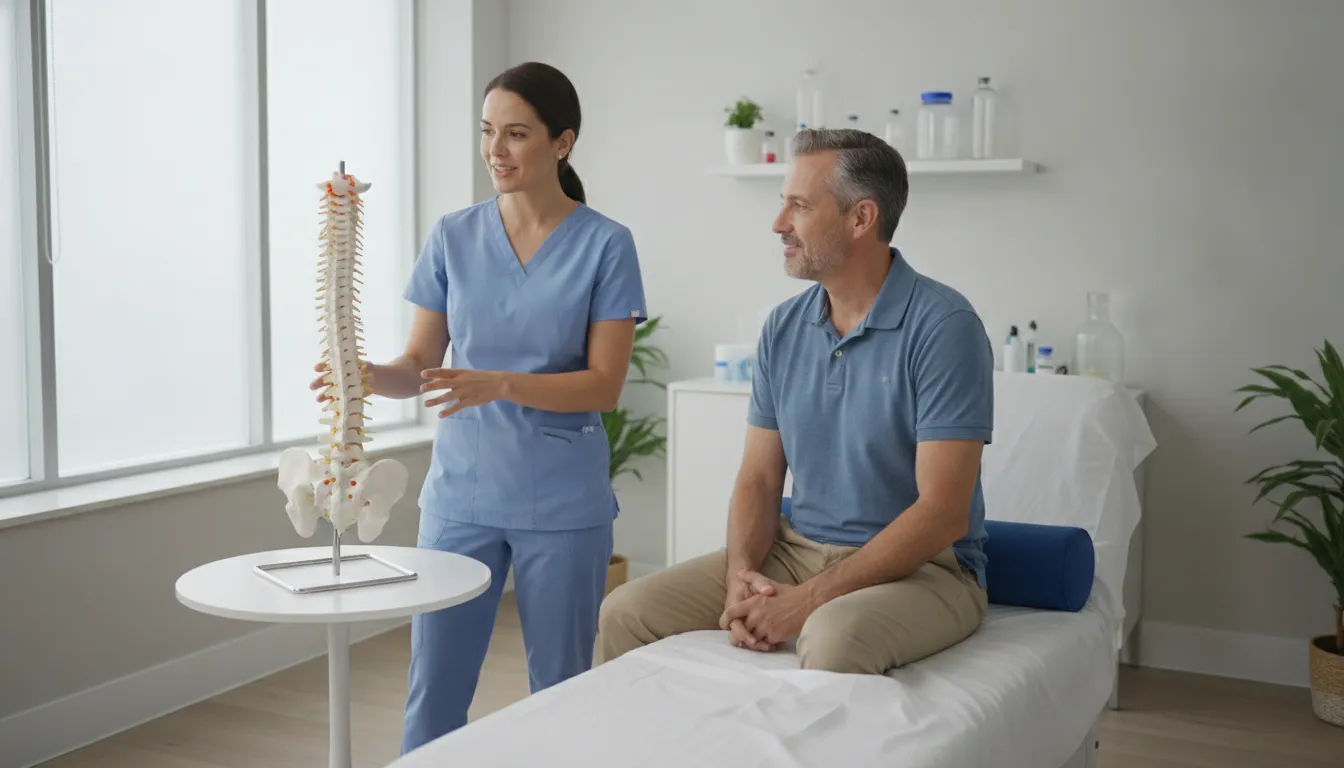

When you tear a muscle, your body’s quick fix is to patch it with scar tissue. The problem? Scar tissue is weaker and more likely to re-injure. But what if you could heal with real, strong muscle instead? That’s the goal of muscle injury stem cell therapy. This innovative muscle regeneration therapy uses your body’s own master cells to rebuild damaged fibers from the ground up. Instead of a temporary patch, this approach supports genuine stem cell therapy muscle repair, helping you build back stronger and more resilient than before.
Key Takeaways
- Focus on True Regeneration, Not Just Symptom Relief: Stem cell therapy works by rebuilding damaged muscle fibers from the inside out. This approach encourages the growth of strong, healthy tissue instead of weak scar tissue, leading to a more complete and lasting recovery.
- Not All Stem Cells Are Equal: For muscle repair, young and potent umbilical cord-derived stem cells offer a significant advantage. Their robust healing potential often surpasses that of older cells harvested from a patient’s own body.
- Choose a Provider Who Prioritizes Precision and Safety: As a minimally invasive alternative to surgery, the success of stem cell therapy depends on the provider. Ensure you select an FDA-compliant clinic that uses imaging guidance for precise injections, which is essential for an effective treatment.
How Stem Cell Therapy Heals Muscle Tears
When you’re dealing with a muscle tear, whether from a sports injury or everyday strain, the healing process can feel frustratingly slow. Traditional methods often focus on managing symptoms with rest, ice, and anti-inflammatory drugs, but they don’t always address the underlying tissue damage. This is where regenerative medicine offers a different path forward. Instead of just masking the pain or waiting for your body to slowly patch things up, stem cell therapy is designed to actively work with your natural repair systems to rebuild and restore the injured muscle tissue from the inside out.
Think of stem cells as your body’s master cells, like a blank slate with incredible potential. They have the remarkable ability to develop into many different types of specialized cells. When introduced to a damaged area, they receive signals from the injured tissue that tell them what kind of cells are needed for the repair. This process helps your body regenerate healthy, functional muscle fibers rather than forming weak scar tissue, which can be prone to re-injury. It’s a proactive way to support healing that focuses on true restoration, helping you regain strength and function more effectively and potentially avoid more invasive procedures down the road.
Understanding the Body’s Natural Repair Process
To appreciate how stem cell therapy enhances healing, it’s helpful to first understand your body’s own playbook for recovery. The process is more complex than you might think, and some of our go-to habits for managing pain might actually be working against us. When you have an injury, the body initiates a sophisticated series of events designed to repair the damage. Understanding this natural cascade is the first step in seeing why regenerative approaches are so effective. Let’s look at the two sides of the coin: the essential role of inflammation and the potential downside of common pain relievers.
The Protective Role of Inflammation
When you get injured, your first instinct might be to fight the swelling and redness, but inflammation is actually a critical first step in healing. Think of it as your body’s emergency response system. This initial inflammatory phase sends out signals that recruit your own stem cells to the damaged site, essentially calling in the construction crew to begin repairs. Without this crucial signal, the healing process can’t effectively begin. It’s the body’s way of cleaning up debris and laying the groundwork for new, healthy tissue to grow. So, while it can be uncomfortable, this natural response is the starting gun for your recovery.
Why Common Pain Relievers Can Hinder Healing
Given that inflammation is a key part of healing, what happens when we try to shut it down? Many of us instinctively reach for over-the-counter NSAIDs like ibuprofen or seek steroid injections to reduce pain and swelling. While these can provide temporary relief, research shows they can interfere with the body’s natural repair mechanisms. By blocking inflammation, you might also be blocking the very signals needed to call stem cells to the injury. This can lead to slower muscle healing and the formation of more scar tissue, which is weaker and less functional. This is why focusing on true regeneration, rather than just masking symptoms, is so important for a full and lasting recovery.
How Stem Cells Trigger Muscle Repair
When we introduce mesenchymal stem cells into a torn muscle, they act like a highly skilled construction crew arriving at a worksite. These cells can differentiate, or transform, into new muscle cells to replace the ones that were damaged. But their job doesn’t stop there. They also release powerful growth factors that reduce inflammation and signal your local cells to get to work. One of their most important functions is promoting angiogenesis, which is the formation of new blood vessels. This improved blood flow brings essential oxygen and nutrients to the injury site, creating the ideal environment for a robust and thorough repair.
What Is Regenerative Healing?
Regenerative healing is all about amplifying your body’s incredible, built-in capacity to heal itself. After an injury, your body initiates an inflammatory response, which is a crucial first step that calls repair cells to the area. Stem cell therapy enhances this natural process. The cells are drawn to the inflammation and work in harmony with your system to manage it effectively while rebuilding the damaged structures. This approach to Pain Management aims to resolve the root cause of your discomfort, not just quiet the symptoms. The goal is to restore the muscle to its original strength and function, leading to lasting relief and a lower likelihood of future problems.
Which Stem Cells Are Used for Muscle Injuries?
When it comes to regenerative medicine, the source of the stem cells is a crucial piece of the puzzle. Not all stem cells are created equal, and where they come from can significantly influence their ability to repair and regenerate damaged tissue. Think of it like choosing the right tool for a job; the right type of stem cell can make all the difference in your healing journey. Understanding these differences is the first step in making an informed decision about your treatment.
The cells used in therapy can be sourced from a patient’s own body or from a donor. At Miami Stem Cell, we exclusively use ethically sourced, umbilical cord-derived mesenchymal stem cells because we believe they offer the most powerful and consistent results for tissue repair. Let’s explore the different types of stem cells used for muscle injuries and why the source matters so much.
An Introduction to Muscle Stem Cells (MuSCs)
Your body has its own specialized team for muscle repair called Muscle Stem Cells, or MuSCs. Think of them as a dedicated repair crew living inside your skeletal muscle, ready to jump into action after an injury. Their main job is to create new muscle cells to replace damaged ones. As one study on skeletal muscle repair highlights, these cells are fundamental to how our bodies heal from strain and trauma. While MuSCs are incredible, a major challenge has been cultivating them in a lab for therapeutic use without them losing their powerful regenerative abilities. This is why our approach at Miami Stem Cell focuses on using umbilical cord-derived mesenchymal stem cells, which are highly potent and readily available to support your body’s natural healing process without these limitations.
Introducing Umbilical Cord Stem Cells (MSCs)
Umbilical cord-derived mesenchymal stem cells (MSCs) are collected from the umbilical cord tissue of healthy, full-term newborns after a scheduled C-section. This process is completely safe and non-invasive for both the mother and baby. These cells are incredibly potent because they are young, vibrant, and full of life.
What makes them so special for treating muscle injuries is their remarkable versatility. They can differentiate into various cell types, including muscle cells, and are packed with growth factors that signal your body’s natural healing mechanisms to kick into high gear. This combination helps reduce inflammation, repair damaged fibers, and regenerate healthy tissue, getting you back to your life faster.
What Are the Other Stem Cell Sources?
Another common approach in regenerative medicine involves using stem cells from the patient’s own body, a method known as autologous therapy. In these treatments, stem cells are typically harvested from adipose (fat) tissue or bone marrow, often from the hip bone. Once collected, the cells are processed and then reinjected into the injured area.
While using your own cells might sound appealing, there are some limitations. The quantity and quality of your stem cells decline as you age. They’ve also been exposed to the same environmental factors and health conditions that you have. For this reason, an older individual’s cells may not have the same robust regenerative potential as the younger, more pristine cells found in umbilical cord tissue.
Why We Prioritize Umbilical Cord Stem Cells
We choose to use umbilical cord-derived MSCs for a clear reason: they provide the highest potential for healing. These cells are immunologically privileged, meaning they have a very low risk of being rejected by the body. Because they are sourced from healthy, screened donors, they represent a pure and powerful tool for regeneration. They haven’t been impacted by aging or disease, so their ability to repair and rebuild is at its peak.
Our commitment to providing safe and effective care is reflected in our choice of cells. By using these potent, young stem cells, we can offer a consistent and high-quality treatment that aligns with strict US safety standards. This focus on quality is central to helping our patients achieve the best possible outcomes for their muscle injuries and overall health. You can learn more about the importance of USA-based stem cell treatments and the standards we uphold.
Can Stem Cell Therapy Treat Your Muscle Injury?
Stem cell therapy is a versatile treatment that can address a wide range of muscle and tendon injuries. Whether you’re dealing with a sudden tear from a weekend game or a nagging injury that just won’t heal, regenerative medicine offers a path toward recovery by working with your body’s natural healing mechanisms. This approach is effective for many common injuries, from the shoulders to the knees and feet, helping you get back to your life with less pain and improved function.
For Common Sports Injuries
If you’re an athlete or just enjoy an active lifestyle, you know how frustrating a sports injury can be. Common issues like tendonitis, ACL tears, and MCL tears often come with long and difficult recovery periods. Stem cell therapy can be a game-changer by helping to accelerate your body’s repair process. By introducing a high concentration of powerful stem cells directly to the injured area, we can support tissue regeneration and reduce inflammation. This approach helps you manage pain and can shorten your overall recovery time, getting you back to the activities you love sooner than you might expect.
The High Incidence of Muscle Injuries in Sports
If you’re active, you know that muscle injuries are an unfortunate reality. They make up a huge portion of sports injuries—as much as 55%—and the way our bodies heal them isn’t always ideal. When a muscle tears, your body’s first response is to create scar tissue. While it’s a fast patch-up job, this scar tissue is weaker and more likely to tear again. This can lead to chronic pain and a frustrating cycle of re-injury, especially when traditional methods like RICE don’t lead to a complete recovery.
This is exactly why regenerative medicine is changing the game for athletes and active people. Instead of just managing symptoms, stem cell therapy offers a non-surgical way to address the injury at its source. By introducing a high concentration of powerful, young stem cells to the damaged muscle, the treatment helps your body reduce inflammation and regenerate strong, healthy tissue. The goal is to move beyond a temporary fix and truly rebuild the muscle, helping you achieve a more complete and lasting recovery.
Repairing Rotator Cuff and Tendon Tears
Shoulder pain from a rotator cuff injury can be debilitating, making even simple tasks feel impossible. While surgery is often presented as the only solution, it’s not always necessary. For partial tears or smaller full-thickness tears, stem cell therapy offers a promising non-surgical alternative. The treatment focuses on healing the damaged tissue from within, which can reduce pain and restore mobility without the long recovery and rehabilitation associated with surgery. This makes it an excellent option for many people who want to improve their joint function and avoid going under the knife.
Treating Both Old and New Muscle Injuries
Muscle injuries fall into two main categories: acute and chronic. Acute injuries happen suddenly, like a pulled hamstring during a sprint. Chronic injuries, on the other hand, develop over time from repetitive stress or an old injury that never fully healed. Conditions like tennis elbow, plantar fasciitis, and persistent tendon tears are common examples. Our stem cell treatments are effective for both types of injuries because they target the underlying problem: damaged tissue. For chronic issues, stem cells can restart a stalled healing process, helping to finally repair tissue that has been inflamed and weakened for months or even years.
Why Choose Stem Cell Therapy for Muscle Tears?
When you’re dealing with a muscle tear, your main goals are to heal correctly, manage the pain, and get back to your life as quickly as possible. Traditional treatments often involve long recovery periods or invasive procedures. Stem cell therapy offers a different path, one that works with your body’s own healing mechanisms to repair the damage from the inside out. This approach focuses on true regeneration, not just patching the problem. The benefits extend beyond simple repair, helping you build a stronger foundation for long-term health and mobility. Let’s look at the three main advantages of using stem cell therapy for muscle injuries.
Heal Naturally with Minimal Scarring
One of the biggest challenges with muscle injuries is scar tissue. While it’s a natural part of healing, excessive scarring can leave the muscle weaker and more prone to future injury. Stem cell therapy helps guide a more organized and effective healing process. The mesenchymal stem cells we use send signals that encourage your body’s own cells to rebuild damaged tissue. This process supports natural muscle tissue restoration cell by cell, leading to stronger, more flexible muscle fibers. By promoting this kind of regenerative healing, stem cells can help minimize scar tissue formation, allowing the muscle to heal closer to its original strength and function.
Find Pain Relief Without Surgery or Drugs
Living with a muscle tear can be painful, and the thought of surgery or a long-term reliance on pain medication isn’t appealing. Stem cell therapy offers a powerful alternative to surgery and strong medications. The procedure is minimally invasive, involving a precise injection directly into the injured area. The stem cells have natural anti-inflammatory properties that help reduce swelling and pain at the source. Instead of just masking symptoms, this treatment addresses the underlying injury, allowing your body to heal without the risks, downtime, and potential complications associated with a surgical procedure. This makes it an excellent option for anyone looking to avoid the operating room.
Speed Up Recovery and Regain Mobility
Getting back on your feet and returning to the activities you love is a top priority after an injury. Because stem cell therapy accelerates your body’s natural repair processes, it can significantly shorten your recovery time. Many patients report feeling less pain and seeing improved function within just a few weeks. By regenerating healthy tissue and reducing inflammation, the treatment helps you regain function and mobility more quickly than with rest alone. This faster, more efficient healing means less time spent on the sidelines and a quicker, more confident return to your daily routine, work, or sport.
Stem Cell Therapy vs. Traditional Treatments
When you’re dealing with a muscle tear, you want a solution that doesn’t just mask the pain but actually fixes the problem. Traditional treatments often involve rest, physical therapy, medication, or in serious cases, surgery. While these methods have their place, they don’t always address the underlying tissue damage. Regenerative medicine offers a different approach by focusing on healing the injury from within. Instead of just managing symptoms, stem cell therapy aims to repair the damaged muscle fibers, helping you get back to your life with less downtime and more lasting results.
Why Choose Regenerative Medicine Over Surgery?
Surgery is often seen as a last resort for severe muscle tears. It’s an invasive procedure that involves cutting through healthy tissue to repair the damage, which can lead to a long recovery period, scarring, and a risk of complications. Stem cell therapy, on the other hand, is a minimally invasive alternative. The procedure involves a simple injection that delivers powerful regenerative cells directly to the injury site. This approach supports your body’s natural healing mechanisms without the need for incisions or general anesthesia. For many people, regenerative medicine provides an effective path to healing while keeping surgery as a potential option if it’s ever needed.
What Do the Long-Term Results Show?
Traditional treatments like pain medications or steroid injections can provide temporary relief, but they don’t repair the torn muscle. They simply cover up the symptoms, and the pain often returns once the medication wears off. Stem cell therapy works differently by targeting the root cause of your pain. The goal is to stimulate genuine tissue restoration, cell by cell. By helping your body rebuild and strengthen the damaged muscle, this therapy can offer significant, long-lasting pain reduction and improved function. Many of our patients find that addressing the injury at a cellular level gives them the durable results that other treatments couldn’t provide.
Breaking Down Costs and Insurance Coverage
It’s important to know that most insurance companies do not currently cover stem cell therapy, so it is typically an out-of-pocket expense. While the initial cost may be a consideration, it’s helpful to view it as an investment in your long-term health. When you factor in the potential costs of surgery, co-pays for physical therapy, and long-term medication expenses, regenerative medicine can be a financially sound choice. The duration of the therapy’s effects depends on your age, the severity of your injury, and your overall health. We create a personalized treatment plan for every patient to ensure the best possible outcome.
Your Stem Cell Therapy Procedure: What to Expect
Deciding to pursue a new treatment can bring up a lot of questions. We believe the process should be clear, comfortable, and centered around you. From your first conversation with us to your final follow-up, our team is here to guide you. We’ve broken down the journey into three simple phases so you know exactly what to expect when you come to our clinic for stem cell therapy. It’s a straightforward path designed to get you back to feeling your best.
Step 1: Your Consultation and Assessment
Everything begins with a conversation. If you’re dealing with muscle pain, swelling, or limited movement and want to find a solution that doesn’t involve surgery, your first step is to schedule a consultation. During this initial meeting, you’ll sit down with one of our specialists to discuss your specific injury, your health history, and what you hope to achieve. This is your opportunity to ask questions and for us to determine if stem cell therapy is the right fit for your condition. We’ll create a personalized assessment and make sure you feel confident and informed about your treatment choices before moving forward.
Step 2: The Guided Injection Process
The procedure itself is precise and minimally invasive. We inject live, umbilical cord-derived mesenchymal stem cells directly into the injured muscle tissue. To ensure the cells reach the exact area where they’re needed most, we use advanced imaging technology, like ultrasound, to guide the injection. This precision is key to an effective treatment. Once injected, these powerful stem cells signal your body’s natural repair mechanisms, helping to rebuild damaged tissue, reduce pain, and restore function from within. The entire process is performed right here in our clinic and is designed for your comfort.
Step 3: Your Personalized Aftercare Plan
After your treatment, your body gets to work healing. It’s normal to experience some minor swelling or inflammation at the injection site; this is actually a positive sign that the regenerative process has begun. We’ll provide you with a detailed aftercare plan, which typically includes avoiding anti-inflammatory medications for several weeks and limiting strenuous activity while the tissue repairs itself. While some patients report immediate pain management benefits, the full effects of tissue regeneration unfold over time. Many people notice significant improvements in pain and function within about six weeks as the muscle continues to heal and strengthen.
Is Stem Cell Therapy Right for You?
Deciding if stem cell therapy is the right path for your muscle tear involves looking at your specific injury, health history, and treatment goals. While many people can benefit from regenerative medicine, a thorough consultation is the only way to know for sure. The ideal candidate is often someone looking for a non-surgical solution to restore function and get back to their life with less pain. Let’s walk through some of the key factors that help determine if you’re a good fit.
Who Makes a Good Candidate?
You don’t have to be a professional athlete to be a great candidate for stem cell therapy. This treatment is successfully used to help heal injuries caused by overuse, aging, or sports. Your overall health is more important than your age. We look for patients who are generally healthy and can support the body’s natural healing process after the procedure. Whether you have a recent sports injury or a chronic issue that has developed over time, regenerative medicine can be an effective option. A personalized pain management plan starts with understanding your unique health profile and goals.
An Option When Other Treatments Have Failed
Have you already tried physical therapy, rest, and anti-inflammatory medications without getting the relief you need? If so, you might be an excellent candidate for stem cell therapy. For many people with injuries like rotator cuff tears, this approach offers a promising alternative to surgery. It’s for those who want to avoid the long recovery times and potential complications of an invasive procedure. By focusing on joint regeneration and tissue repair at the source, stem cell therapy can help where other treatments have fallen short, offering a path toward lasting healing.
Why Safety and FDA Compliance Are Non-Negotiable
It’s important to understand the regulatory landscape. The FDA has approved specific stem cell products for certain conditions, but treatments for muscle tears are still considered investigational. This is why choosing a clinic that prioritizes safety and adheres to strict guidelines is so important. At Miami Stem Cell, we operate with full transparency and follow FDA regulations for tissue sourcing and handling. Our commitment is to provide treatments that are not only effective but also administered with the highest standard of patient care. This is a key difference between USA-based treatments and those found overseas.
Understanding the Risks and Limitations
Any medical treatment, from taking an over-the-counter pain reliever to undergoing major surgery, comes with its own set of considerations. We believe that an informed patient is an empowered patient, so it’s important to have a clear and honest conversation about the potential risks and limitations of stem cell therapy. Understanding the full picture helps you make the best decision for your health and healing journey. While regenerative medicine offers a promising path forward for many muscle injuries, it’s essential to approach it with realistic expectations and a solid grasp of the current science.
A Transparent Look at Potential Side Effects
Because stem cell therapy for muscle tears is a minimally invasive procedure, the risks are significantly lower than those associated with surgery. The most common risk is a small chance of infection at the injection site, which is a possibility with any type of injection. Our clinical team follows strict sterile protocols to minimize this risk. After your procedure, you should contact us immediately if you experience severe pain, bleeding, excessive swelling, or a fever. These symptoms are rare, but we want to address any concerns you have right away to ensure a safe and smooth recovery.
What Does the Current Research Say?
The field of regenerative medicine is advancing quickly, and regulations are evolving alongside it. Currently, the FDA has not granted full approval for stem cell therapies to treat muscle tears. However, we operate in full compliance with all existing FDA guidelines for cellular products. This commitment to safety is why we exclusively use umbilical cord-derived mesenchymal stem cells from carefully screened, reputable tissue banks. Following these strict standards is a key difference between our clinic and many overseas operations. Understanding the importance of choosing a compliant provider in the U.S. is crucial for receiving the safest, highest-quality care available.
Challenges in Stem Cell Cultivation and Cost
While the science behind regenerative medicine is incredibly exciting, it’s also important to acknowledge the challenges researchers are working to solve. One of the biggest hurdles has been figuring out how to grow a patient’s own muscle stem cells in a lab without them losing their powerful repair capabilities. It’s a delicate process, and what works for animal cells doesn’t always translate to human cells. This is one of the reasons we use umbilical cord-derived MSCs. These cells are already young, potent, and available, which allows us to bypass the complex and costly process of cultivating a patient’s own aged cells while still providing a powerful tool for tissue regeneration.
Innovations in Delivery: Biomaterials and Scaffolds
The future of regenerative medicine isn’t just about the cells themselves, but also how we deliver them. Scientists are developing innovative ways to make treatments even more effective using special injectable materials, like hydrogels or scaffolds. Think of these as a protective carrier that helps the stem cells survive and thrive once they’re inside the injured muscle. These advanced materials can also be loaded with growth factors to give the healing process an extra push. While still in the research phase, combining these scaffolds with stem cells has shown very promising results in studies, leading to better muscle function and more complete pain relief.
The Future of Muscle Regeneration: Universal Cells and Gene Therapy
Looking ahead, the field is moving toward even more sophisticated solutions. Researchers are exploring how to create “universal donor cells” that the body won’t reject, which could make treatments more accessible and affordable for everyone. This concept aligns with why we already prioritize umbilical cord-derived MSCs, as they are immunologically privileged and have a very low risk of rejection. This focus on safe, high-quality cell sources is a core part of our commitment to patient care and a key differentiator between compliant U.S. clinics and other options. The ongoing research in this area promises a future where healing from muscle injuries is faster and more complete than ever before.
Setting Realistic Expectations for Your Results
While many of our patients report feeling less pain and seeing improved function within six weeks, it’s important to remember that every person’s healing journey is unique. Your specific outcome will depend on the severity of your injury, your overall health, and how well you follow your aftercare plan. Stem cell therapy can be a powerful alternative to surgery for many rotator cuff tears, sprains, and strains, but it isn’t a guaranteed cure-all. For certain severe injuries, surgery may still be the most appropriate option. We encourage you to read through our patient testimonials to see what’s possible.
How to Choose the Right Stem Cell Clinic
Choosing a stem cell provider is a significant decision in your health journey. The field of regenerative medicine is growing quickly, and not all clinics operate with the same standards of care, safety, or expertise. To get the best possible outcome, you need to do your homework and find a team you can trust. A reputable clinic will be transparent about its procedures, the source of its stem cells, and its commitment to regulatory guidelines.
Your provider should be a partner in your healing process, offering personalized care that addresses your specific condition and goals. Look for a clinic that prioritizes patient education and takes the time to answer all of your questions thoroughly. The right team will make you feel confident and supported from your initial consultation through your entire recovery. Making an informed choice is the first step toward harnessing the power of regenerative medicine to get back to the life you love.
Why FDA Regulations Matter for Your Safety
When you’re exploring stem cell therapy, you’ll hear a lot about the FDA. It’s important to understand what that means for your treatment. Currently, the FDA has only fully approved one type of stem cell product, which is used to treat certain blood disorders. However, clinics can still provide other stem cell therapies as long as they follow the FDA’s strict regulations for safety and processing. This is a critical distinction.
Clinics that adhere to these guidelines are demonstrating a commitment to your safety. They use tissues from reputable sources and process them in a way that minimizes risks. Choosing an FDA-compliant provider in the U.S. ensures you are receiving care that meets high safety and ethical standards, which is not always the case with overseas clinics.
Key Questions to Ask Your Provider
A great provider will welcome your questions. Your consultation is the perfect time to get clarity and ensure you feel comfortable with the treatment plan. Don’t hesitate to ask about anything on your mind.
Start with these essential questions:
- Where do your stem cells come from?
- What is your protocol for ensuring the cells are safe and viable?
- Are you using my own cells or cells from a donor source like umbilical cord tissue?
- What specific experience do you have in treating my condition?
- What results can I realistically expect, and what is the typical recovery timeline?
- How will you ensure the injection is placed in the exact right spot?
The answers you receive should be clear, direct, and backed by science. You can find more answers to common questions on our FAQs page.
Check Their Track Record and Protocols
A clinic’s experience and the specifics of its treatment protocols can tell you a lot about the quality of care you’ll receive. Look for a provider who has a strong track record of treating conditions similar to yours. Patient testimonials and reviews can offer valuable insight into the experiences of others.
Pay close attention to the technology they use. For instance, a top-tier clinic will use live ultrasound or X-ray imaging to guide injections. This ensures the stem cells are delivered precisely to the injured area, which is crucial for effective healing. You should also ask if they customize the number of cells used based on your specific health needs and the severity of your injury. A personalized approach is always better than a one-size-fits-all solution.
Your Stem Cell Therapy Recovery Timeline
The stem cell therapy procedure itself is just the beginning of your healing journey. Recovery is a gradual process where your body uses the new cells to repair damaged tissue. It’s important to be patient and follow your aftercare plan closely to support this natural regeneration. While every person’s experience is unique, understanding the general recovery path can help you feel prepared and confident.
Your body will need time to respond to the treatment, and you play a key role in creating the right environment for healing. This involves managing your activity levels, attending follow-up appointments, and making healthy lifestyle choices. Our team at Miami Stem Cell will be with you every step of the way, providing guidance and support as you regain strength and function.
Week by Week: What to Expect as You Heal
After your injection, it’s normal to experience some mild swelling or soreness at the treatment site. This is actually a positive sign that your body’s healing mechanisms have been activated. We’ll likely advise you to avoid anti-inflammatory medications for a few weeks, as they can interfere with the regenerative process.
While some people feel pain relief almost immediately, the real work of tissue repair happens over weeks and months. Many patients report a noticeable improvement in pain and function within about six weeks. However, the timeline for full healing depends on your specific injury and how your body responds. We provide detailed aftercare instructions to ensure you know exactly what to do to support your recovery.
The Role of Rehab and Follow-Up Care
Your recovery plan is an active partnership between you and our clinical team. We will ask you to limit strenuous activities for a period to allow the stem cells to integrate and begin repairing the muscle. Gentle, controlled movement is often encouraged, as it can improve blood flow and help mobilize the new cells to the injury site.
Follow-up appointments are crucial for tracking your progress. During these visits, we’ll assess how the tissue is healing and adjust your rehabilitation plan as needed. This may include recommendations for physical therapy or specific exercises to help you safely rebuild strength and flexibility. Our goal is to guide you back to your daily activities with a stronger, healthier muscle.
The Importance of Controlled Movement and Exercise
While an initial period of rest is essential, gentle and controlled movement is a critical part of your recovery. Think of it as actively guiding the healing process. Purposeful exercise, as directed by your care team, helps your body grow new blood vessels, which deliver a fresh supply of oxygen and nutrients directly to the injury site. This improved circulation not only nourishes the healing tissue but also helps bring more of the powerful new stem cells to the exact location of the tear. This controlled activity also helps break down disorganized scar tissue, encouraging the formation of strong, flexible muscle fibers. Following a guided movement plan is one of the best ways to support the regenerative work happening inside your body and safely rebuild strength.
How Therapies Like NMES Can Support Healing
In some cases, your aftercare plan may include supportive therapies like Neuromuscular Electrical Stimulation (NMES). This therapy uses safe, low-level electrical currents to gently contract the injured muscle. It’s a way to gain the benefits of movement—like increased blood flow and reduced scar tissue—without putting stress on the healing fibers. This can be particularly helpful in the early stages of recovery when the muscle is still very sensitive. By creating an optimal healing environment, therapies like NMES work in harmony with your stem cell treatment. This approach enhances the natural process of regeneration, helping the new cells work more effectively to rebuild and restore your muscle tissue from the inside out.
How to Get the Best Possible Results
Your recovery timeline and results are influenced by several personal factors. Your age, overall health, genetics, and the severity of the muscle tear all play a role in how quickly your body heals. An acute injury, for example, may respond differently than a chronic condition that has developed over many years.
Your lifestyle choices also have a significant impact. Following your post-procedure instructions, eating a nutritious diet, and avoiding activities that could re-injure the area are essential for a successful outcome. Our team is committed to creating a personalized treatment protocol that considers your unique situation, giving you the best possible foundation for effective healing.
Related Articles
- Rotator Cuff Tear Stem Cell Therapy for Shoulder Pain | Miami Stem Cell
- Cartilage Lesion Treatment & Regenerative Therapy | Miami Stem Cell
Frequently Asked Questions
Is the stem cell injection painful? Most patients describe the injection as feeling similar to a standard shot, with a bit of pressure at the site. We use a local anesthetic to numb the area, so the procedure itself is quite comfortable. You may feel some soreness for a day or two afterward, which is a normal sign that your body’s healing response has been activated.
Why do you use stem cells from umbilical cords instead of my own body? We choose to use umbilical cord-derived mesenchymal stem cells because they are incredibly young, vibrant, and potent. As we age, the quantity and quality of our own stem cells decline. Using pristine, new cells from a screened donor ensures we are working with the most powerful building blocks for tissue repair, which gives you the best possible foundation for healing.
How soon will I feel better after the treatment? Every person’s healing journey is different, but many patients start to notice a significant reduction in pain and an improvement in function around six weeks after the procedure. The therapy works by gradually regenerating tissue, so the results build over time. It’s a process of true healing, not an instant fix.
Will I need more than one treatment? For many acute and chronic muscle injuries, a single, targeted treatment is enough to achieve significant, lasting results. However, your treatment plan is always personalized. For more severe or long-standing conditions, we may discuss the possibility of a follow-up treatment during your consultation to ensure we meet your specific healing goals.
Is this therapy a permanent fix for my muscle tear? The goal of stem cell therapy is to promote genuine, long-term healing, not just provide temporary relief. By helping your body regenerate healthy muscle fibers instead of weak scar tissue, the treatment aims to restore the muscle to its original strength and function. This approach addresses the root cause of the injury, leading to durable results and a lower risk of future problems in that area.