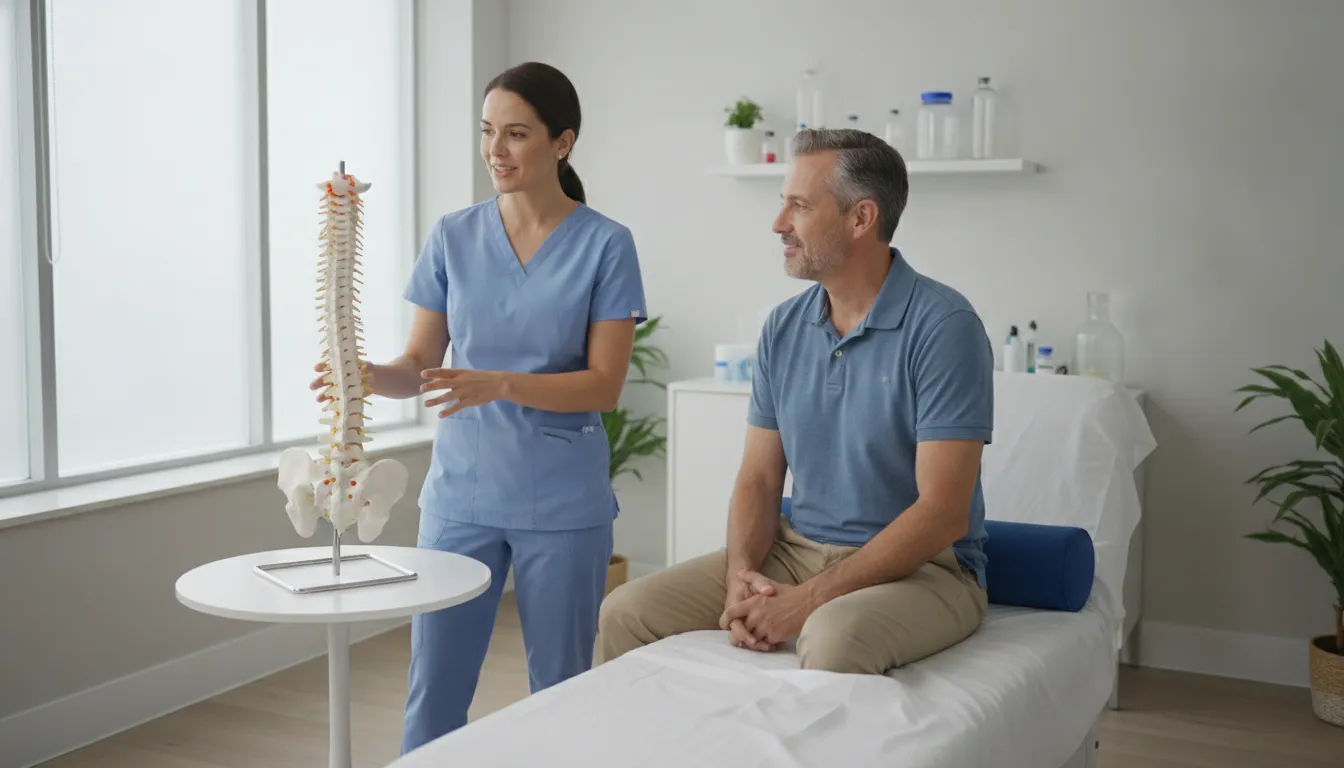

Stem cell therapy can be safe for appropriately selected patients when it is performed by a qualified medical team using careful screening, responsible product sourcing, sterile technique, clear informed consent, and realistic expectations. It is not risk-free, and many regenerative products remain investigational or are not FDA-approved for specific uses. The safest path is to evaluate the clinic, the biologic product, and your own health history before treatment.
Have questions about whether stem cell therapy is appropriate for your condition? Contact Miami Stem Cell to schedule a free consultation.
This guide explains how to think about stem cell therapy safety, what standards patients should ask about, which risks are realistic, and how Miami Stem Cell approaches patient evaluation and follow-up.
The Short Answer: Safety Depends on the Clinic, Product, and Patient
The question is not simply, “is stem cell therapy safe?” A better question is, “what makes a specific treatment safer or riskier for a specific patient?” Safety depends on the patient’s medical history, the condition being treated, the type of product used, how that product was sourced and processed, and how carefully the procedure is planned.
A responsible clinic should not promise that stem cell therapy will cure a condition or guarantee a result. Instead, the provider should explain what is known, what is still investigational, what alternatives exist, and what risks you should consider before deciding.
For many patients, the safety conversation starts with candidacy. A treatment that may be reasonable for one person may not be appropriate for another person with an active infection, uncontrolled medical condition, certain immune concerns, or a medication profile that changes procedural risk. That is why a consultation should include a medical history review, exam, discussion of goals, and a realistic explanation of benefits and limitations.
Patients should also understand that regenerative medicine is a regulated healthcare category. Some products and uses are not FDA-approved, and clinics should be transparent about that status. Clear disclosure is not a weakness. It is a sign that the clinic is taking informed consent seriously.
What Safety Standards Should a Stem Cell Clinic Follow?
Safety starts before a patient ever enters the treatment room. It begins with donor screening, product handling, laboratory standards, documentation, and the ability to trace what was used. Patients should ask direct questions about these controls before choosing a provider.
Donor Screening and Infectious Disease Testing
When umbilical cord-derived products are discussed, donor screening is one of the first safety topics to review. Miami Stem Cell’s knowledge base supports the use of AATB-certified suppliers and screening concepts such as donor medical history review, behavioral risk assessment, physical examination at the time of donation, and infectious disease testing.
Patients can ask the clinic how donors are screened, which infectious disease tests are performed, and whether documentation is available for the product being used. A clinic should be able to explain its sourcing standards in plain language.
AATB-Certified Suppliers and cGMP Processing
AATB certification and cGMP-compliant processing are important quality concepts because they point to structured oversight, documented procedures, and controlled handling. The goal is to reduce avoidable risk through consistent processes rather than informal handling.
cGMP concepts may include clean room controls, validated aseptic technique, environmental monitoring, equipment validation, in-process testing, and final product testing. These processes do not make a therapy risk-free, but they are part of a more responsible safety framework.
Certificates of Analysis and Product Release Testing
A Certificate of Analysis, often called a COA, can help document what was tested before a product was released. Patients can ask whether the clinic reviews documentation for sterility testing, endotoxin testing, viability assessment, potency assays, identity confirmation, mycoplasma testing, and batch records when applicable.
These details may sound technical, but the patient takeaway is simple: the clinic should know what product is being used, where it came from, how it was processed, and whether release testing supports its use.
Why Physician Oversight Matters
Even high-quality product standards do not replace medical judgment. Stem cell therapy is still a medical procedure. Physician oversight helps connect the product, the procedure, and the patient’s actual health needs.
Medical History and Contraindication Screening
A safety-focused evaluation should include a review of current symptoms, prior diagnoses, surgeries, medications, allergies, infections, immune status, and relevant imaging or lab work. The goal is to decide whether a patient is a reasonable candidate and whether another treatment option may be safer or more appropriate.
Patients should be cautious with any clinic that skips the medical history or treats every person as a candidate. Careful screening protects patients from inappropriate procedures and helps set expectations before money is spent.
Sterile Technique and Injection Planning
Procedure planning matters. A provider should explain where the biologic product will be placed, why that location was selected, how sterile technique is maintained, and what the patient should expect during and after the procedure.
Sterile technique is especially important because infection is one of the realistic risks of injection-based procedures. Patients should ask who performs the procedure, what training they have, and what safety steps are used in the treatment room.
Follow-Up and Adverse Event Monitoring
Safety does not end when the appointment is over. A responsible clinic should explain what symptoms are expected, what warning signs require urgent attention, how follow-up is scheduled, and how adverse events are tracked.
Miami Stem Cell’s safety framework includes physician oversight, monitoring, follow-up planning, and clear guidance on when a patient should contact the clinic or seek emergency care. Patients should know how to reach the medical team if something feels wrong after treatment.
If you are comparing treatment options, review Miami Stem Cell’s stem cell therapy options and bring your questions to a consultation.
What Are the Realistic Risks of Stem Cell Therapy?
No medical procedure is completely free of risk. Stem cell therapy risks vary based on the product, procedure, patient, and treatment area, but patients should understand both common short-term effects and less common concerns.
Potential side effects can include injection-site soreness, swelling, bruising, temporary fatigue, mild fever, or discomfort after the procedure. Less common but more serious risks can include allergic reaction, infection, worsening pain, bleeding, nerve irritation, or unexpected response to treatment.
Patients also need to understand the uncertainty around long-term outcomes for some regenerative medicine uses. A clinic should not guarantee results, promise a cure, or claim that investigational treatments are risk-free. The consent process should explain the investigational nature of relevant therapies, possible benefits, alternatives, cost obligations, lack of insurance coverage when applicable, and unknown long-term effects.
The safest clinics tend to be the ones that are comfortable discussing limitations. If a provider only talks about benefits and avoids risk, that is a reason to slow down and ask more questions.
What Should Patients Ask Before Treatment?
Before scheduling stem cell therapy, patients should ask practical questions that reveal how the clinic thinks about safety, quality, and follow-up.
- Am I a good candidate based on my diagnosis, medical history, medications, and goals?
- What type of biologic product would be used, and why is it appropriate for my condition?
- Is this treatment FDA-approved for my condition, or is it investigational?
- Where does the product come from?
- Are suppliers AATB-certified or held to comparable tissue banking standards?
- What donor screening and infectious disease testing are performed?
- Is the product processed in a cGMP-compliant facility?
- Can the clinic review a Certificate of Analysis or product release documentation?
- What are the realistic risks and side effects?
- What results are realistic, and what results cannot be promised?
- Who performs the procedure, and what medical oversight is present?
- What sterile technique is used?
- What follow-up is included?
- What symptoms should prompt me to call the clinic or seek urgent care?
- What are my alternatives, including non-regenerative options?
These questions are not meant to make treatment feel intimidating. They help patients make informed decisions and compare clinics more fairly.
How Miami Stem Cell Approaches Safety
Miami Stem Cell focuses on patient education, candidacy review, physician supervision, and responsible regenerative medicine standards. The clinic’s approach emphasizes medical screening before treatment, informed consent, and clear discussion of realistic expectations.
Based on the available customer knowledge base, Miami Stem Cell supports safety concepts including AATB-certified suppliers, donor screening, infectious disease testing, cGMP-compliant facilities, sterile processing concepts, product release documentation, and follow-up monitoring. These controls are intended to reduce avoidable risk while helping patients understand whether treatment may fit their condition.
Miami Stem Cell also recognizes that patients often compare local care with options outside the United States. If you are evaluating treatment abroad, review how safety standards, follow-up, and regulatory expectations can differ. You can compare U.S. and overseas stem cell treatment safety before making a decision.
Most importantly, Miami Stem Cell does not need to tell patients that stem cell therapy is risk-free. A better patient experience comes from transparent education, careful screening, and a consultation that leaves you with clearer questions and realistic expectations.
How to Compare a Safe Clinic With a Risky One
A safer clinic usually has a structured consultation, explains candidacy, discusses risks, and can describe sourcing and processing standards without vague answers. A risky clinic may rely on pressure tactics, broad cure claims, limited medical evaluation, or statements that make treatment sound guaranteed.
Use the comparison below as a quick guide.
| Safety Question | More Reassuring Sign | Warning Sign |
|---|---|---|
| Patient screening | Medical history, exam, contraindication review, and candidacy discussion | Everyone is treated as a candidate |
| Product quality | Clear sourcing standards, donor screening, cGMP concepts, and release documentation | Vague product claims with no documentation |
| FDA status | Transparent discussion of investigational use and non-approved indications | Claims that all treatments are FDA-approved without context |
| Risks | Balanced explanation of side effects, alternatives, and unknowns | Claims that treatment is risk-free |
| Follow-up | Clear post-treatment instructions and contact plan | No defined follow-up or adverse event process |
Still unsure what to ask? Visit the stem cell therapy FAQs or schedule a free consultation with Miami Stem Cell.
Frequently Asked Questions
Is stem cell therapy FDA-approved?
Some stem cell products and uses are FDA-approved in specific contexts, but many regenerative medicine treatments offered for orthopedic pain, wellness, or other conditions are investigational or not FDA-approved for that use. A clinic should clearly explain the regulatory status of the treatment being discussed and should not imply FDA approval where it is not supported.
What are the most common side effects?
Common short-term effects may include soreness, swelling, bruising, temporary fatigue, mild fever, or discomfort near the treatment area. Less common risks can include allergic reaction, infection, bleeding, increased pain, or unexpected response. Your provider should explain risks based on your health history and treatment plan.
How do I know if I am a good candidate?
You need a medical evaluation. A provider should review your condition, symptoms, imaging or labs when relevant, medications, allergies, prior procedures, and overall health. Good candidacy depends on the treatment goal, safety risks, and whether another option may be more appropriate.
Are umbilical cord-derived stem cells screened?
Responsible sourcing should include donor medical history review, behavioral risk assessment, physical examination at donation, infectious disease testing, and quality documentation. Patients can ask whether suppliers are AATB-certified and whether product release testing or a Certificate of Analysis is reviewed.
What should I bring to a consultation?
Bring a medication list, allergy list, prior diagnoses, relevant imaging reports, lab results, procedure history, and a clear description of your goals. It also helps to bring written questions about FDA status, product sourcing, risks, alternatives, cost, follow-up, and expected recovery.
Key Takeaways
- Stem cell therapy safety depends on the patient, product, clinic, procedure, and follow-up plan.
- Patients should avoid any clinic that promises a cure, guarantees results, or says treatment is risk-free.
- Important safety topics include donor screening, infectious disease testing, AATB-certified suppliers, cGMP processing, sterility testing, product release documentation, and informed consent.
- Physician oversight matters because candidacy and contraindications are patient-specific.
- Ask direct questions before treatment and choose a clinic that answers them clearly.
If you are ready to discuss your goals, contact Miami Stem Cell to schedule a free consultation.