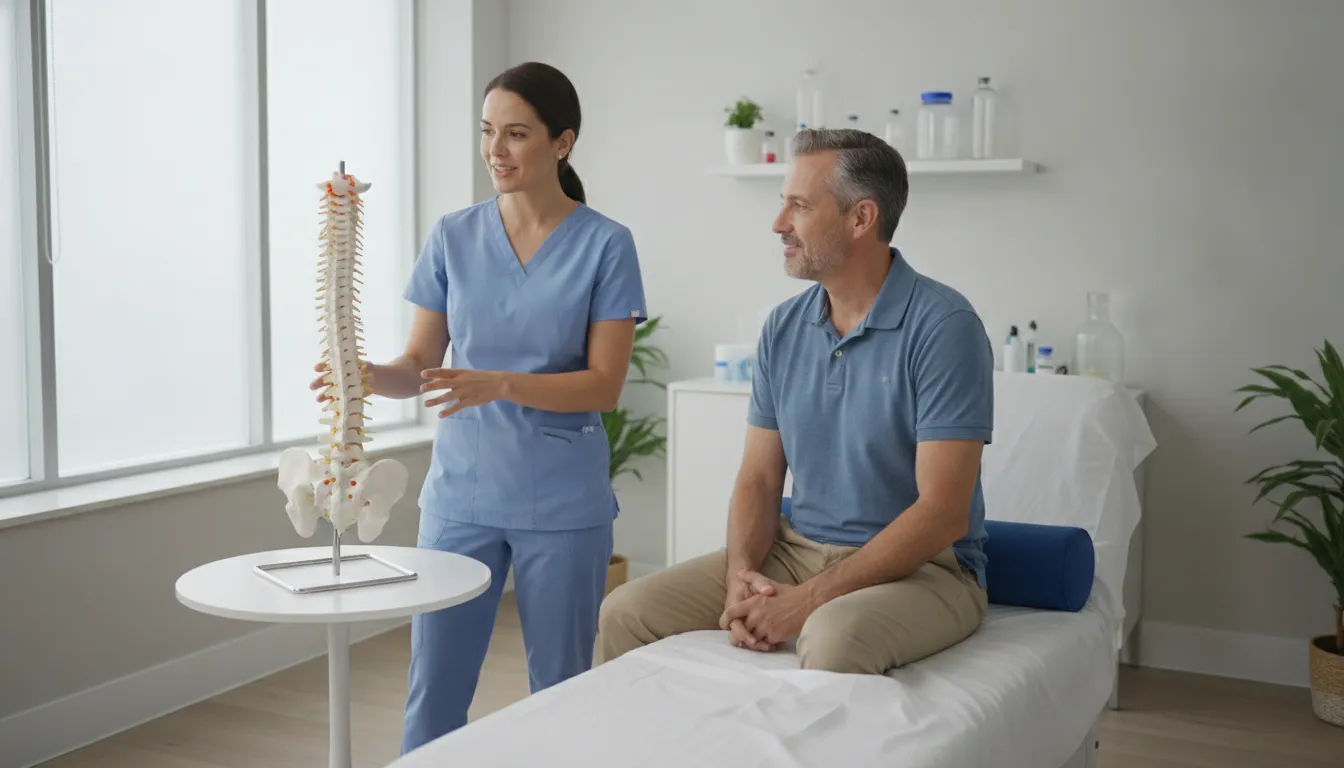

Many patients with joint pain assume surgery is the only way to fix a damaged hip labrum. However, modern medicine offers several paths to heal without going under the knife. These options help you get back to your life with less risk and a faster recovery.
Effective hip labral tear treatment does not always need a trip to the operating room. Most patients find relief through a mix of physical therapy, lifestyle changes, and new regenerative methods. These non-surgical tools focus on making the joint stable and reducing painful swelling in the hip area. New research shows that conservative care can lead to clear gains in both pain levels and how well you move. By using these treatments, you can often avoid the long downtime and risks that come with major surgery. This approach aims to fix the root cause of your pain while helping your body repair itself naturally. Choosing a plan that fits your specific needs is the best way to get back to your life and stay active for years to come.
Understanding your recovery options starts with knowing exactly what is happening inside your hip joint. To find the right treatment, we must first look at the injury itself and answer the question: What is a hip labral tear? The path begins with…
What is a hip labral tear?
The hip joint is a ball and socket structure that lets you move in many ways. A ring of tough tissue called the labrum lines the outer rim of the hip socket. This tissue acts like a seal to hold the ball of the thigh bone in place. It also helps the joint stay stable and spreads out pressure. When this ring of tissue rips, it is known as a hip labral tear.
Hip anatomy and the labrum
The hip labrum plays a key part in joint health. It creates a seal that keeps fluid inside the joint to keep it slick. This seal also adds depth to the socket. This helps the joint bear weight during walks or runs. Research shows the acetabular labrum is a main structure that supports hip move. If the labrum is torn, the joint can lose some stability. This often leads to pain during daily tasks.
How labral tears happen
Many things can lead to a tear in the hip labrum. Sudden hurt from sports or falls is common for active folks. People who play soccer or golf face higher risks due to quick twists. Other tears happen slowly over time. This can be due to wear and tear or hip shapes that cause rubbing. In many cases, non-surgical hip pain treatment options can help manage pain that comes from these issues.
Signs and common symptoms
A hip labral tear often causes a deep ache in the groin or front of the hip. You might also feel a click or a catch when you move your leg. Many people find that sitting for a long time makes the pain worse. It is vital to find the cause of these pains early. If you have hip pain, you may want to look into stem cell therapy for hip regeneration to help your joint heal.
How can you recognize hip labrum tear symptoms?
Knowing the signs of a hip labrum tear can help you find relief sooner. This injury is part of the ring of cartilage that follows the rim of your hip joint socket. Many people feel a deep ache in the groin or the front of the hip. Some may notice a clicking sound when they move their leg. These signs can make daily tasks like walking or sitting for a long time feel hard.
Common signs of a labrum tear
The most common sign of a tear is pain in the groin area. You might also feel pain that spreads to your buttock or the side of your hip. Some people say it feels like their hip is catching or locking when they move. This often happens when you twist your hip or try to squat. You may notice these signs more often:
- Sharp pain when you run or jump.
- A dull ache that stays during rest.
- A feel of catching deep in the hip joint.
- Pain that gets worse after you sit for a long time.
Stiffness and less range of motion are also common issues. You may find that your hip feels tight when you try to put on your shoes or get out of a car. In some cases, people find that non-surgical care helps them return to sports in 3 to 6 months.
Finding red flags and other causes
It can be hard to tell a labral tear apart from other hip issues. Many patients use a “C-sign” to show where it hurts. This is when you put your hand on your hip with the thumb in the back and fingers in the front. This often points to a problem deep inside the joint. This sign is a major hint for doctors when they start a checkup.
Other issues like bursitis or muscle pulls can cause pain that feels the same. But a labral tear often comes with a feel that the joint is not steady. It may feel like your hip might give way when you stand or walk. Finding the right non-surgical hip pain treatment options starts with a clear look at these signs.
Hip pinching, also called impingement, is another cause. This happens when the hip bones do not fit together well. The bones can rub against the labrum and cause a tear over time. You might feel a sharp pinch when you pull your knee to your chest. Many people mistake this for a simple muscle pull. But if the pain stays for weeks, it likely needs an expert exam.
When to seek a hip exam
You should see a doctor if your hip pain does not go away with rest. If you hear loud pops or feel your hip lock, it is time to get help. Early care can help prevent more damage to the joint over time. Waiting too long can lead to more wear on the cartilage.
A doctor can check how well you move and look for signs of a tear. Getting an exam early is key for your hip labral tear treatment success. Once the doctor finds the tear, they can help you start a plan to ease the pain. This might include physical therapy to make the muscles around the joint stronger and more stable.
How is a hip labral tear diagnosed?
Getting the right diagnosis is the most key part of finding the best hip labral tear treatment. The hip is a hard joint, and many issues can cause groin or hip pain. Doctors must rule out other problems like arthritis to ensure you get the care you need.
Reviewing your health history
The process often starts with a deep look at your health history. Your doctor will ask when the pain began and what acts make it feel worse. They also want to know about past sports injuries or falls. Some people feel pain in the groin, while others feel it deep in the hip. Since hip labral tears are common in athletes, sharing your past helps your provider find the root cause. This talk helps them see if your pain is from a sudden injury or a slow wear on the joint. It also helps rule out other causes like a pulled muscle or nerve pain.
The physical exam
During the exam, your doctor will check how well your hip moves. They often use a move called the FADIR test. This needs bending your hip, pulling it toward your body, and turning it inward. If this causes sharp pain, it may show a tear in the labrum. They will also look for signs of clicking, locking, or catching in the joint. These physical clues are key to choosing the best non-surgical hip pain treatment options for your case. A good exam can narrow down the source of pain before you even get a scan.
- Detailed health talk. You will discuss your pain, past injuries, and daily habits to help the doctor understand your hip health.
- Physical hip tests. The doctor will move your leg in specific ways to see if they can trigger your symptoms or feel a catch in the joint.
- Initial X-rays. While X-rays do not show the labrum itself, they can reveal bone issues like hip impingement that often lead to tears.
- MRI or MRA scans. A magnetic resonance imaging (MRI) scan provides a clear view of the soft tissues, including the labrum and cartilage.
- Joint injection. In some cases, a numbing shot is put into the joint. If the pain goes away fast, it shows the joint is the source.
Matching scans to symptoms
It is vital to know that an MRI scan alone does not tell the whole story. Many people have labral tears that show up on scans but do not cause any pain. Your doctor must match what they see on the scan with the pain you feel during the exam. This step ensures that your stem cell therapy for hip regeneration or other care targets the true cause of your pain. If the scan shows a tear but you have no pain in that spot, the tear might not be the problem.
By linking your scans with your symptoms, your team can build a plan that works for you. This way helps you avoid surgery that is not needed and helps you focus on healing. It also ensures that your hip labral tear treatment plan addresses the root cause of your hip pain.
Non-surgical hip labral tear treatment options
Many people find relief from hip pain without ever needing a surgical path. For athletes and active adults, a plan that uses non-surgical hip pain treatment options is often the first and best choice. This type of care aims to lower pain while helping the hip joint work better. It focuses on the root cause of the problem instead of just the symptoms.
Clinical tests show that non-surgical care can lead to clear gains in how well you move and feel. One study found that people with labral tears saw real gains in pain levels and function after using these methods. These plans work best when a doctor makes them fit your own body and goals. You can get back to the life you love.
Rest and activity changes
The first step in a non-surgical plan is often a change in your daily life. Resting the hip joint gives the torn tissue a chance to settle. It also helps to stop the swelling that causes much of the pain. You may need to stop playing sports or doing heavy work for a short time. This rest is not about being still all day, but about avoiding moves that pinch or stress the joint.
A doctor will help you find which moves to avoid. For example, you might need to stop deep squats or long runs for a few weeks. By changing how you stand, sit, and walk, you can take the weight off the torn part of the hip. This rest phase is vital because it sets the stage for the next steps of your care.
Physical therapy and hip strength
Physical therapy is a key part of any hip labral tear treatment plan. The goal of these sessions is to make the hip joint more solid. A therapist will teach you how to build strength in the muscles that support the hip. These include the glutes, the core, and the muscles in your upper legs. When these muscles are strong, they take the load off the labrum.
These exercises also help fix the way you move. Many tears happen because the hip does not move in a smooth way. A therapist can find these movement issues and help you fix them. This work helps keep the joint in the right spot as you walk or run. For most people, this part of the plan takes about three to six months to finish.
Medicine and targeted shots
Your doctor may also use tools to help manage pain while you heal. Some pills can help lower the swelling in your joint. These make it easier for you to take part in physical therapy without too much pain. They are often used for a short time to help you get through the hardest part of your recovery. But medicine alone is rarely the whole fix for a labral tear.
In some cases, a doctor might use shots to put relief right into the hip joint. These shots can stop swelling and help the joint feel much better. Some options use stem cell therapy for hip regeneration to help the hip heal. Your care plan will be built just for you to make sure you get the best result for your hip health.
Where may regenerative medicine fit?
Choosing a hip labral tear treatment path depends on your goals and the injury’s scale. Most doctors suggest starting with simple care to manage pain and help you move better. If these steps do not give enough relief, regenerative medicine or surgery may be the next steps.
Simple care first
Simple management is a common first step for many. This path often includes physical therapy, changes to how you move, and drugs to lower swelling. Research shows that physical therapy helps reduce pain and improve hip work, mainly for athletes. These non-surgical hip pain treatment options aim to make the joint steady without a deep cut.
Regenerative medicine check
When rest and therapy are not enough, a medical check can help you find other paths. These treatments use your own cells to help the body’s natural work. While stem cell therapy for hip regeneration is a modern choice, it does not promise the labrum will grow back. Instead, it aims to lower pain and help joint health so you can skip or delay a big surgery.
Comparing treatment paths
Choosing between therapy, regenerative tools, and surgery takes a clear look at each. You should pick a plan for your own case with a medical pro.
| Treatment Type | Main Goal | Common Method | Recovery Time |
|---|---|---|---|
| Simple Care | Lower pain and steady the joint | Physical therapy and rest | 3 to 6 months |
| Regenerative Medicine | Help healing and lower pain | Stem cell or PRP therapy | Weeks to months |
| Surgical Repair | Fix the tear or joint shape | Joint surgery | 6 to 9 months |
When surgery is the path
Surgery is often the last step when other paths fail to give relief. While it can fix the joint’s shape, it also has a long recovery and more risks. Patients often look for alternatives to hip replacement surgery or repair to stay active without a long stay in bed.
Can a hip labral tear heal without surgery?
Many patients can manage a hip labral tear without going into an operating room, as non-surgical care often helps people reduce pain. This helps them return to their daily lives while avoiding the risks of a surgical procedure. The main goal of non-surgical hip pain treatment options is to ease symptoms while the body rests. Doctors usually try these simple methods first before they think about surgery. This path allows you to stay active while you work on long-term joint health.
Goals of non-surgical treatment
The first step in hip labral tear treatment is to lower inflammation. This helps stop the sharp pain that many people feel when they move their hip. You may need to rest and change how you do your daily tasks. Avoiding movements that hurt the joint gives the tissue time to rest. For example, you might avoid deep squats or sitting for too long.
Doctors also suggest using anti-inflammatory drugs. These meds can help reduce swelling and pain in the joint. Keeping the area calm helps you start moving again without making the tear worse. For many, this simple start is enough to see a big change in how they feel. Using these tools helps you manage symptoms while the body begins to heal.
Physical therapy and hip stability
Physical therapy is a key part of healing without surgery because it helps you build strength in the muscles around the joint. When these muscles are strong, they take the load off the labrum. This helps the hip stay stable and move in the right way. Your therapist may give you exercises to strengthen your core and glutes.
Research shows that conservative management of labral tears can lead to real gains in pain and function. Therapists teach you how to move to avoid putting stress on the tear. This work focuses on better hip biomechanics. Improving how you walk and move can help prevent the pain from coming back in the future. These sessions help you regain your range of motion safely.
Recovery timelines and what to expect
How long it takes to heal depends on the size of the tear and your goals. Many people start to feel better after just a few weeks of rest and therapy. If you are an athlete, you may need more time to get back to full speed. A return to sports often takes between three and six months. You should not rush this process as the joint needs time to get strong again.
Each person needs a plan made just for them, and some people find that alternatives to hip replacement surgery help them stay active. If these steps do not help after several months, you may then talk to a surgeon. But for most, a non-surgical path is a safe and effective way to get back to life. Regular check-ups help ensure your recovery stays on the right track.
Choosing the right hip labral tear treatment
Every hip is unique. The right choice for your hip labral tear treatment depends on your goals and your daily pain. In Miami, our team looks at your health and how you move to find the best plan. We want to find the root cause of your pain, not just hide the signs. This help starts with a full talk about your life and what you hope to do each day. We aim to help you get back to the things you love without the need for a big surgery.
A personal clinical check
A good plan starts with a close look at your hip joint. Our team uses over 15 years of work to see how your hip moves in real life. We have done more than 8,000 treatments for people with joint pain. We check how much you can bend and where it hurts the most. This help is vital to see if you need non-surgical hip pain treatment options or a new path. Our goal is to give you a clear map for your healing journey. We use data from your past health to pick the right tools for your care and make sure you know what to expect.
How to pick your path
For many people, the first step is to try a path that does not involve surgery. This often means rest and physical therapy to help the hip joint stay stable. Studies show that these steps can help athletes get back to their sports in three to six months. In fact, research shows that non-surgical care helps many people feel less pain and move much better. You should weigh these gains against the risks and costs of a major surgery. Each case is not the same, so we check every patient one by one to find the right fit. If a tear is very bad, some may need a surgeon. But many people can find relief through other means first. You can also look into stem cell therapy for hip regeneration as a modern choice. This path aims to help your body heal its own tissue using its own cells. It is a smart way to avoid the long rest time that comes with a big hip surgery.
Common questions for your doctor
When you meet with a doctor, you should feel clear about your next steps. Ask these questions to help you decide on the best plan for your life:
- How bad is the tear in my hip and where is it?
- Can physical therapy help me reach my goals for my sport?
- What are the risks if I choose to skip surgery for now?
- How long will it take for me to get back to my normal work?
- Am I a good fit for a regenerative path like PRP or stem cells?
Your doctor will give you the facts you need to make a wise and safe choice. We focus on labrum tear treatment that fits your own needs and daily habits. Taking the time to ask these questions helps you stay in control of your health. Our team is here to guide you and help you live without hip pain.
Frequently Asked Questions
What are the non-surgical treatment options for a hip labral tear?
Doctors often start with simple steps to manage a hip labral tear. These include rest, changing your daily tasks, and physical therapy. Some people also take pain drugs to lower swelling. According to Miami Stem Cell, these methods help many patients find relief without surgery. It is best to work with a medical expert to build a plan that fits your needs.
How long does it take to recover from a hip labral tear without surgery?
The time it takes to heal varies for each person. Many patients feel better in a few weeks with rest and physical therapy. However, a full return to hard tasks may take longer. Research from the National Institutes of Health shows that athletes often need three to six months to get back to their sport. Your doctor will track your progress to ensure your hip is stable and strong enough for daily use.
Can physical therapy help heal a hip labral tear?
Physical therapy is a key part of treating hip injuries without surgery. It focuses on making the muscles around the hip joint stronger and more flexible. This helps make the hip more stable and takes pressure off the labrum. Studies show that patients often see a drop in pain and better hip function after a few months. This approach allows many people to avoid surgery while they get back to their normal life and tasks.
When is surgery necessary for a hip labral tear?
Doctors usually suggest surgery only when other treatments do not work. If physical therapy, rest, and medicine do not lower your pain after many months, you may need a different move. Surgery is often a last resort for those who still have trouble with daily tasks or sports. A medical expert will look at your symptoms and scans to see if surgery is the best move for your health and the way you move.
Ready to treat your hip labral tear without surgery?
Not treating a hip tear now often leads to worse pain and more damage. You may face a much harder path to health if you wait too long to act. Starting a natural healing plan now helps your body get better fast. This can help you heal before the injury gets worse. You can get back to your life without the long rest weeks that come with surgery. Our team is ready to help you find the right way to get relief today. You can take a big step toward moving well and keeping your joints strong. We are here to guide you through every part of your healing journey with care.
Ready to get help? Call (305) 598-7777 to schedule a consultation with our team.