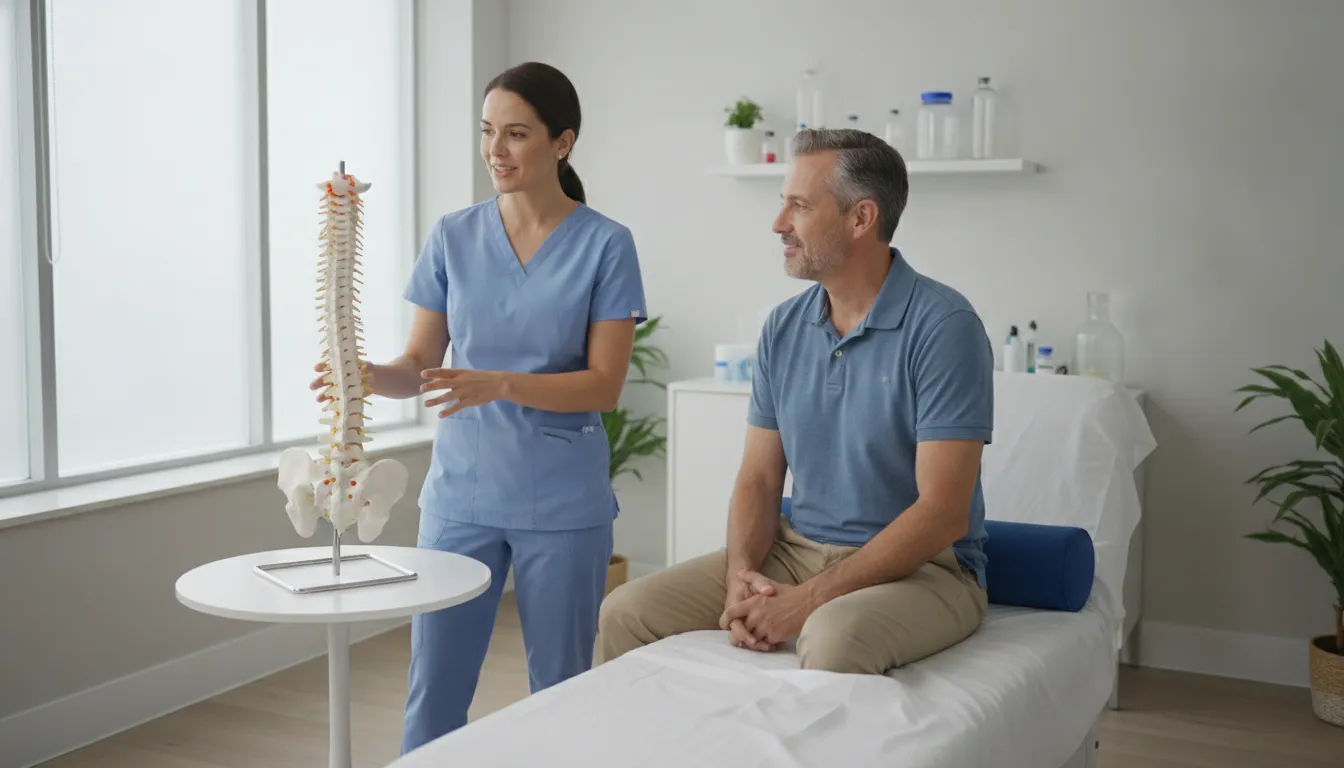

If you’ve been diagnosed with intercostal neuralgia, you’re likely familiar with the cycle of conventional treatments. Pain relievers, anti-inflammatory drugs, and even nerve block injections can provide temporary comfort, but they often act as a bandage, masking the pain without fixing the root problem. This can be frustrating when you’re seeking a long-term solution. Regenerative medicine presents a fundamentally different path. Instead of just silencing pain signals, this approach uses your body’s own healing potential to repair the damaged or inflamed nerves causing the discomfort. Here, we’ll explain how this innovative therapy works for nerve pain.
The discomfort and debilitation caused by intercostal neuralgia can be life-altering. Traditional treatment methods often focus on pain management, but what if we could address the root cause? Stem cell treatment, a pioneering solution, offers new hope. As a leading provider of this cutting-edge therapy, Miami Stem Cell is making strides in South Florida.
Why Do My Ribs Hurt? Understanding Intercostal Neuralgia
Intercostal neuralgia is a painful condition characterized by pain along the intercostal nerves, which are located between your ribs. The pain can be sharp, spasmodic, or aching and is typically felt on one side of the chest. Causes can range from nerve damage due to surgery or injury, to diseases such as herpes zoster (shingles).
Key Symptoms of Intercostal Neuralgia
Recognizing the signs of intercostal neuralgia is the first step toward finding relief. The symptoms can be quite distinct and often follow the path of the nerves between your ribs. While the experience varies from person to person, there are a few classic signs that point to this specific type of nerve pain. Understanding these can help you communicate more effectively with your doctor and get on the right track for a diagnosis. The discomfort isn’t just a simple ache; it has specific qualities and triggers that set it apart from other types of chest or back pain, making it important to pay close attention to what your body is telling you.
Pain Characteristics
The most defining symptom is the pain itself. Many people describe it as a sharp, burning, or shooting sensation that can be quite intense. For some, it’s a constant, nagging ache, while for others, the pain comes and goes in sudden, jolting spasms. A very common description is the feeling of a tight band wrapping around the chest, starting from the back and extending toward the front. This band-like pain is a hallmark of nerve irritation along the rib cage and can be incredibly disruptive to daily life, making even simple tasks feel monumental.
Sensory Changes
Intercostal neuralgia isn’t just about pain. Because it involves the nerves, you might also experience other strange sensations. It’s common to feel numbness, tingling, or even an “electric shock” feeling along the affected ribs. The skin over the painful area can become hypersensitive to the point where even the light touch of clothing feels uncomfortable or painful—a condition known as allodynia. Some people also report muscle twitching or spasms in the intercostal muscles between the ribs, adding another layer of discomfort to the condition.
Triggers and Referred Pain
Certain movements can make the pain significantly worse. Anything that engages your chest wall, like taking a deep breath, coughing, sneezing, or even laughing, can trigger a sharp spike in pain. Twisting or bending your torso can also be a major trigger. Sometimes, the pain doesn’t stay confined to your chest. It can radiate to other areas, a phenomenon known as referred pain. You might feel an ache in your shoulder blade or upper back, which can be confusing and make it harder to pinpoint the source of the problem without a proper medical evaluation.
Common Causes of This Nerve Pain
So, what causes this frustrating condition? Intercostal neuralgia happens when the nerves between your ribs become irritated, inflamed, or compressed. One of the most well-known causes is the shingles virus (herpes zoster), which can lead to a painful condition called post-herpetic neuralgia. However, shingles is far from the only culprit. A direct injury to the chest, like a bruised or fractured rib, can damage the nerves. Sometimes, the cause is related to issues in the spine, where the nerves originate. Understanding the root cause is a critical part of developing an effective pain management plan.
Other potential causes include:
- Nerve compression from a herniated disc or spinal degeneration
- Inflammation from infections affecting the chest cavity, such as pleurisy
- Stretching of the nerves, which can sometimes occur during pregnancy
- Post-surgical pain, especially after procedures involving the chest wall like a thoracotomy or breast surgery
How Common Is This Condition?
If you’re dealing with this type of pain, you are far from alone. Chest pain is one of the most common reasons people seek medical care, and intercostal neuralgia is a frequent, though often overlooked, contributor. For instance, chronic pain after chest surgery, known as post-thoracotomy pain syndrome, is a form of intercostal neuralgia that affects a significant number of patients. Furthermore, according to the National Center for Biotechnology Information, about 10% to 20% of people who get shingles go on to develop post-herpetic neuralgia, where the pain follows the exact nerve paths as intercostal neuralgia. These numbers show just how prevalent nerve-related rib cage pain can be.
When to Seek Immediate Medical Attention
This is incredibly important: because the symptoms of intercostal neuralgia can feel very similar to a heart attack, you should never try to self-diagnose severe or unexplained chest pain. If you experience pain in your chest, especially if it’s accompanied by pressure, a crushing sensation, shortness of breath, dizziness, or pain spreading to your arm or jaw, seek emergency medical care immediately. It is always best to have a doctor rule out a life-threatening cardiac or pulmonary condition first. Your health and safety are the top priority, and getting a swift and accurate diagnosis is crucial.
How Doctors Diagnose Intercostal Neuralgia
Figuring out if you have intercostal neuralgia often starts with a process of elimination. Your doctor’s first goal is to make sure your pain isn’t caused by a more urgent issue with your heart, lungs, or other internal organs. This careful approach ensures that serious conditions are ruled out before focusing on the nerves. The diagnostic process is methodical and may involve several steps, from a physical exam to more advanced imaging, all designed to pinpoint the exact source of your discomfort and confirm the diagnosis so you can move forward with the right treatment.
A Diagnosis of Exclusion
Often, intercostal neuralgia is considered a “diagnosis of exclusion.” This simply means that your doctor will run tests to check for other, more serious problems first. You might have an electrocardiogram (ECG or EKG) to check your heart’s electrical activity or a chest X-ray to look at your heart and lungs. Blood tests may also be used to rule out a heart attack or other systemic issues. Once these more critical conditions have been excluded, your doctor can more confidently explore the possibility that your pain is nerve-related.
Physical Examination and Diagnostic Blocks
A thorough physical exam is a key part of the diagnosis. Your doctor will gently press along your ribs and between them to see if they can reproduce the pain. This helps them locate the specific nerves that might be involved. To confirm that the intercostal nerves are the source of the pain, your doctor may perform a diagnostic nerve block. This involves injecting a local anesthetic (numbing medicine) near the suspected nerve. If the injection provides immediate, temporary pain relief, it’s a strong indicator that intercostal neuralgia is the correct diagnosis.
Imaging Tests to Find the Cause
Once other conditions are ruled out, your doctor may order imaging tests to look for the underlying cause of the nerve irritation. While a standard X-ray can reveal a rib fracture, it won’t show soft tissues like nerves or discs. For a more detailed view, an MRI or CT scan might be necessary. These advanced imaging techniques can help identify issues like a herniated disc in your thoracic spine, a tumor pressing on a nerve, or other abnormalities that could be causing the compression or inflammation leading to your pain.
Standard Treatments for Intercostal Neuralgia
Once you have a diagnosis, the focus shifts to treatment. Conventional approaches for intercostal neuralgia typically aim to manage the symptoms, primarily by reducing pain and inflammation. While these methods can provide relief for many people, they often don’t address the root cause of the nerve damage itself. Instead, they work by masking pain signals or calming inflammation. These treatments can be an important first step, but it’s also helpful to understand their limitations, especially if you’re seeking a more long-term solution that supports your body’s natural healing processes.
Medications for Nerve Pain
Standard over-the-counter pain relievers like ibuprofen or acetaminophen are usually not very effective for nerve pain. Because the pain originates from the nerves, doctors often turn to specific medications designed to treat neuropathic pain. These can include certain types of antidepressants (like amitriptyline) or anti-seizure medications (like gabapentin or pregabalin), which work by calming overactive nerve signals. For localized relief, your doctor might also recommend topical treatments, such as lidocaine patches or capsaicin cream, which are applied directly to the skin over the painful area.
Interventional Procedures
If medications aren’t providing enough relief, your doctor might suggest more direct interventional procedures. An intercostal nerve block, similar to the one used for diagnosis, can be performed with a steroid to reduce inflammation around the nerve and provide longer-lasting pain relief. Another option is radiofrequency ablation, a procedure that uses heat generated by radio waves to create a lesion on the nerve, which disrupts its ability to send pain signals to the brain. While effective for some, these treatments are still focused on blocking pain rather than repairing the nerve.
Supportive Therapies and Approaches
Alongside medical treatments, various supportive therapies can help you manage the symptoms of intercostal neuralgia. Physical therapy can be beneficial for maintaining mobility and strength in the torso, with a therapist guiding you through gentle stretches and exercises that don’t aggravate the pain. Some people also find relief from complementary approaches like acupuncture, transcutaneous electrical nerve stimulation (TENS), or simply applying heat or cold packs to the affected area. These methods can help provide comfort and improve your overall quality of life while you navigate treatment.
Can Stem Cells Repair Nerve Pain from Intercostal Neuralgia?
Stem cell treatment for intercostal neuralgia harnesses the unique power of stem cells. These are cells that can differentiate into any type of cell in the body. When injected at the site of nerve damage, they have the potential to regenerate and repair affected tissues, potentially providing lasting relief from intercostal neuralgia.
Finding the Right Treatment for Intercostal Neuralgia in South Florida
Miami Stem Cell, with its expert team and state-of-the-art technology, stands out as a premier provider of stem cell treatment for intercostal neuralgia in South Florida. Here’s why:
- Expertise: Their team comprises experienced medical professionals well-versed in stem cell therapies.
- Customized Care: They offer personalized treatment plans tailored to each patient’s specific needs.
- Cutting-Edge Technology: Miami Stem Cell utilizes the latest stem cell technology to provide top-tier care for patients.
A Focus on Science-Backed Protocols
At Miami Stem Cell, our entire approach is grounded in verifiable science. We exclusively use umbilical cord-derived mesenchymal stem cells (MSCs) and exosomes, which are sourced from carefully screened, full-term births. These young, vibrant cells are known for their powerful regenerative capabilities. More importantly, we adhere to the strictest FDA-compliant protocols for every aspect of our treatments, from sourcing and processing to administration. This commitment to regulatory standards ensures you receive a product that is not only potent but also meets the highest benchmarks for safety and quality. It’s a critical distinction that sets a clear standard of care, especially when compared to the varying regulations you might find at clinics outside the U.S.
Personalized Regenerative Medicine
We recognize that intercostal neuralgia isn’t a simple, uniform condition; its cause can range from a past surgery to a shingles infection or a spinal issue. That’s why we reject a one-size-fits-all mentality. Your treatment journey with us begins with a comprehensive evaluation to understand the unique source of your nerve pain. We create a personalized treatment plan tailored specifically to you, addressing the root cause of your discomfort. This bespoke strategy ensures that the therapy is targeted precisely where your body needs it most, creating the optimal environment for healing. Our goal is to be your partner in health, developing a plan that aligns with your body’s specific needs and your long-term wellness goals.
A New Approach: Regenerative Medicine for Nerve Repair
While traditional treatments for intercostal neuralgia can offer temporary relief, they often act like a bandage, masking the pain without fixing the underlying problem. This can lead to a frustrating cycle of managing symptoms with medications or repeated procedures. Regenerative medicine offers a different path. Instead of just silencing pain signals, this approach aims to repair the source of the problem: the damaged or inflamed intercostal nerves. By using the body’s own healing mechanisms, we can work toward restoring nerve health and achieving more sustainable relief. This shift in focus from symptom management to true healing is what makes regenerative therapies so promising for chronic nerve pain conditions.
At Miami Stem Cell, we specialize in these advanced treatments. We believe in addressing the root cause to help you get back to living your life without the constant burden of pain. Our goal is to provide a solution that not only alleviates your discomfort but also promotes long-term wellness by repairing the damaged tissue. This method represents a significant step forward in how we approach chronic pain, moving beyond temporary fixes to foster genuine, lasting recovery. It’s about giving your body the tools it needs to heal itself from the inside out, which is the core principle of our practice.
How Stem Cells Target Nerve Damage
So, how exactly does this work? Our treatments use mesenchymal stem cells (MSCs), which are essentially the body’s master repair cells. When these powerful cells are introduced to an area of injury, like an irritated intercostal nerve, they get to work in several ways. First, they have potent anti-inflammatory properties that can calm the nerve irritation causing your pain. More importantly, they release special proteins called growth factors. These growth factors act like a support system for your nerves, helping to protect them from further damage and encouraging the repair of the myelin sheath—the nerve’s protective coating. By promoting this natural regeneration, stem cell therapy directly addresses the damage that leads to chronic pain.
The Benefits of a Regenerative Approach
Choosing a regenerative path for pain management offers several key advantages over conventional methods. The primary benefit is the potential for long-term relief. Because stem cells work to repair the actual nerve tissue, the results can be far more durable than those from medications or nerve blocks that simply interrupt pain signals temporarily. This approach is also minimally invasive, avoiding the risks and lengthy recovery times associated with surgery. Many of our patients are also looking for ways to reduce their dependence on daily pain medications, which can come with unwanted side effects. By helping the body heal itself, regenerative medicine can improve your overall function and quality of life, allowing you to return to activities you love without being held back by pain.
What to Expect During Treatment
Your journey with regenerative medicine begins with a thorough consultation. We take the time to understand your specific symptoms, review your medical history, and determine if you are a good candidate for therapy. If you decide to move forward, the treatment itself is a straightforward, in-office procedure. Using precise guidance, we administer the stem cells directly to the affected intercostal nerves. The process is minimally invasive, and most patients experience little to no downtime, allowing them to return to their normal routines quickly. Our team is here to support you every step of the way, ensuring you feel comfortable and informed throughout the entire process. If you’re ready to explore a new solution for your rib pain, we encourage you to schedule a consultation with our team.
Beyond Pain Management: The Benefits of Stem Cell Therapy
While results can vary, stem cell treatment for intercostal neuralgia may offer the following benefits:
- Reduction or elimination of pain
- Improved nerve function
- Potential to reduce reliance on pain medication
- Improvement in quality of life
Stem cell treatment is an innovative approach that seeks to treat the underlying cause of intercostal neuralgia, rather than just managing the symptoms.
Can Intercostal Neuralgia Be Prevented?
While you can’t always prevent an injury or unexpected illness, you can take proactive steps to lower your risk for some of the most common causes of intercostal neuralgia. Being aware of these triggers and how to address them is a powerful first step in protecting your long-term health and avoiding this specific type of chronic nerve pain. By focusing on prevention, you can potentially sidestep the discomfort and disruption that this condition can cause. It’s about taking control where you can, whether that’s through vaccination or by having important conversations with your doctors before a medical procedure. ### Preventing Shingles-Related Pain One of the most well-known culprits behind intercostal neuralgia is shingles, which can lead to a painful complication called post-herpetic neuralgia. The good news is that this is largely preventable. Getting the shingles vaccine is a highly effective way to protect yourself from developing shingles in the first place. If you do happen to get shingles, time is of the essence. Starting an antiviral medication prescribed by your doctor within 72 hours of the rash appearing can significantly reduce the severity of the illness and lower your chances of developing long-term nerve pain. ### Reducing Risk After Surgery Chest surgeries, including thoracotomies and even some breast surgeries, are another common trigger for this condition. If you have a procedure scheduled, you can play an active role in your recovery before you even enter the operating room. Have a conversation with your surgical team about advanced pain control methods. Asking about options like preemptive nerve blocks can help prevent the intercostal nerves from becoming irritated and developing into a chronic pain problem after your surgery. This simple discussion can make a world of difference in your post-operative experience.
What Is the Outlook? Prognosis and Potential Complications
Understanding the long-term outlook for intercostal neuralgia is important because it underscores why seeking effective, comprehensive treatment is so critical. For some, the pain may fade on its own, but for many, it can become a persistent and challenging part of daily life. The path forward often depends on the underlying cause and the treatment approach you choose. Ignoring the pain or only masking the symptoms can lead to a cascade of other issues, affecting both your physical and mental well-being over time. ### Long-Term Effects of Untreated Pain When intercostal neuralgia is left unaddressed, it can evolve from a localized pain issue into a condition that impacts your entire life. Persistent pain can make it difficult to get a full night’s sleep, leading to fatigue and irritability. Over time, this can contribute to anxiety, depression, and a significantly reduced quality of life. The body may also develop secondary physical problems. For instance, you might subconsciously avoid moving your torso or arm to prevent a flare-up, which can eventually lead to muscle stiffness and conditions like a “frozen shoulder.” ### The Importance of a Coordinated Healthcare Team Finding lasting relief from intercostal neuralgia often requires more than a single solution; it calls for a coordinated team effort. Effective management typically involves a multidisciplinary approach where your primary care doctor, physical therapists, and specialists in pain management work together. This collaboration ensures your care plan is comprehensive and addresses the issue from multiple angles. For those interested in therapies that target healing at the source, including a regenerative medicine expert on your team can open the door to innovative treatments designed to repair the damaged nerve tissue itself, offering a path beyond just managing symptoms.
Ready to Find Relief from Rib Pain?
Living with the pain of intercostal neuralgia can be challenging, but there are innovative treatment options that can help. Don’t let this condition dictate your life. Reach out to Miami Stem Cell to schedule your free consultation today. Explore how stem cell treatment could provide relief from intercostal neuralgia, learn about their personalized approach, and start your journey towards a more comfortable life. Experience why Miami Stem Cell is the leading provider of stem cell treatment for intercostal neuralgia in South Florida. Book your free consultation today, and take the first step towards a future with less pain.
Frequently Asked Questions
What makes stem cell therapy different from traditional treatments for intercostal neuralgia? Traditional treatments like pain medication, nerve blocks, or anti-inflammatory drugs primarily focus on managing your symptoms. They can be great for temporary relief, but they don’t fix the underlying nerve damage. Stem cell therapy is different because it aims to repair the source of the pain. The stem cells help reduce inflammation and release growth factors that support the healing of the damaged nerve tissue, offering the potential for more lasting results.
Is the stem cell procedure for rib pain invasive or painful? The procedure is minimally invasive and performed right in our office. We use precise guidance to administer the stem cells directly to the area of the affected intercostal nerves. While you might feel some minor discomfort during the injection, it’s generally well-tolerated. Most of our patients have little to no downtime and can get back to their daily activities very quickly.
Where do the stem cells you use come from? We exclusively use mesenchymal stem cells (MSCs) that are ethically sourced from the umbilical cords of healthy, full-term births. These are young, powerful cells known for their strong regenerative abilities. We follow strict, FDA-compliant protocols for sourcing and handling to ensure the highest standards of safety and quality for our patients.
How do I know if my chest pain is intercostal neuralgia or something more serious? This is a critical question. Because the pain can feel similar to a heart attack, you should never self-diagnose severe chest pain. If you experience chest pain, especially with pressure, shortness of breath, or pain spreading to your arm or jaw, seek emergency medical help immediately. Once serious cardiac issues are ruled out by a doctor, we can then explore whether your pain is nerve-related and if you are a candidate for our therapies.
How long does it take to see results from stem cell therapy for nerve pain? The timeline for results can vary for each person because the therapy works by supporting your body’s natural healing process. Some patients report feeling a reduction in inflammation and pain relatively quickly, while for others, the improvements are more gradual as the nerve tissue repairs over several weeks or months. The goal is sustainable, long-term improvement, not just a temporary fix.
Key Takeaways
- Identify the root of your rib pain: Intercostal neuralgia is nerve-specific pain that feels sharp, shooting, or aching along the ribs. It’s often caused by issues like shingles, a past injury, or spinal problems and can be worsened by simple movements like breathing or laughing.
- Recognize the limits of traditional methods: Conventional treatments such as medications for nerve pain or interventional procedures like nerve blocks primarily mask the pain signals instead of addressing the actual nerve damage, often providing only temporary relief.
- Consider a regenerative approach for lasting relief: Stem cell therapy offers a different strategy by targeting the source of the pain. It uses the body’s own healing potential to repair inflamed or damaged nerve tissue, creating an opportunity for more sustainable results and improved quality of life.