

Jaw pain that makes eating a chore often signals a joint issue that needs more than just rest. When clicking and popping sounds become a daily part of your life, the discomfort can feel overwhelming.
Ready to find lasting relief? Contact Miami Stem Cell today to schedule a free consultation or call us at (305) 598-7777.
.
TMJ treatment often starts with jaw rest and soft foods, but chronic cases may need regenerative care to find lasting relief. These disorders affect the hinge that connects your jaw to your skull, causing symptoms like clicking and severe facial pain. While many people fear that surgery is the only fix, modern medicine offers powerful non-surgical options. According to the Mayo Clinic, most cases respond well to conservative care that avoids invasive procedures. Options like platelet-rich plasma (PRP) help the body repair damaged joint tissue naturally. These treatments focus on the root cause of the pain rather than just masking symptoms with medication.
Finding the right path to recovery begins with a clear look at why your jaw is hurting. In the following section, we will answer the question, What is a TMJ disorder and how is it diagnosed? The path to lasting relief begins with a professional evaluation.
What is a TMJ disorder and how is it diagnosed?
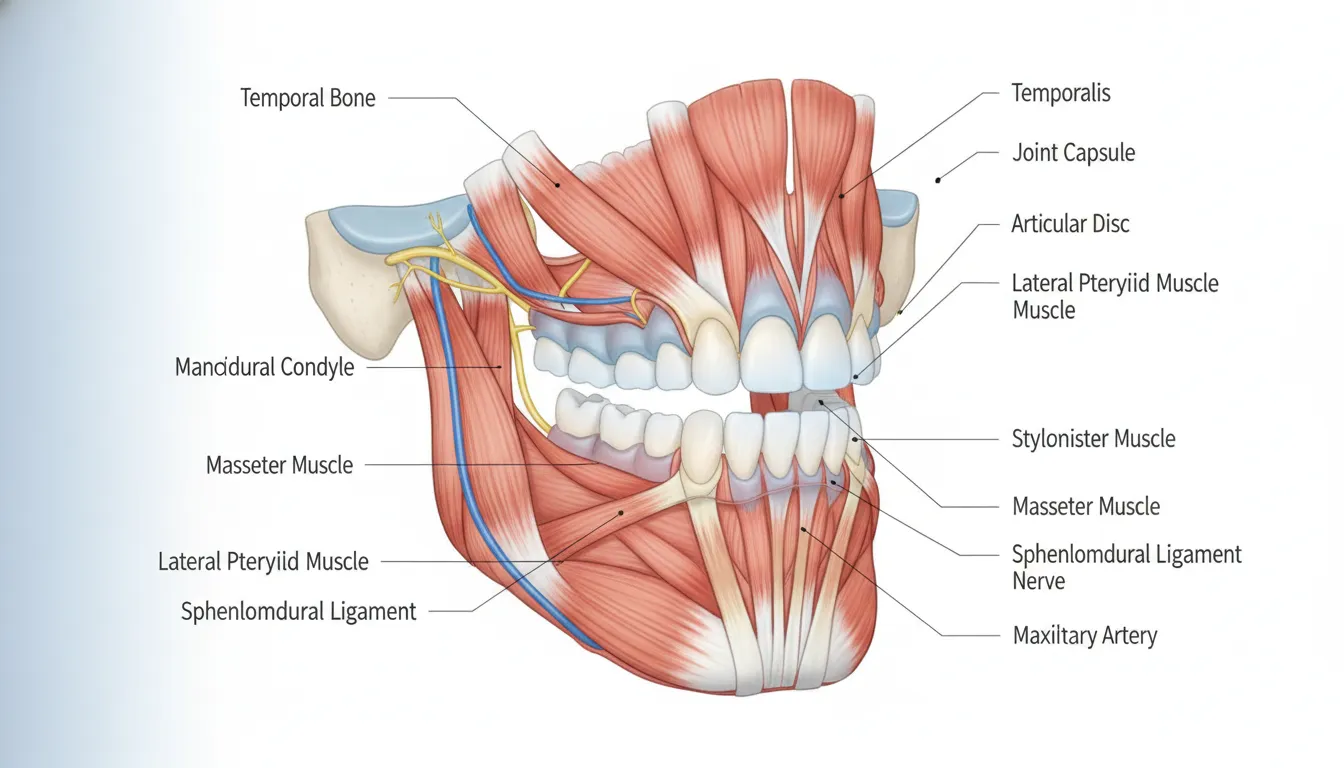
A temporomandibular joint (TMJ) disorder is a health issue that affects the jaw joint and the muscles that move it. These issues are common and affect about 5% to 12% of people at any time. They happen more often in women than in men. When the joint does not work right, it can cause pain and make it hard to chew or speak. If you feel jaw pain, you may need a professional temporomandibular joint therapies to find the cause and get relief.
Common causes and symptoms
Many things can lead to TMJ pain. These include jaw injuries, joint wear, or grinding your teeth at night. Many people notice a clicking or popping sound when they open their mouth. You might also feel your jaw get stuck or locked. Good comprehensive pain control is often needed when these signs last for more than a few days. Main signs include pain in the jaw joint, earaches, and tight face muscles.
How doctors find the problem
To find out if you have a TMJ disorder, a doctor will start with a physical exam. They will listen to and feel your jaw as you open and close your mouth. They also check how far your jaw can move. Doctors look for tender spots to see which muscles are tight. This first step helps them see if the joint is the source of your pain. A full exam is the best way to start a plan for care when you contact Miami Stem Cell.
Tests and imaging for TMJ
Sometimes a physical exam is not enough to see what is wrong inside the joint. Doctors may use special tests to get a better look. X-rays can show the bones, while an MRI can show if the joint disk is in the right place. These tools help find the best way to help you heal. New ways to help, like stem cell therapy, work best when the doctor has a clear picture. Getting the right test is a key part of the TMJ diagnosis process.
Conventional TMJ treatment options: bite guards and physical therapy
Most people with jaw pain start with simple care. Doctors often suggest easy steps before moving to bigger medical moves. These non-surgical TMJ relief plans aim to lower pain and help the jaw move better. Many mild cases get better on their own with rest and home care. Based on the Mayo Clinic, non-surgical methods are the standard first step for most jaw joint issues. Choosing these steps first helps avoid the risks that come with surgery.
Oral splints and custom bite guards
Many patients use a custom mouth guard or bite splint to help with jaw stress. These clear plastic tools fit over your upper or lower teeth. They work by keeping your teeth from grinding or clenching together. Grinding often happens at night and puts a lot of pressure on the jaw joint. A splint helps by keeping the jaw in a more relaxed spot. This can stop the muscles from getting too tight and sore during the day. Most people wear them while they sleep to get the best results.
Your dentist can make a custom splint that fits your mouth well. Store-bought guards are cheap, but they may not fit right. A poor fit can sometimes make jaw pain worse by shifting your bite. A custom tool makes sure your jaw stays in the right place to heal. Over time, this ease of pressure can stop the joint from wearing down too fast. Using a splint is one of the most common ways to handle daily jaw pain.
Physical therapy and guided exercise
Working with an expert can help you move your jaw with less pain. An expert will show you how to stretch and make the muscles around the joint strong. They may also work on your posture to take pressure off your neck and face. Research shows that guided jaw exercises and manual therapy are top choices for long-term relief. You might learn how to open and close your mouth in ways that avoid clicks or pops. These moves help the joint work the right way again.
Manual therapy is another helpful part of physical therapy. An expert uses their hands to move the jaw joint and soft tissues. This can help unlock a tight jaw and boost how far you can open your mouth. They might also use heat or light to help the muscles relax. Learning these moves gives you a way to handle your pain at home. It is a safe way to improve how your jaw works without using drugs.
Pain relief and lifestyle changes
Over-the-counter pills can help dull the ache of a jaw flare-up. Drugs like ibuprofen or naproxen can lower swelling and ease muscle pain. If these do not work, a doctor might give you a stronger pill or a muscle relaxant. Using these with home steps like hot or cold packs is often helpful. Most patients who use packs say their symptoms feel better. You should hold the pack to your jaw for 10 to 15 minutes at a time.
You should also eat soft foods to let your jaw rest while it heals. Foods like yogurt, mashed potatoes, and soup are good choices. Avoid hard or chewy foods like gum and steak during a flare-up. This simple non-surgical pain management step prevents the joint from working too hard. Taking these steps early can help stop a mild jaw issue from turning into a long-term problem.
The limitations of dental and surgical evaluations
Finding the right path for TMJ dysfunction care often starts with a trip to the dentist or a surgeon. While these visits are helpful for a physical exam, they may focus only on quick fixes. Many TMJ disorders respond well to simple care. This means that big changes to your teeth or jaw might not be needed right away.
Risks of jaw surgery
Surgery for the jaw is a big step that comes with real risks. These steps can be hard on the body and take a long time to heal. Most experts suggest using surgery as a last resort because of these trials. In the past, care for painful jaw issues has been fraught with problems for many people. It is often better to try small steps first to see if they bring relief.
Why dental work may not be enough
A dentist may look at how your teeth fit together to help your jaw. They might suggest mouth guards or changing your bite. These tools can help, but they do not always fix the root cause of the pain. If the joint itself is worn down, simple dental work might not solve the problem. In these cases, you may need to look at chronic pain solutions options that focus on the joint tissue.
When to consider other options
You should think about other paths if your pain lasts for three months or more. Chronic pain often needs a full plan that looks at the whole joint. Stem cell therapy is one of the newest options to help the joint heal without a big operation. These treatments do not need deep cuts and let most people return to their lives on the same day. Choosing a non-surgical path first can help you avoid the long recovery times of a surgery.
Newest non-surgical treatments for TMJ: regenerative medicine
Regenerative medicine offers a new way to deal with jaw pain. These treatments do not need surgery. Instead, they help the body heal itself. For many people, jaw joint treatments used to mean just mouth guards or pills. Now, you can use cells and growth factors to fix the root cause of the pain. These newer choices focus on fixing the joint tissues. They aim to make the jaw work right again so you can eat and speak without hurt.
How Wharton’s Jelly MSCs help jaw joints
Wharton’s Jelly MSCs are a powerful tool for joint repair. These cells come from the umbilical cord. They are young and strong. When put into the jaw joint, they can help grow new tissue. This is helpful if the disc in your jaw has worn down. The cells can turn into the types of tissue your jaw needs most. This is a big step up from just masking the pain with drugs.
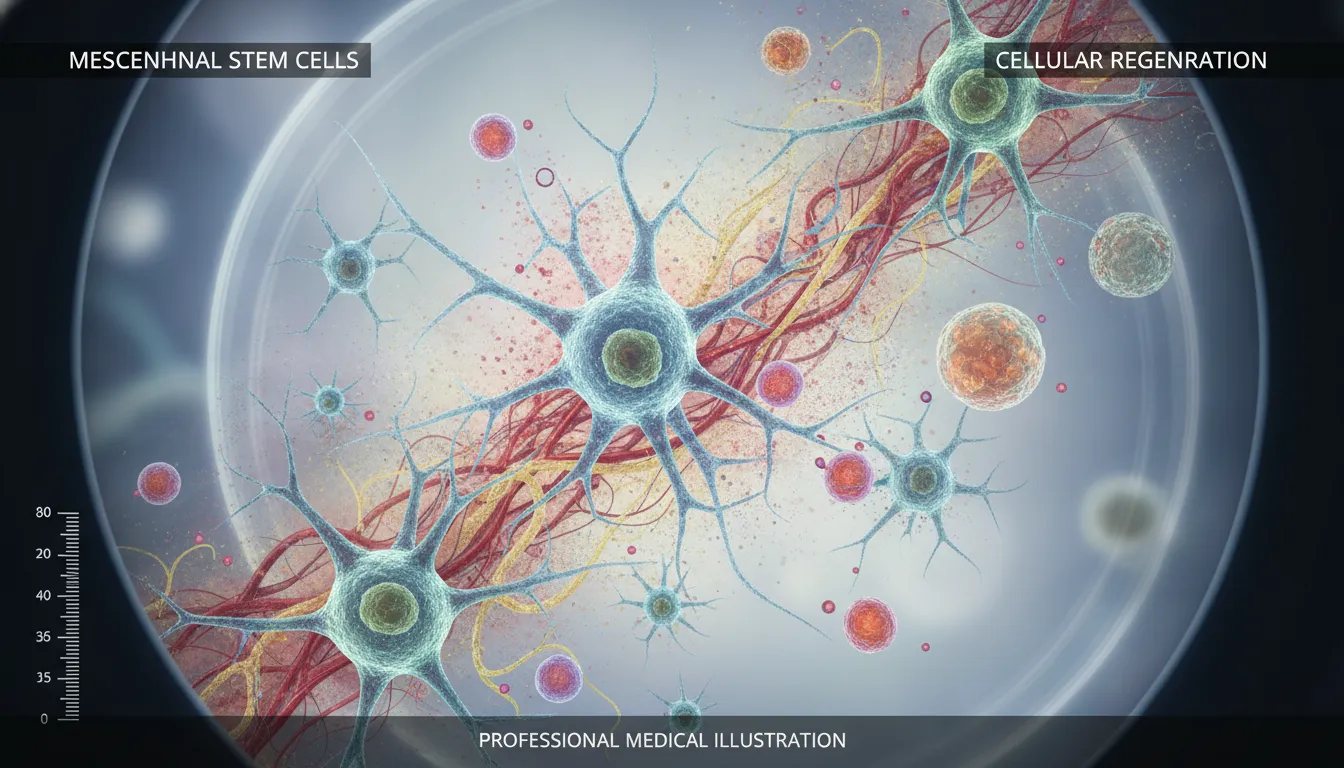
The jaw joint is small but works very hard. It can get worn out from grinding teeth or stress. MSCs help by lowering swelling in the joint. They also give the joint the building blocks it needs to repair. This can lead to less pain and better jaw movement. Most people find they can get back to their day right after the visit. You do not have to worry about a long stay in a hospital. It is a quick way to start the healing process.
The role of exosome therapy in healing
Exosomes are tiny bubbles that cells use to talk to each other. They carry signals that tell other cells to start healing. In pain relief therapies, exosomes are used to speed up the repair process. They are not cells themselves, but they act like a boost for your own cells. They help your body do what it already knows how to do, but faster.
When exosomes enter the TMJ area, they target damaged spots. They tell the local cells to stop the cycle of pain. This help is vital for chronic jaw issues. Since they are so small, they can get deep into the joint tissues. This helps the body fix itself from the inside out. It is a quick and safe way to support your jaw health. Many patients see a change in how their jaw feels in just a few weeks.
Why PRP therapy is used for TMJ
Platelet-Rich Plasma, or PRP, uses your own blood to help you heal. A doctor takes a small amount of blood and spins it in a machine. This gathers the platelets. These platelets are full of healing factors. According to the Mayo Clinic, some doctors use these injections to treat jaw pain when other ways do not work. It is a natural choice because it comes from your own body.
The PRP is then put into the TMJ. It acts like a natural glue that helps fix small tears in the joint. It also brings more blood flow to the area. This helps the joint stay healthy over time. PRP is often used with other treatments to get the best results. It is a simple process that takes less than an hour. You can walk in and out of the clinic on the same day. This makes it a great choice for busy people.
These newer choices give a path to health without the risks of surgery. Surgery often comes with a long time to heal and a risk of scars. Regenerative medicine is different. It uses the natural power of the body to fix the joint. This leads to a more natural result. You get to keep your own joint parts instead of replacing them with metal or plastic.
The goal is to get you back to your life. You should be able to laugh and chew without thinking about your jaw. By using these tools, you can avoid the need for more hard steps later. It is a smart way to manage jaw health. If you have tried other ways and they did not work, these treatments may be the answer. They offer hope for a life free from constant jaw pain.
Comparing TMJ treatment methods: a comprehensive overview
Finding the right way to fix jaw pain can be hard. There are many paths you can take. Each path has its own pros and cons. Some are simple steps you do at home. Other paths need a doctor to help. Global health data shows that jaw pain is the second most common chronic joint pain issue. It is best to know all your ways before you pick one. You want a path that is safe and works well for you. This guide will show you how some ways to fix TMJ pain match up.
Standard first steps and home care
Most people with jaw pain start with simple steps at home. These ways are safe and easy to try first. You might use warm or cold packs on your jaw to help with pain. Most patients feel better using these packs for about 15 minutes at a time. This method helps the jaw area rest and cuts down on pain. Other simple steps include eating soft foods and resting your jaw. Many mild cases of TMJ issues can get better with just a few weeks of rest and self-care. It is a good first step to take before trying big health steps. You can also try simple jaw stretches to keep your jaw moving well. These steps cost little and carry low risk.
Common dental and surgical paths
If home care does not work, doctors often tell you to try TMJ treatment with oral splints. These tools are like mouth guards. They help keep you from grinding your teeth at night. They also take pressure off your joint to let it heal. While these tools can help, some people still have pain for a long time. If splints do not help, some may look at bigger paths. In rare and bad cases, some doctors may suggest surgery to fix the joint. But surgery is a big step and comes with risks. Most people prefer to avoid the long healing times that come with standard surgery. Surgery can also be very costly and may not always fix the root of the pain.
Non-surgical regenerative options
New ways to help the jaw use the body’s own power to heal. At Miami Stem Cell, we offer Miami TMJ specialists that does not need surgery. These paths use things like PRP or MSCs to help fix the joint on its own. These steps are fast. You can go back to your day quickly. Most people want to find pain care that fixes the root cause without a long clinic stay. These newer paths can help the jaw joint heal without cutting or long wait times. They show a shift toward healing from the inside out. They are a good choice for people who want to avoid the knife and get back to life.
| Method | Needs surgery? | Healing time | Main goal |
|---|---|---|---|
| Home Care. | No. | Same day. | Stop mild pain. |
| Dental Splints. | No. | Same day. | Protect the joint. |
| Joint Surgery. | Yes. | Many weeks. | Fix the joint bone. |
| Regenerative Path. | No. | Same day. | Heal joint on its own. |
What to expect during regenerative TMJ therapy
At Miami Stem Cell, we take a careful path to help you find relief from jaw pain. Our team focuses on the root cause of your stress to provide long term help. We use a non-surgical approach so you can avoid the risks that come with major jaw surgery. Most people find that our advanced TMJ therapy is a safe way to get back to their daily life without long delays.
The diagnostic process
Your care starts with a deep look at your jaw health. According to the Mayo Clinic, the best way to find a TMJ issue is with a joint exam. Our doctors will check how your jaw opens and shuts. We also listen for any clicks or pops that happen when you move your mouth. This first step is vital to make sure we treat the right spot.
We often need to see the joint from the inside too. You might need to show us a recent MRI scan before we start. If you do not have one, we can help you get a scan through our local partners for a low cost. This clear view lets us see if the disc is in the right place and check for any bone wear. Knowing the state of your joint helps us give you the best care we can.
Your treatment session steps
The day of your visit is set up to be calm and fast. We know your time is worth a lot, so we make sure the steps go well. You will spend most of your time in a private room where we focus on your comfort. The full process is simple and does not need any cuts or long stays in a clinic bed.
- Final consult: You meet with the doctor to talk about the plan and ask any last questions.
- Prep work: The care team cleans the skin on your face to keep the site safe.
- Cell injection: The doctor puts the healing cells, such as exosomes or PRP, into the joint space.
- Brief rest: You stay in your room for a short time so we can make sure you feel fine.
- Home plan: We give you a list of what to do and what to avoid over the next few days.
Each step is done with great care to keep you safe. We use high grade cells to ensure the best results. Our team has done many of these visits, so they know how to make it easy for you. You will feel a small pinch during the injection, but it is over in a short time.
Post-procedure recovery
One of the best parts of this care is that you can walk out of our office on your own. You do not need to wait weeks to feel like you can move again. This is why many people pick our comprehensive pain control plans over other types of care. It fits into your week and does not stop you from doing what you love for long.
In the days after your visit, you may have a little bit of soreness in your jaw. Most people say it feels like a small bruise and goes away fast. We will check in on you to see how you are doing. These checks let us watch your progress and make sure the jaw is healing as it should. We are here to help you every step of the way until you feel better.
Frequently Asked Questions
What is the best treatment for TMJ?
The best care often starts with small steps that do not need surgery. Most people find help through jaw rest, soft foods, and physical therapy. Many doctors also suggest using mouth guards or splints to stop teeth grinding at night. If these simple steps do not work, newer choices like platelet-rich plasma (PRP) can help. According to the Mayo Clinic, most jaw joint issues respond well to these types of conservative care.
Can TMJ go away on its own?
Yes, mild cases of jaw pain often resolve on their own in a few weeks. This usually happens if you rest your jaw and avoid hard or chewy foods. Using hot or cold packs on the face can also help the joint heal faster. However, if your pain lasts for more than three months, it may be a chronic issue. In these cases, you might need professional help to fix the root cause of the discomfort and prevent more damage.
Is TMJ treatment covered by insurance?
Most basic care for jaw joints might be covered by your plan, but newer regenerative choices usually are not. At Miami Stem Cell, treatments like stem cell and exosome therapy are cash-pay services. This means you will need to pay for the care out of your own pocket. Most insurance companies still view these as elective or new ways to treat pain. You should check with your own provider to see what your specific plan will cover for your jaw health.
How much does non-surgical TMJ treatment cost?
The cost of care depends on the type of treatment you choose. At Miami Stem Cell, a single injection for joint or jaw issues typically costs between $4,000 and $7,000. If you need a full course of care, the price can range from $5,000 to $10,000. These prices reflect the use of high-quality tools and expert care. You will also need to pay a 40% deposit when you book your visit to the clinic for these services.
How long is the recovery after TMJ injections?
One of the best parts of non-surgical care is the very fast recovery time. Most patients at Miami Stem Cell are able to go back to their normal daily lives on the same day as their visit. Since the injections are minimally invasive, there is no need for a hospital stay or long bed rest. You may have some mild swelling in the jaw for a day or two, but it should not stop you from doing your usual tasks.
Ready to treat your TMJ pain without surgery?
Waiting to treat your jaw pain can make joint wear worse. This often leads to lasting damage that may need a hard surgery to fix. You can avoid that risk and the long downtime of a surgery by starting a non-surgical plan to heal your pain today. Our team at Miami Stem Cell will help you find a safe and easy path to fix your jaw using your own tools. Taking this first step now means you are much closer to eating and talking with ease. You can avoid the stress of more joint damage by acting fast to help your body heal. Every day you wait is another day of pain that you could have spent feeling much better.
Ready to schedule a free consultation? Call (305) 598-7777 to book your visit.