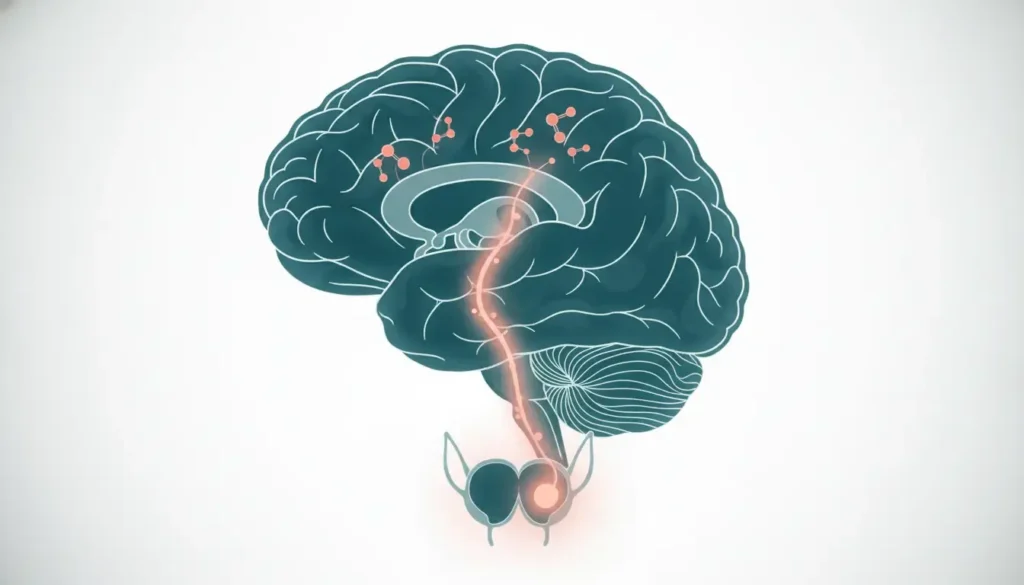
Sciatica treatment depends on what is irritating a nerve in the lower back, how severe the symptoms are, and whether there are signs of a serious problem. Many people start with movement, symptom management, and guided exercise; a clinician can help decide when imaging, medication, a procedure, or another approach is appropriate. The right plan is individualized, and new weakness or bladder or bowel changes need urgent medical attention.

What does sciatica treatment address?
Sciatica describes pain or other symptoms that travel along the sciatic nerve pathway, often from the lower back or buttock into one leg. People may describe sharp, burning, or electric-like pain, tingling, numbness, or weakness. Symptoms can follow a nerve-root irritation in the lower spine, but the word “sciatica” alone does not identify the exact cause.
A clinician may consider issues such as a herniated disk, age-related narrowing around nerve roots, or another condition affecting the back or nerve. The pattern, duration, medical history, and examination all matter. A treatment that helps one cause may not fit another. This is why an evaluation is more useful than choosing a treatment based only on a symptom label.
Most plans aim first to reduce symptoms and support safe function while the underlying issue is assessed. The evidence for specific conservative treatments varies, and no single approach works for everyone. A review of sciatica diagnosis and treatment describes the uncertainty around how much conservative care changes the natural course of symptoms; that is a reason to set realistic goals and revisit a plan if progress stalls, not a reason to ignore symptoms (NIH review of sciatica diagnosis and treatment).
When should sciatica symptoms be urgent?
Seek urgent medical assessment for new trouble controlling urine or bowel movements, difficulty starting urination, numbness around the groin or inner thighs, or rapidly worsening or substantial leg weakness. These symptoms can signal pressure on nerves that needs prompt evaluation. Do not wait for a routine appointment or try to manage these signs with exercise or an injection.
Urgent assessment is also appropriate when severe back or leg pain follows a major injury, or occurs with fever, feeling very unwell, or other concerning changes. A clinician can determine what testing or care is needed. If symptoms are significant but not emergent, contact a healthcare professional promptly, especially if pain is worsening or limiting walking, sleep, or daily tasks.
What conservative steps may help first?
For symptoms without emergency warning signs, an initial plan often focuses on staying safely active and reducing aggravating strain. Prolonged bed rest can make it harder to return to normal movement. Short, tolerable walks and regular changes of position may be more practical than staying in one posture for hours. Adjust activity to symptoms rather than pushing through sharp, escalating pain.
- Keep gentle movement in the day. Try brief walks or ordinary tasks that do not sharply increase leg symptoms. Increase gradually as tolerated.
- Modify positions and tasks. Break up long periods of sitting, and use comfortable positions for sleep and work. There is no single posture that is right for everyone.
- Use symptom relief thoughtfully. Some people consider heat or cold for comfort. Ask a clinician or pharmacist before using medication, particularly with other health conditions, pregnancy, allergies, or other medicines.
- Track function as well as pain. Note walking time, sleep, and activities that trigger or ease symptoms. Changes over time help guide the next decision.
These are general measures, not a diagnosis or a substitute for personalized advice. Avoid aggressive stretching or exercises that cause increasing pain, numbness, or weakness. If self-care is not helping, symptoms recur, or daily function remains limited, arrange an evaluation instead of repeatedly trying new remedies without guidance.
A practical way to pace activity is to choose a modest task, such as a short walk around the block or a few minutes of light household activity, then notice how symptoms respond during the task and afterward. If the same level of activity causes a lasting flare, reduce the duration or change the task and discuss the pattern with a clinician. If movement feels tolerable, increase gradually rather than making a large jump on a better day. The aim is steady, safe function, not testing how much pain you can endure. Keep this approach flexible: a person’s diagnosis, balance, strength, and other health conditions can change what is appropriate.
Healthdirect Australia lists exercise, posture, and safe lifting among measures that may help prevent sciatica (Healthdirect’s sciatica overview). Prevention advice cannot guarantee that symptoms will not return, and activity plans should be adapted to an individual’s condition.
How can physical therapy fit into care?
A physical therapist can assess movement, strength, flexibility, and the way symptoms respond to different positions or activities. The program may include graded exercise, mobility work, strength and conditioning, and coaching on how to resume daily tasks. The plan should be adjusted if symptoms change. A therapist can also help someone who has become less active because of pain build back capacity gradually.
Physical therapy is not simply a list of stretches to copy. The best starting point depends on the likely cause, current function, and examination findings. Tell the therapist if pain travels farther down the leg, numbness is new, or weakness is changing. If an exercise repeatedly worsens symptoms, stop and ask for a reassessment rather than assuming discomfort is necessary for progress.
At the first visit, a therapist may ask what you can currently do and what activities matter most to you. That might mean returning to longer walks, sitting through a workday, or lifting safely at home. A plan can then begin at a manageable level, with exercises or movement practice adjusted over time. Ask how often to practice, what level of temporary discomfort is acceptable, and which changes mean you should pause and contact the care team. If you have multiple health conditions or a history of falls, mention that before starting a new exercise routine.
Some people benefit from a coordinated plan involving a primary care clinician, physical therapist, and a specialist when needed. The aim is to match the level of care to the problem, avoid unnecessary delays, and maintain a clear route back to a clinician if symptoms worsen. Learn about the clinic’s general pain management and regenerative care approach as one part of exploring available options.
When might a physician consider medication, imaging, or a procedure?
A physician begins by taking a history and performing an examination. Imaging is not automatically needed for every episode of leg pain. A clinician may consider it when symptoms are severe or persistent, an examination suggests a specific concern, or the result could change the treatment plan. The choice of test and timing depend on the person, not just the duration of pain.
During the assessment, describe the full route of the pain rather than only naming the sore area. The clinician may ask whether coughing, bending, sitting, or walking changes symptoms, and may check strength, sensation, and reflexes. Those findings help distinguish a nerve-root pattern from other sources of back, hip, or leg discomfort. Sometimes the cause is not clear at the first visit, so a planned follow-up can be useful. Ask what to monitor at home and what changes should prompt earlier reassessment.
Medication decisions also require individual review. A clinician may discuss potential benefits and risks of pain-relieving or anti-inflammatory medicines, taking into account other conditions and drugs. Do not start, stop, or combine prescription medicines based on a general article. A systematic review of sciatica care discusses both pharmacological and non-pharmacological options, while underscoring that treatment choices and evidence vary (review of sciatica risk factors and treatment options).
For selected cases, a physician may discuss an injection or a surgical opinion. Such decisions depend on the suspected source, severity, duration, examination, prior care, and the patient’s goals and preferences. A procedure is not automatically the next step when conservative care has not worked for a short time. Ask what problem the intervention is intended to address, what benefit is realistic, what risks apply, and what alternatives remain.
When symptoms are severe, progressive, or persist despite a reasonable care plan, a specialist evaluation can clarify whether there is a target for an intervention. Surgery may be considered for specific diagnoses and circumstances, particularly when nerve compression and symptoms align. A clinician should explain why a procedure is being proposed and how its expected benefits compare with its risks and recovery demands.
How do the main sciatica treatment options compare?
This table is a general comparison, not a personal treatment recommendation. The care path may include more than one option, and clinicians may change it as symptoms and examination findings evolve.
In practice, these categories are not a rigid ladder. Someone with mild symptoms and no warning signs may begin with movement and a guided exercise plan, while someone with pronounced weakness or concerning examination findings may need prompt medical evaluation. An injection or surgical referral is a clinician-led decision, not a substitute for determining the likely cause. Regenerative approaches should be considered separately and discussed with clear limits on what is known. If one option is proposed, ask how the care team will judge whether it helped and what the next step would be if it does not.
| Option | Typical role | Questions to consider |
|---|---|---|
| Gentle activity and symptom measures | Early self-management when no urgent warning signs are present | Can I move comfortably? Which activities worsen or ease symptoms? |
| Physical therapy | Guided movement, conditioning, and return to daily function | Is the plan tailored to my symptoms, exam, and progress? |
| Physician assessment and medication discussion | Clarify possible cause, review safety, and decide if tests or additional care are needed | What diagnosis is being considered? What are the benefits and risks? |
| Injection or surgical consultation | Considered for selected cases after clinical evaluation | What specific problem is targeted? What alternatives and recovery expectations apply? |
| Regenerative approaches | May be discussed as a separate, developing area; not established as a sciatica cure | What evidence applies to my diagnosis, and what is known and uncertain? |
What should patients know about regenerative approaches?
Regenerative medicine is sometimes discussed by people seeking options beyond conventional symptom management. It is important to separate a general interest in tissue repair from evidence that a particular treatment improves sciatica caused by a specific spinal or nerve condition. Evidence and regulation depend on the product, procedure, diagnosis, and intended use. Do not assume that a treatment is FDA-approved for a particular condition or that it can regenerate a compressed nerve.
Miami Stem Cell provides non-surgical regenerative treatments and offers a consultation to discuss whether an approach is appropriate. That is not a promise that a regenerative treatment will resolve sciatica, restore nerve function, or replace evaluation by a physician. A consultation should make clear what condition is being addressed, what evidence supports the proposed option, what remains uncertain, what risks and alternatives apply, and how progress would be assessed.
Ask whether your symptoms need evaluation by a primary care clinician, neurologist, or spine specialist before considering a regenerative procedure. Do not delay urgent assessment or established care while exploring these approaches. The clinic’s stem cell therapy information and frequently asked questions can help you prepare questions, but they do not determine whether treatment is suitable for an individual case.
How can you prepare for a consultation?
A focused consultation is more useful when you can describe what has changed and what you hope to get back to doing. Before the visit, write down when symptoms began, which side is affected, where pain or tingling travels, and whether symptoms are constant or intermittent. Include any numbness, weakness, prior back problems, injuries, and care you have already tried.
- List medicines, supplements, allergies, and relevant health conditions.
- Describe how symptoms affect sleep, walking, work, exercise, and daily activities.
- Bring prior imaging reports or records if available; do not assume a scan is required.
- Ask what findings would change the plan and when to follow up.
- Ask about the purpose, evidence, risks, cost, and alternatives for any proposed intervention.
Be direct about your preferences, including whether you want to understand non-surgical options. If you are considering care with Miami Stem Cell, you can contact the clinic to request a FREE Consultation. Treatments are out-of-pocket and not covered by insurance; confirm costs and any payment details directly before making a decision.
Discuss your symptoms with the Miami Stem Cell team
Frequently Asked Questions
How long does sciatica usually last?
Duration varies with the cause, severity, and individual health. Some episodes improve over time, while others persist or return. If symptoms are worsening, limiting function, or not improving as expected, arrange a clinical evaluation rather than relying on a fixed timeline.
Should I rest when I have sciatica?
Briefly adjusting activity may help during a painful flare, but prolonged bed rest is generally not a useful substitute for an individualized plan. Gentle movement within your tolerance is often encouraged when there are no urgent warning signs. Ask a clinician what is safe for your condition.
Does sciatica always require an MRI?
No. A clinician decides whether imaging is useful based on symptoms, examination, warning signs, and whether a result could change care. A scan should be interpreted along with the clinical picture rather than treated as a diagnosis by itself.
Can regenerative treatment cure sciatica?
No treatment should be presented as a guaranteed cure. Whether a regenerative approach is relevant depends on the cause of symptoms and the evidence for the specific treatment. Ask what is known, what remains uncertain, and whether another medical evaluation is needed first.
Discuss the next step with a clinician
Sciatica treatment works best as a thoughtful sequence: recognize urgent warning signs, clarify the likely cause, begin an appropriate level of conservative care, and reassess when symptoms or function do not improve. A clinician can help you compare options without assuming that one treatment is right for every person.