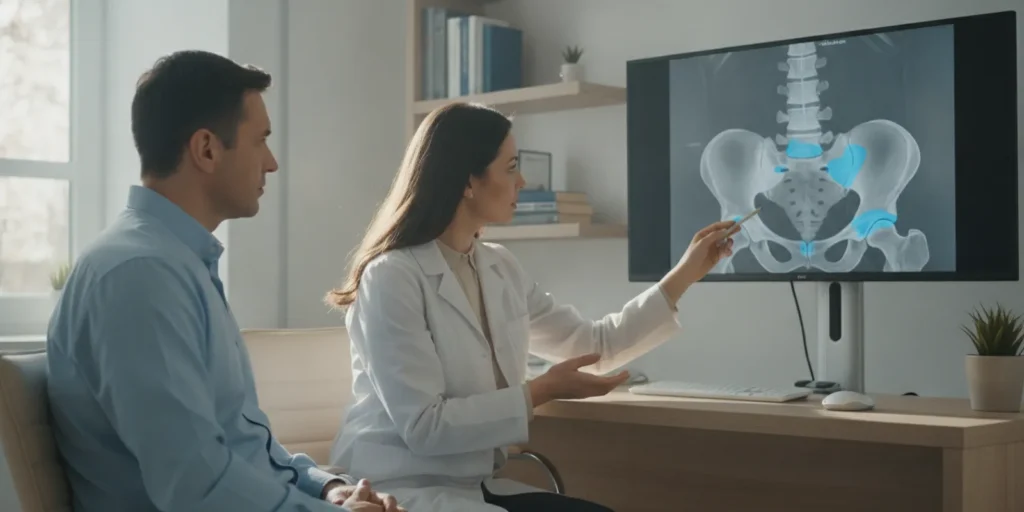
Choosing a spinal stenosis treatment is not just a matter of finding the newest procedure. The right next step depends on where the narrowing is, which symptoms you have, how much they affect daily life, and what an examination and imaging show. This guide compares common approaches and offers questions to discuss with a physician before deciding.
Why does the treatment decision depend on the person?
Spinal stenosis means that spaces around the spinal cord or nerves have become narrower. The narrowing may be in the neck or lower back. Some people have changes on imaging but few symptoms. Others experience pain, tingling, numbness, weakness, or difficulty walking. The same scan finding can therefore lead to different care discussions.
A useful decision starts by connecting symptoms to the location and likely cause of narrowing. A clinician may ask when symptoms began, what activities bring them on, what eases them, and whether they are changing. The clinician will also consider medical history, current medicines, strength, sensation, balance, and walking. Imaging can help, but it is interpreted alongside this information rather than in isolation. For a general overview of the condition, see this guide to what spinal stenosis is.
The goal is not always to eliminate every imaging change. A practical goal may be to improve function, manage symptoms, protect safety, and make an informed choice about the risks and limits of each option. Ask what outcome is realistic for your particular diagnosis.
What should be assessed before choosing care?
Before choosing among spinal stenosis treatment options, bring a clear account of how the problem affects you. Note where discomfort or altered sensation occurs, how far you can walk, what positions make symptoms better or worse, and whether daily tasks have changed. Include any episodes of falling or changes in strength. A brief symptom record can make a consultation more specific.
Ask how well the examination and imaging findings fit your symptoms. If they do not seem to match, ask whether another explanation should be considered. A diagnosis matters because treatment intended for one source of pain may not address another. If you have been told you have lower back-related nerve symptoms, the clinic’s information on back pain may help you prepare related questions; it does not replace an individual assessment.
Also discuss your priorities. One person may want to walk farther, another may want to sleep with less discomfort, and another may hope to delay a procedure. Explain what you have already tried and whether it helped, caused side effects, or was difficult to continue. These details help frame a plan around function and preferences rather than a scan alone.
How do common care options compare?
Options vary in purpose, intensity, and potential risks. The table is a discussion aid, not a treatment recommendation. Suitability depends on the precise diagnosis and a clinician’s evaluation.
| Approach | What it may involve | Points to discuss |
|---|---|---|
| Activity adjustment | Temporarily changing tasks, pacing activity, or using positions that are more comfortable | Which activities to modify, what movement to maintain, and when to review progress |
| Physical therapy or guided exercise | An individualized program to work on movement, strength, balance, or tolerance for activity | Whether the plan fits the diagnosis, how to adapt it if symptoms flare, and how progress will be measured |
| Medication or other symptom care | A clinician reviews whether symptom-relief medicines or other measures are appropriate | Expected benefit, interactions, side effects, and how long to use the approach |
| Injection procedure | A clinician may discuss an injection for selected symptoms and diagnoses | What it targets, likely limits, risks, alternatives, and whether it changes the underlying narrowing |
| Surgery | A surgeon evaluates whether an operation to address the narrowing is appropriate | Expected goals, risks, recovery, alternatives, and what may happen without surgery |
| Regenerative care discussion | A clinician reviews whether a non-surgical regenerative approach is relevant to the patient’s separate condition and goals | Whether it addresses stenosis at all, quality of evidence, uncertainty, risks, and standard alternatives |
These approaches are not interchangeable, and a patient may discuss more than one over time. A comparison of surgical choices in spinal stenosis notes that management remains controversial and that conservative care can be a natural choice for mild symptoms; it also underscores that decisions require individual consideration (review of surgical treatment choices). Do not use a table or an online article as a substitute for personal medical advice.
When might activity changes or physical therapy be discussed?
For symptoms that are mild or manageable, a physician may discuss an initial plan that does not involve an operation. Activity adjustment is not the same as avoiding all movement. It can mean identifying tasks that repeatedly aggravate symptoms, breaking activity into manageable periods, and asking a clinician what movement is appropriate. The aim is to support safe function while monitoring how symptoms respond.
Physical therapy may be considered as part of a personalized plan. The therapist and referring clinician can clarify the program’s goals, such as improving mobility or helping you perform daily activities with more confidence. Ask how exercises will be adapted if they increase symptoms, what changes should prompt a call, and when the plan will be reviewed. Progress is better judged by useful changes in function than by a promise that a particular exercise will widen the spinal canal.
Some people need a different plan because symptoms are severe, worsening, or accompanied by concerning changes. Tell the clinician what is happening rather than pushing through a new or substantial change on your own.
What should you know about injections and surgery?
Injections and surgery are distinct decisions. If an injection is proposed, ask what structure or symptom it is intended to address, what benefit is realistic, how long any benefit might last, and what risks apply to you. Ask whether it is a temporary symptom-management step or part of a broader plan. Clarify any preparation and follow-up instructions with the treating clinician.
Surgery may be discussed when symptoms and examination findings support it, when daily function is significantly affected, or when a clinician believes an operation may be appropriate after considering other factors. The decision is not based on the scan alone. Ask the surgeon to explain the specific goal of the proposed operation, the potential benefits and complications, recovery expectations, and what alternatives are reasonable in your case.
It can help to ask what the likely course might be if you wait, and what changes would make the decision more urgent. A review of surgery options describes spinal stenosis management as an area of debate, so patients should ask for the reasoning behind a recommendation and how it fits their own symptoms. For background on common questions and patient information, consult the clinic’s treatment FAQs, then confirm medical details with your own clinician.
How should regenerative options be considered?
Regenerative care should be discussed carefully and with a clear understanding of what it is—and is not—being proposed to address. A non-surgical regenerative treatment should not be assumed to reverse the bony or structural narrowing associated with spinal stenosis. Ask the clinician to explain whether the proposed approach is intended for a separate joint, tissue, or symptom concern, and whether it is relevant to your diagnosis at all.
Before considering any such option, ask for the evidence that applies to your specific condition, the limits and uncertainty of that evidence, possible risks, available alternatives, and the total care plan. Be cautious of guarantees or claims that a treatment will cure stenosis, restore a narrowed canal, or remove the need for appropriate specialist evaluation. If you are comparing care at Miami Stem Cell, the clinic describes its scope as Non‑Surgical Regenerative Treatments that target the root cause of pain and mobility limitations. A consultation is a chance to ask whether that scope fits your situation, not a substitute for diagnosis or a promise of a particular result. Learn more about the clinic’s joint and spine regenerative care and its pain and regenerative medicine approach.
When you compare a provider, ask who evaluates you, how your diagnosis is confirmed, what the proposed treatment is designed to do, and how follow-up is handled. Miami Stem Cell lists 8500+, 17+ years, and 4.8 stars Google review as social proof; these figures do not establish that a treatment is effective for spinal stenosis or predict an individual’s outcome. The clinic’s information about its approach can be reviewed alongside independent medical advice.
When should symptoms be assessed promptly?
Do not wait for a routine follow-up if you develop a sudden or substantial change. New loss of bladder or bowel control, numbness around the inner thighs or saddle area, or rapidly worsening weakness can require urgent medical assessment. Seek emergency care for severe new symptoms or when you are unsure how urgent they are. These signs can have causes other than spinal stenosis, so a clinician needs to assess them rather than relying on an online guide.
For changes that are concerning but not sudden or severe, contact your physician and explain what changed, when it began, and whether it is getting worse. A useful follow-up plan names whom to contact, what to do if the office is closed, and which symptoms need urgent attention. Ask for those instructions before starting a new treatment or exercise plan.
How can you track whether a plan is helping?
Choose one or two everyday activities that matter to you, such as walking to the store or standing long enough to prepare a meal. Before a plan begins, note how you manage those activities and what symptoms limit them. At follow-up, compare the same activities and describe any unwanted effects. This gives you and your clinician concrete information for deciding whether to continue, adjust, or reconsider the plan. Do not change prescribed medicines or ignore new symptoms without contacting the clinician who is guiding your care.
What questions can help you compare recommendations?
Use direct questions to understand what each option can reasonably accomplish. You might ask:
- What is the likely source and location of my symptoms?
- How do my examination findings and imaging support that explanation?
- What is the goal of this option: symptom relief, improved function, or addressing a structural problem?
- What are the likely benefits, risks, uncertainties, and alternatives for me?
- How will we tell whether it is helping, and when should the plan be reviewed?
- What symptoms or changes should prompt urgent assessment?
- Would a second opinion from a spine specialist be useful before I decide?
Write down the answers and compare recommendations based on your priorities, not just the name of a procedure. If treatment is proposed for more than one body area, ask which diagnosis each part of the plan addresses and how the clinician will assess its effect. Miami Stem Cell offers a FREE Consultation for people who want to discuss whether its non-surgical regenerative services fit their questions.
Frequently asked questions
Does spinal stenosis on an MRI always need treatment?
No. Imaging findings need to be interpreted with symptoms and examination results. A clinician can help determine whether the narrowing is likely related to your concerns and whether monitoring or active care makes sense.
Can exercise cure spinal stenosis?
Exercise should not be presented as a way to cure or reverse structural narrowing. A clinician may recommend guided activity to support movement or function, depending on the person’s diagnosis and abilities. Ask how to tailor it and when to stop or seek advice.
Is surgery always the next step if symptoms continue?
No single pathway applies to everyone. A spine specialist can discuss whether surgery is appropriate, what it is expected to accomplish, and what alternatives or risks matter in your case. The decision should account for symptoms, examination, imaging, health, and goals.
Can regenerative treatment open the narrowed space?
Do not assume that a regenerative treatment can reverse spinal narrowing or open the spinal canal. Ask the treating clinician exactly what condition a proposed treatment is meant to address, what evidence applies, and what standard options remain relevant.
What is a sensible next step?
Start with a physician evaluation that connects your symptoms, examination, and imaging, then compare options by their goals, risks, and fit with your priorities. A thoughtful plan may change as symptoms and function change, so ask how progress will be reviewed and which changes need prompt attention.