There’s a significant difference between managing symptoms and addressing the root cause of a medical issue. For those with TMJ syndrome, this distinction is crucial. The market is filled with tmj relief devices designed to make life more comfortable by preventing teeth grinding, easing muscle strain, or promoting better jaw alignment. These tools certainly have their place and can provide much-needed relief. But if the source of your pain is cartilage wear or chronic inflammation within the joint itself, these devices can only do so much. We’ll explore the pros and cons of popular at-home tools and then introduce a different approach focused on healing the joint tissue for a more permanent solution.
Temporomandibular Joint (TMJ) syndrome manifests as a constellation of symptoms, including jaw pain, discomfort, and sleep disturbances, significantly impacting one’s quality of life. The quest for effective relief is paramount for sufferers, leading many to explore a variety of TMJ relief devices reviewed. This blog post delves into the efficacy of disposable night guards, massage devices, special pillows, and lacrosse massage balls, culminating in exploring Stem Cell Treatment at Miami Stem Cell as a pioneering solution for long-term relief.
Expert Guidance for TMJ Self-Care
Using at-home devices can be a game-changer for managing TMJ discomfort, but how you use them matters just as much as which ones you choose. Think of these tools not as a quick fix, but as part of a broader strategy to support your jaw health. Your jaw is one of the most constantly used joints in your body, handling everything from talking and eating to yawning. This constant motion means it needs dedicated care to heal from the strain that causes TMJ symptoms. Establishing a solid self-care routine and knowing when to seek professional help are the two pillars that support lasting relief. It’s about creating a sustainable practice that reduces inflammation, eases muscle tension, and gives your jaw the break it needs to recover properly.
The Importance of a Consistent Routine
Consistency is everything when it comes to TMJ self-care. Because your jaw is always working, it’s under constant stress, which can make healing difficult. Using tools like massage balls or special pillows regularly helps your jaw recover and builds resilience against future flare-ups. The key is to integrate these practices into your daily life, not just using them when you’re in pain. Think of it like stretching before a workout; it prepares the muscles and prevents injury. A consistent routine trains your jaw muscles to relax and can gradually reduce the chronic tension that leads to pain, clicking, and locking. Making this a daily habit is your best bet for long-term management and relief.
When to Consult a Specialist
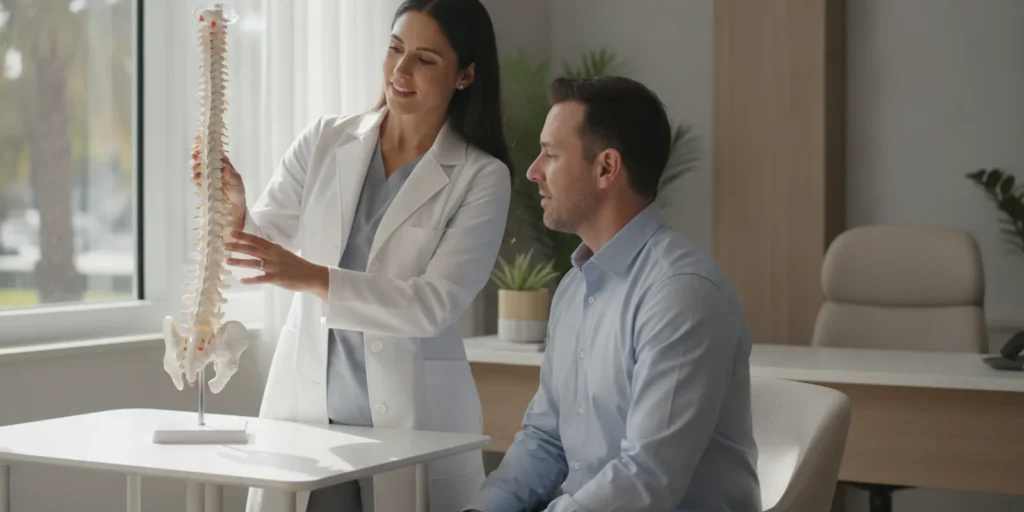
While self-care tools are incredibly helpful, they are most effective as part of a comprehensive treatment plan. If you find that your jaw pain, clicking, or locking isn’t improving or is getting worse despite your best efforts at home, it’s a clear sign that you should see a specialist. A professional can provide a proper diagnosis to understand the underlying cause of your TMJ issues, which is the first step toward effective treatment. Self-care can manage symptoms, but a specialist can help you create a targeted plan that addresses the root of the problem. Don’t hesitate to reach out for an expert opinion; it can make all the difference in finding lasting relief.
Addressing the Root Cause with Regenerative Medicine
Many TMJ treatments focus on managing symptoms, which can feel like you’re constantly chasing relief without ever finding a permanent solution. Devices like the Aqualizer® are designed to help your jaw muscles relax and find their natural, strain-free position, which is a step in the right direction. However, for those with chronic pain stemming from joint damage or degeneration, a different approach may be needed. This is where regenerative medicine comes in. Instead of just masking the pain or temporarily adjusting alignment, regenerative therapies aim to heal the temporomandibular joint from the inside out. By addressing the damaged tissues that are causing the inflammation and dysfunction, you can achieve more sustainable results.
At Miami Stem Cell, we focus on treatments that harness your body’s own healing potential to repair the source of the pain. Therapies using mesenchymal stem cells (MSCs) and exosomes can help reduce inflammation and regenerate damaged cartilage and tissues within the jaw joint. This approach goes beyond symptom management to offer a path toward long-term joint health and function. If you’re tired of temporary fixes and are looking for a solution that addresses the underlying cause of your TMJ issues, exploring regenerative options for pain management could be the answer. It’s about restoring the joint, not just calming the symptoms.
What Is A Stem Cell Treatment?
Stem Cell Treatment represents a groundbreaking approach to TMJ relief, addressing the root causes of the syndrome rather than merely alleviating symptoms. This advanced therapy, offered by Miami Stem Cell, harnesses regenerative potential of stem cells to repair and rejuvenate the affected jaw tissues, offering hope for lasting relief.
A Review of At-Home TMJ Relief Devices
Finding daily relief from TMJ discomfort often involves combining professional guidance with a solid at-home care routine. Thankfully, a variety of tools are available to help you manage pain and tension right from your own home. These devices can be incredibly helpful for easing symptoms between treatments, giving you a sense of control over your condition. From simple wraps to more advanced tools, incorporating these into your self-care practice can make a significant difference in your day-to-day comfort levels and help you manage flare-ups effectively.
Here are a few popular at-home devices that people with TMJ syndrome find useful:
- TMJ Wraps: One of the simplest yet most effective tools is a TMJ wrap. These are designed to deliver targeted hot or cold therapy directly to your jaw. Using moist heat can help relax tight, aching muscles, while a cold pack can reduce inflammation and numb sharp pain. It’s a straightforward way to get immediate relief when your jaw feels particularly tense or swollen.
- Jaw Stretching Devices: Tools like the gentle jaw® act like physical therapy for your jaw. They help you perform gentle stretches that can improve your range of motion, ease stiffness, and encourage muscle healing. Think of it as a gentle yoga session specifically for your jaw, helping to restore function and flexibility over time.
- Jaw Massagers: If you clench or grind your teeth, a therapeutic massager can be a game-changer. Devices like the Yolo Mountain™ Massager are specifically designed to target the trigger points in your jaw muscles, releasing built-up tension and alleviating pain. Consistent use can help manage the daily stress that often contributes to TMJ flare-ups.
- Alignment Devices: Some devices focus on correcting your bite and relaxing your jaw muscles simultaneously. The Aqualizer®, for example, uses a unique fluid-based system that allows your jaw muscles to find their natural, balanced position. This can provide relief by decompressing the jaw joint and promoting proper alignment.
While these at-home tools are excellent for managing symptoms, they primarily offer temporary relief. They are a crucial part of a comprehensive care plan but may not address the underlying inflammation or tissue damage causing the problem. For those seeking a solution that promotes true healing from within, exploring treatments that target the root cause is the next logical step. This is where regenerative medicine offers a promising path forward for lasting joint regeneration and relief.
Disposable Night Guards
Disposable night guards offer a frontline defence against the discomfort caused by TMJ syndrome.
- Working: These devices, designed to prevent teeth grinding and clenching, can mitigate jaw strain.
- Pros: Their accessibility and ease of use are commendable.
- Cons: Their one-size-fits-all approach may not cater to the unique needs of every individual. Furthermore, their limited durability might necessitate frequent replacements, making them a less cost-effective solution in the long run.
Advanced Bite Splints
While disposable guards are a good starting point, advanced bite splints offer a more sophisticated and tailored approach to managing TMJ pain. These devices are often recommended by dentists and specialists because they are designed to do more than just create a barrier between your teeth. They actively work to reposition your jaw into a more natural and relaxed state, addressing the muscular imbalances that contribute to TMJ discomfort. Unlike their over-the-counter counterparts, these splints are built for precision and can be a key part of a long-term management plan, helping to retrain your jaw muscles and provide more consistent relief from the chronic pain and tension associated with TMJ syndrome.
The Aqualizer® Bite Splint
One of the most innovative options in this category is the Aqualizer® bite splint. What makes it unique is its use of a fluid system that allows your jaw muscles to find their own natural, balanced position. Instead of forcing your jaw into a predetermined spot, this device works *with* your body’s own physiology to release tension. Many users experience pain relief in as little as 10 to 15 minutes. For those dealing with long-term TMJ issues, the Aqualizer® can help a dentist identify the correct jaw position needed to create a permanent, custom splint, which helps prevent the pain from returning. It’s a safe, drug-free treatment that lets your muscles naturally reset to a strain-free state.
Temperature Therapy Wraps
Sometimes the simplest solutions are the most effective, and that’s often the case with temperature therapy. Using heat or cold to manage pain is a time-tested method that can be particularly beneficial for TMJ symptoms. Specially designed TMJ wraps make this process even easier by delivering targeted relief right where you need it—on the tense muscles and swollen joints of your jaw. These wraps are convenient, reusable, and allow you to apply consistent temperature without any hassle. Integrating this simple practice into your daily routine can make a significant difference in managing flare-ups, reducing morning stiffness, and calming your jaw after a long day of clenching or grinding.
Understanding Heat vs. Cold Therapy
Knowing when to use heat versus cold is key to getting the most out of temperature therapy. For tight, tense jaw muscles and general muscle pain, moist heat is your best friend. Applying a heated wrap for about 20 minutes, a couple of times a day, can help relax the muscles and ease discomfort. Many people find this especially helpful for loosening up a stiff jaw in the morning. On the other hand, if you’re dealing with joint swelling or sharp, acute pain, it’s time to chill. Applying a cold wrap for 10 minutes, three to four times a day, can help reduce inflammation and numb the area. These self-care tools are an excellent way to manage symptoms at home as part of a broader treatment plan.
Massage Devices
Massage devices have emerged as a popular tool for alleviating TMJ-related muscle tension.
- Working: Massage devices target TMJ-related muscle tension by enhancing circulation and promoting relaxation, aiming to provide temporary pain relief.
- Pros: These devices are widely accessible and can be easily used at home, offering a non-invasive option for managing TMJ discomfort.
- Cons: The effectiveness of massage devices can vary significantly among individuals. In severe cases of TMJ syndrome, they may not deliver the expected level of relief, highlighting their limitation as a comprehensive treatment solution.
Cork Rolling and TMJAID Rollers
Sometimes the simplest tools offer the most surprising relief. Cork rolling is a perfect example—a technique that uses a basic wine cork to gently massage your jaw muscles. By applying light pressure and rolling the cork along sore spots, you can help release muscle tightness and reduce soreness. This gentle massage encourages better blood flow to the area, which is crucial for providing relief and supporting the muscle’s recovery process. It’s an incredibly accessible self-care method that you can easily work into your daily routine, giving you a proactive way to manage discomfort. Similar tools, like specialized TMJAID rollers, work on the same principle of targeted, gentle pressure for at-home relief.
Jaw Stretching and Mobility Devices
Beyond just massaging tight muscles, actively improving your jaw’s range of motion is a key part of finding relief. When your jaw feels stiff and locked up, it can make everything from talking to eating a challenge. Jaw stretching and mobility devices are designed to address this specific problem. They work by providing a controlled, gentle stretch to the jaw muscles and joint, helping to ease stiffness and gradually restore more natural movement. Think of it as physical therapy for your jaw, helping to retrain the muscles and improve the overall function of the temporomandibular joint. This approach focuses on enhancing mobility, which can be a game-changer for those who feel limited by their TMJ symptoms.
The gentle jaw® Stretcher
One popular device in this category is the gentle jaw® stretcher. It’s often described as “yoga for your jaw,” which perfectly captures its purpose. This tool helps you perform gentle, passive stretching exercises that can be difficult to do on your own. By using the device as instructed, you can carefully stretch and move the jaw, which helps to alleviate that stiff, stuck feeling and promote better motion over time. Making the jaw move more easily not only provides immediate relief from stiffness but also supports muscle healing in the long run. Its portable design is a huge plus, allowing you to stick with your stretching routine whether you’re at home, at the office, or traveling.
Special Pillows
Special pillows are crafted to encourage correct neck alignment and lessen jaw tension, offering a potential solution for alleviating TMJ discomfort.
- Working: These pillows are structured to support maintaining a favorable sleeping posture, aiming to diminish the impact of TMJ symptoms.
- Pros: They can significantly contribute to a more comfortable sleep by addressing and minimizing jaw strain and promoting proper neck positioning.
- Cons: The effectiveness of special pillows can vary greatly among individuals, contingent on personal sleeping patterns and the intensity of TMJ symptoms.
Heated Vibrating Massagers
Heated vibrating massagers combine two effective therapies to tackle jaw discomfort. These devices are specifically designed to quickly relieve the jaw pain, tightness, and daily tension that come with TMJ, teeth grinding, and clenching. The gentle heat helps to soothe and relax the muscles, increasing blood flow to the area, while the different vibration modes work to release deep-seated tension. This combination can be particularly effective for easing the immediate symptoms of a flare-up. Think of it as a targeted, warm massage you can use whenever you feel that familiar tightness creeping in, offering a convenient way to manage discomfort at home.
Myofascial and Muscle Release Tools
Myofascial release tools focus on the fascia, the thin connective tissue that wraps around every muscle in your body. When this tissue gets tight, it can cause pain and restrict movement—a common issue for those with TMJ. Tools like small massage balls, foam rollers, or specially designed wands allow you to apply targeted pressure to release these tight spots around your jaw, temples, and neck. The goal is to gently stretch and smooth out the fascia to restore mobility and reduce pain. While gentle, targeted jaw massage is effective, it is important to avoid pressing too hard, as this can aggravate the sensitive temporomandibular joint.
It’s crucial to remember that these self-care tools are not a replacement for seeing a specialist; they work best when used alongside professional care. They are excellent for managing daily symptoms and maintaining flexibility between appointments, but they don’t address the source of the problem. If at-home methods aren’t providing lasting relief, it may be a sign that the underlying cause of your TMJ needs a more direct approach. A comprehensive pain management plan often involves addressing the root issue, which could be inflammation or tissue damage within the joint itself, something these surface-level tools can’t fix. True healing often requires a strategy that helps the body repair itself from the inside out.
Thera Cane® for Neck Tension
Sometimes, the source of jaw pain isn’t just in the jaw itself. The muscles in your neck, shoulders, and upper back are all connected, and tension in one area can easily trigger pain in another. This is where a tool like the Thera Cane® becomes incredibly useful. It’s a simple, S-shaped massage cane that lets you apply deep pressure to hard-to-reach knots. The Thera Cane® is particularly useful for pressing on tight knots in neck muscles. Since neck tension and jaw pain are often interconnected, easing that tightness can significantly help alleviate jaw discomfort. By releasing these trigger points in your neck, you can often feel a corresponding release in your jaw, providing a surprising amount of relief.
Lacrosse Massage Balls
Lacrosse massage balls are basic yet efficient tools for targeting relief in TMJ-related discomfort.
-
- Working: By applying focused pressure to precise areas around the jaw, these balls help alleviate tension and enhance mobility.
- Pros: Simple and straightforward to use. Provide targeted relief by focusing on specific areas of discomfort.
- Cons: May not fully resolve the root causes of TMJ syndrome for everyone. Their effectiveness can vary between users, with some finding more relief than others.
Comparing Devices
Devices designed for TMJ relief vary in function and form, aiming to reduce discomfort. They operate by either preventing harmful jaw actions or relieving muscle tension. Many devices are user-friendly and can effectively reduce symptoms for various individuals. No single device suits everyone, and finding the most effective solution may require trial and error.
Miami Stem Cell’s Approach
At Miami Stem Cell, the approach to Stem Cell Treatment for TMJ syndrome is innovative and patient-centered. Utilizing cutting-edge technology, the stem cell treatment aims to restore normal function and alleviate pain without invasive procedures. This promising option not only focuses on symptom relief but also on promoting long-term healing.
Common Questions About TMJ Syndrome
When you’re dealing with jaw pain, clicking, and headaches, it’s natural to have a lot of questions. TMJ syndrome can be complex, and understanding the nuances is the first step toward finding relief. From how it affects different life stages to the most promising treatments available, getting clear answers is essential. We’ve gathered some of the most common questions we hear to provide you with the information you need to move forward with confidence and clarity on your path to wellness.
How is TMJ treated during pregnancy?
Navigating TMJ discomfort while pregnant requires a gentle and safe approach, as many standard treatments are off-limits. The focus shifts to non-invasive methods that provide relief without posing any risk to you or your baby. Many find comfort through physical therapy, targeted jaw exercises, and applying heat or ice packs to the affected area. While some over-the-counter pain relievers might be an option, it is absolutely crucial to consult with your healthcare provider before taking any medication. They can guide you toward the safest choices to manage your symptoms effectively throughout your pregnancy.
Can children experience TMJ?
It might be surprising, but TMJ disorders are not exclusive to adults; children can experience them, too. The condition can develop in younger individuals due to factors like teeth grinding (bruxism), habitual jaw clenching, or a misaligned bite. If a child complains of jaw pain, difficulty chewing, or a clicking sound in their jaw, it’s worth paying attention to. Catching these symptoms early is key. Prompt intervention with a specialist can help manage the discomfort and address the underlying causes, preventing more significant issues down the road and ensuring their jaw develops healthily.
What is the link between TMJ and the inner ear?
If you have TMJ and also experience ear pain, ringing (tinnitus), or a sense of fullness in your ears, you’re not imagining the connection. The temporomandibular joint is located very close to the structures of your inner ear. Because of this proximity, inflammation or dysfunction in the jaw joint can directly affect the ear, leading to these confusing and often frustrating symptoms. This anatomical relationship can sometimes make diagnosis tricky, as the source of the pain might be mistaken for an ear infection when it’s actually stemming from the jaw joint itself.
What is the most successful treatment for TMJ?
The “best” treatment for TMJ is highly individual, as it depends on the severity and root cause of your specific condition. For many, a combination of non-surgical therapies like physical therapy, custom night guards, and targeted jaw exercises provides significant relief. However, these approaches often manage symptoms rather than fixing the underlying problem. For those seeking a more definitive and lasting solution, regenerative medicine is showing incredible promise. Advanced treatments like stem cell therapy work to repair and regenerate the damaged tissue in the jaw joint, addressing the source of the pain and promoting true healing for long-term results.
Conclusion
The journey to finding effective relief from TMJ syndrome can be daunting, with various TMJ relief devices reviewed that are offering temporary solutions. However, the advent of Stem Cell Treatment for TMJ Syndrome, particularly at Miami Stem Cell, heralds a new era of hope for sufferers. By addressing the syndrome at its source, stem cell therapy offers a path to relief and recovery. For those navigating the challenges of TMJ syndrome, exploring all available options, from disposable night guards to Stem Cell Treatment, is crucial. Consulting with healthcare professionals and considering advanced treatments like those offered at Miami Stem Cell can pave the way to a life free from the constraints of TMJ pain. Learn more today with us and embark on your journey toward lasting relief.
Frequently Asked Questions
How do I know which at-home TMJ device is right for me? The best device really depends on your main symptom. If you’re dealing with tight, sore muscles from clenching, a targeted massager or a temperature wrap might provide the most relief. If your primary issue is stiffness and a limited range of motion, a gentle stretching device could be more effective. For nighttime teeth grinding, a bite splint is the logical choice. It often takes a little trial and error to find what works best for your specific needs, so pay close attention to how your jaw responds.
Are at-home devices a permanent fix for TMJ pain? While these tools are fantastic for managing day-to-day discomfort, they are not a permanent fix. They primarily address the symptoms, like muscle tension or pain from grinding, rather than the root cause of the problem. If your TMJ syndrome is caused by inflammation or damage within the joint itself, these devices can provide temporary relief but won’t heal the underlying tissue.
How is regenerative medicine different from using these at-home tools? Think of it as working from the inside-out versus the outside-in. At-home devices work externally to relax muscles, create a barrier between teeth, or apply temperature therapy for temporary comfort. Regenerative medicine, such as stem cell therapy, works internally at a cellular level. It aims to repair the damaged cartilage and tissues within the jaw joint that are causing the inflammation and pain, offering a path toward long-term healing.
When is it time to see a specialist instead of just using these devices? You should consult a specialist if your pain persists or worsens despite consistent use of at-home remedies. Other clear signs include frequent jaw locking, painful clicking or popping, or difficulty chewing that interferes with your daily life. While self-care tools are helpful, they can’t replace a professional diagnosis to understand what’s truly causing your TMJ issues.
Can I combine at-home devices with professional treatments like stem cell therapy? Yes, absolutely. In fact, they work very well together. At-home devices can be an essential part of your overall treatment plan, helping you manage flare-ups and daily discomfort. This allows you to stay comfortable while a professional treatment like stem cell therapy works on repairing the joint from within for more lasting results.
Key Takeaways
- Use at-home devices for symptom management: Tools like jaw massagers, special pillows, and night guards are fantastic for providing immediate relief from pain and tension, but they don’t address the root cause of the joint problem.
- Recognize the limits of self-care: While a consistent at-home routine is important, persistent or worsening pain is a sign that you need a professional diagnosis. A specialist can identify the underlying cause of your TMJ, which is the first step toward an effective treatment plan.
- Explore regenerative options to heal the joint: Unlike treatments that only mask pain, regenerative medicine like stem cell therapy works to repair damaged cartilage and tissue within the jaw joint, targeting the source of inflammation for more sustainable results.
Related Articles
- Tmj Relief Devices Reviewed: From Night Guards To Stem Cell Treatment – Stem Cell Therapy | Miami Stem Cell
- TMJ Pain Treatment | Stem Cell & PRP for Jaw Pain Relief
- Stem Cell Therapy for Facial Nerve Pain & TMJ | Miami Stem Cell