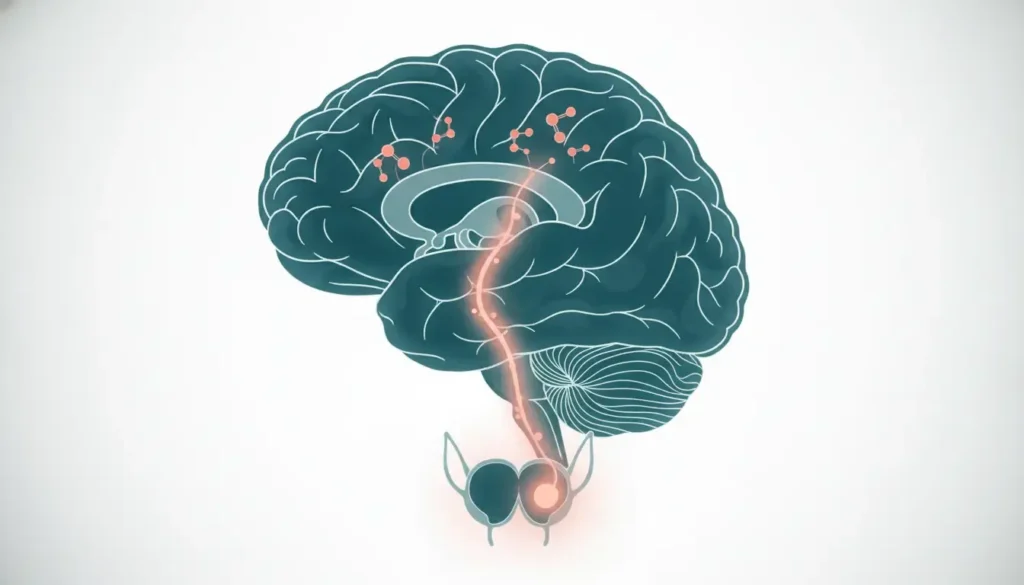
Here’s the biggest stem cell therapy for hair loss surprise: men experiencing baldness often have just as many hair stem cells as men with a full head of hair. The real issue isn’t a lack of cells. It’s that they’ve become dormant and are no longer receiving the right signals to grow. This is where regenerative medicine creates a new path forward. Instead of surgery, this non-surgical treatment works to “wake up” your own sleeping follicles, encouraging your body to restart its natural hair growth cycle using powerful, ethically sourced signaling cells.
Key Takeaways
- Focus on Regeneration, Not Surgery: Stem cell therapy is a non-surgical treatment that works by using powerful signaling cells to reactivate dormant hair follicles, improving scalp health and encouraging your own hair to grow back stronger.
- Candidacy and Timeline are Important: The treatment is most effective for men in the early to moderate stages of hair loss where follicles are weak but still present. Visible results are gradual, with initial growth often appearing in four to six months.
- Prioritize a Provider’s Safety Standards: Your results and safety are directly linked to the clinic you choose. Always select a provider that is transparent about using high-quality, ethically sourced cells and follows strict FDA-compliant protocols.
Understanding Hair Loss: More Than Just a Cosmetic Issue
Losing your hair is a deeply personal experience, and it’s about much more than just appearances. It’s a legitimate medical condition that can have a profound effect on how you feel. Before looking at solutions, it’s important to understand the two core aspects of hair loss: how common it really is and the very real emotional toll it takes.
The Prevalence of Androgenetic Alopecia
If you’ve noticed your hair thinning, it’s easy to feel isolated, but the reality is that you are in very good company. The vast majority of hair loss cases are due to a condition called androgenetic alopecia, also known as male or female pattern hair loss. It’s by far the most prevalent form of hair loss, affecting a huge portion of the population—up to 80% of Caucasian men and around 40% of Caucasian women by the time they reach 70. This condition isn’t about hair suddenly falling out in clumps; it’s a gradual process where hair follicles shrink over time, producing finer and shorter hairs until they eventually stop producing hair altogether. Understanding that this is a widespread and well-documented condition is the first step in moving past the frustration and toward finding a real solution.
The Psychological Impact of Hair Loss
The effects of hair loss go much deeper than what you see in the mirror. For many, it carries a significant emotional weight that is often dismissed by others as a simple cosmetic concern. This experience can directly impact your self-esteem, confidence, and overall mental well-being, sometimes leading to feelings of anxiety or depression. Your hair is a part of your identity, and watching it change can feel like you’re losing a piece of yourself. This psychological distress is a very real and valid part of the hair loss journey. Acknowledging this emotional toll is crucial, as it reinforces the need for effective hair restoration options that not only address the physical signs but also help you regain your sense of self and confidence.
What Is Stem Cell Therapy for Hair Loss in Men?
If you’re dealing with thinning hair or a receding hairline, you’ve probably looked into the usual suspects: medications, topical foams, and maybe even hair transplant surgery. But there’s another option that works differently. Stem cell hair regrowth is a non-surgical treatment that uses the power of regenerative medicine to address hair loss at its source. Instead of covering up the problem or surgically moving follicles, this approach aims to repair and reactivate the hair follicles you already have.
Think of it as a reset for your scalp. The goal is to create a healthier environment where dormant follicles can “wake up” and begin producing thicker, stronger hair again. It’s a forward-thinking approach to hair restoration that leverages your body’s own natural healing abilities. By introducing powerful signaling cells directly to the areas of thinning, the treatment encourages the scalp to rebuild and regenerate on a cellular level. This process helps improve follicle health, increase hair density, and restore a more youthful hairline without the need for invasive procedures or daily medication.
How Does Stem Cell Hair Restoration Work?
At its core, regenerative hair restoration is about signaling your body to repair itself. The process uses stem cells, which are essentially the body’s raw materials. These unique cells have the remarkable ability to develop into many different cell types and can act as an internal repair system. When applied to hair loss, the treatment involves carefully introducing these potent cells into the scalp.
Once there, they don’t just sit idly. They release powerful growth factors and proteins that communicate with the surrounding cells, including those in your dormant hair follicles. This cellular conversation helps reduce inflammation, improve blood flow, and kickstart the regenerative processes needed for healthy hair growth. It’s a way of prompting your own follicles to get back to work, leading to naturally thicker and fuller hair over time.
How Do Stem Cells Target Your Hair Follicles?
So, how do these cells know exactly what to do? When introduced to the scalp, stem cells are drawn to the damaged or inactive hair follicles. Male pattern baldness causes follicles to shrink, or “miniaturize,” until they can no longer produce healthy hair. Stem cells can help reverse this process. They have the potential to differentiate into the specific cells that make up the hair follicle, helping to rebuild its structure and strength.
More importantly, they release signaling molecules that instruct existing follicles to enter the anagen, or growth, phase of the hair cycle. This process revitalizes weakened follicles and encourages them to produce thicker, healthier hair strands. Because the quality and source of these cells are critical for both safety and results, it’s essential to work with a provider that follows strict, FDA-compliant protocols to ensure the treatment is managed correctly.
The Science: How Do Stem Cells Actually Grow Hair?
To understand why stem cell therapy is such a promising treatment for hair loss, it helps to know what’s happening on your scalp at a cellular level. This isn’t about a quick fix; it’s about using targeted science that works with your body’s natural ability to heal and regenerate. Let’s break down how this process works.
What Causes Male Pattern Baldness?
Hair loss is rarely caused by just one thing. It’s a complex issue influenced by your genes, hormones, and even environmental factors. For most men, the primary culprit is male pattern baldness, a genetic condition where a hormone called DHT (dihydrotestosterone) causes hair follicles to shrink over time. Eventually, these follicles become so small they stop producing visible hair. Other factors like stress, nutritional deficiencies, or certain health conditions can also play a role, accelerating the thinning process. Understanding the root cause is the first step in finding an effective hair restoration solution that addresses the problem directly.
How Common Is It?
If you’re noticing more hair in the drain or a thinning spot in the mirror, you are far from alone. Hair loss is incredibly common, especially the type known as androgenetic alopecia, or pattern hair loss. In fact, research shows it affects a significant portion of the population, with some studies indicating that up to 80% of men may experience it by the time they reach age 70. This widespread prevalence is exactly why so many are seeking effective, modern solutions beyond traditional methods. It’s not just a sign of aging; it’s a genetic and hormonal process that can start much earlier for many, making proactive treatments for hair restoration a key focus for those wanting to maintain their confidence and appearance.
Can Stem Cells Reactivate Dormant Hair Follicles?
For years, the common belief was that baldness meant the hair follicles were gone for good. But groundbreaking research revealed something fascinating: men experiencing baldness often have the same number of hair stem cells as men with a full head of hair. The problem isn’t a lack of cells; it’s that these cells have become dormant and stopped receiving the right signals to grow. This is where regenerative medicine comes in. By introducing a concentrated dose of powerful stem cells and their growth factors to the scalp, we can essentially “wake up” these sleeping follicles. These new cells send signals that encourage the dormant ones to get back to work, restarting the natural hair growth cycle.
Can Stem Cells Create New Hair Follicles?
Waking up dormant follicles is a major step, but what about creating entirely new ones? This is where the science gets even more exciting. It was once thought that we are born with all the hair follicles we will ever have. However, recent studies suggest that stem cells may have the ability to generate brand new follicles in adult skin. This process involves activating specific cellular pathways that instruct the skin to form a new hair-producing structure. While this area of research is still evolving, it points to the incredible potential of regenerative treatments to not only restore what was lost but to rebuild the foundation for thicker, fuller hair.
The Future of “Hair Cloning”
The concept of creating brand-new hair follicles, often called “hair cloning,” represents the next major leap in hair restoration. While current advanced treatments focus on reactivating the follicles you already have, cloning aims to generate entirely new, functional hair follicles on the scalp. This was once considered impossible, but ongoing research is challenging that belief. Scientists are exploring how to trigger the specific cellular signals needed to build these new hair-producing structures from scratch. While the idea is incredibly promising, it’s important to have realistic expectations. Experts predict that true hair cloning is still several years away from being a standard treatment, with some estimates placing it in the 2030s. For now, the most effective approach remains leveraging the power of regenerative medicine to revitalize and strengthen your existing follicles, which is the focus of today’s leading hair restoration therapies.
What Are Your Stem Cell Treatment Options?
When you start looking into stem cell therapy for hair loss, you’ll quickly find that not all treatments are created equal. The source of the stem cells and the specific protocol used can significantly impact the process and potential outcomes. Understanding these differences is the first step toward choosing a therapy that aligns with your goals. The main options you’ll encounter involve cells sourced from your own body fat, cells from an umbilical cord, or a combination approach that includes other regenerative treatments.
Each method has a unique way of interacting with your scalp and hair follicles. Some focus on waking up dormant follicles with a potent mix of growth factors, while others introduce powerful, versatile cells that can signal your body’s own repair mechanisms into action. At Miami Stem Cell, we focus on providing the most effective, science-backed therapies available. Our hair restoration protocols are designed to address the root cause of hair thinning by creating the ideal environment for natural regrowth. Let’s walk through the most common types of stem cell treatments so you can see how they compare.
Option 1: Using Your Body’s Own Fat Cells (Adipose)
One common approach is adipose-derived stem cell therapy, which uses stem cells from your own body fat. During this procedure, a small amount of fat is removed, typically from the abdomen, through a mini-liposuction procedure. The fat is then processed in a lab to isolate the mesenchymal stem cells (MSCs). These cells are rich in growth factors that are essential for cellular repair and regeneration. Once injected into the scalp, these adipose-derived stem cells can help activate dormant hair follicles and encourage them to re-enter the growth phase, leading to thicker, fuller hair over time.
Option 2: Using Umbilical Cord Stem Cells
Another powerful option involves using umbilical cord-derived mesenchymal stem cells (UC-MSCs). These cells are collected from the umbilical cord tissue of healthy, screened donors after a full-term birth, a process that is safe for both mother and baby. UC-MSCs are considered potent because they are young, vibrant, and have strong regenerative capabilities. They release a complex mix of growth factors, proteins, and cytokines that reduce inflammation and signal your native cells to begin repairing damaged tissue. This makes them an excellent choice for stem cell therapy aimed at reviving hair follicles and promoting sustainable hair growth without an invasive harvesting procedure.
Why Miami Stem Cell Uses Umbilical Cord-Derived MSCs
At Miami Stem Cell, we exclusively use umbilical cord-derived mesenchymal stem cells (UC-MSCs) because we believe they offer the most significant advantages for our patients. These cells are sourced ethically from umbilical cord tissue donated after healthy, full-term births. Because they are so young, UC-MSCs are incredibly vibrant and have powerful regenerative capabilities. They release a rich cocktail of growth factors, proteins, and other signaling molecules that are highly effective at reducing inflammation and instructing your own cells to repair damaged tissue. This approach also means you don’t have to undergo an invasive harvesting procedure, like liposuction, making the entire process more comfortable. Our focus on these potent cells is a key part of our commitment to providing the most advanced and effective regenerative treatments available.
Option 3: Combining PRP with Stem Cell Therapy
To enhance the effects of stem cell therapy, many providers combine it with Platelet-Rich Plasma (PRP) treatment. PRP is created by drawing a small sample of your own blood and spinning it in a centrifuge to concentrate the platelets. These platelets are packed with growth factors that stimulate tissue repair. When used alongside stem cell therapy, PRP therapy acts as a complementary treatment, creating a richer, more supportive environment in the scalp. This combination can help improve blood flow, reduce inflammation, and give the newly introduced stem cells an even better chance to thrive and stimulate your hair follicles effectively.
Option 4: Using Stem Cell-Derived Materials
Beyond using whole stem cells, some of the most advanced regenerative therapies focus on harnessing the powerful substances that stem cells produce. Instead of introducing new cells, these treatments deliver a concentrated dose of the growth factors, proteins, and signaling molecules that do the heavy lifting in cellular repair. This approach allows for a highly targeted treatment that gives your scalp the precise tools it needs to rejuvenate hair follicles. It’s like sending in a specialized repair crew with a full toolkit, rather than just one type of worker. These materials are often referred to as “cell-free” therapies and represent an exciting frontier in regenerative medicine.
Stem Cell-Derived Conditioned Medium (CM)
One of these cell-free options is Stem Cell-Derived Conditioned Medium (CM). Think of CM as a nutrient-rich liquid that contains all the beneficial signals, like growth factors and proteins, that stem cells release. It’s essentially a nourishing “soup” for your scalp, made from the good stuff stem cells produce, but without the cells themselves. Research has shown this approach to be quite effective. For example, one study found that applying CM with a microneedle roller over 12 weeks led to significant increases in both hair density and thickness, demonstrating its ability to support a healthier scalp environment and promote visible hair growth.
Stem Cell-Derived Exosomes
Within the conditioned medium are tiny, powerful messengers called exosomes. These are microscopic packages released by stem cells that carry specific instructions and signaling molecules to other cells. They are a key part of how stem cells communicate and orchestrate the repair process. While clinical studies on exosomes for hair growth are still emerging, lab research looks incredibly promising for their ability to help hair follicles grow. At Miami Stem Cell, we utilize the power of these advanced biological signals in our regenerative therapies, as they represent a highly sophisticated, science-backed method for promoting natural healing and rejuvenation.
Other Stem Cell Sources
While adipose and umbilical cord tissues are common sources for stem cells, they aren’t the only options. The field of regenerative medicine is continually exploring different types of stem cells and where to find them. Researchers have identified potent stem cells in other parts of the body, each with unique characteristics. Understanding these different sources can give you a fuller picture of the landscape of regenerative hair restoration and where the science is headed. Two other sources that are often discussed in research are bone marrow and the hair follicle itself.
Bone Marrow-Derived Stem Cells
Stem cells can also be harvested from bone marrow, a source that has been used in medical treatments for decades. Similar to the process for adipose-derived cells, this involves a procedure to extract the cells from the patient’s own body, typically from the hip bone. The sample is then processed to isolate the mesenchymal stem cells, which can be injected into the scalp to help stimulate tissue repair and hair growth. While effective, the harvesting process is more invasive than a blood draw or using ethically donated umbilical cord tissue, which is an important factor for many people to consider when choosing a hair restoration therapy.
Hair Follicle Stem Cells
Perhaps one of the most fascinating areas of research involves using stem cells sourced directly from hair follicles. Your scalp already contains reservoirs of these cells, which are responsible for regenerating hair throughout your life. The challenge has been figuring out how to activate them effectively. Excitingly, recent studies suggest that stem cells may have the ability to generate brand new follicles in adult skin. This indicates a potential future where treatments could not only awaken dormant follicles but also create entirely new ones, moving beyond restoration to true regeneration. It’s a development we’re watching closely as the science continues to evolve.
Are You a Good Candidate for Stem Cell Hair Treatment?
Stem cell therapy offers incredible potential for hair regrowth, but it’s not the right solution for every man experiencing hair loss. The success of the treatment often depends on your specific situation. Key factors like the extent of your hair loss, your overall health, and your medical history all play a significant role in determining if you’re a good candidate.
Think of it this way: the goal of stem cell therapy is to repair and reactivate your existing hair follicles, encouraging them to function properly again. It’s a regenerative approach designed to work with what your body already has. Before moving forward, it’s essential to understand where you stand in relation to these factors. This will help you set realistic expectations and decide if this innovative treatment aligns with your personal hair restoration goals. Let’s walk through what makes an ideal candidate.
First, What’s Your Stage of Hair Loss?
The most important factor in determining your candidacy is your current stage of hair loss. Stem cell hair restoration works best for men who are in the early to moderate stages of male pattern baldness. This means you’ve noticed significant thinning, a receding hairline, or a growing bald spot, but you still have a fair amount of hair coverage across your scalp.
The reason for this is simple: the treatment is designed to rejuvenate dormant or weakening hair follicles, not create entirely new ones on a completely bald scalp. If you still have hair follicles, even if they are producing thin, fine hairs, stem cells can help wake them up. If you’ve been completely bald in an area for many years, the follicles may be too far gone to be revived.
Are There Any Health or Age Requirements?
Your overall health is another crucial piece of the puzzle. The ideal candidate is a man in good general health without any active infections, severe chronic illnesses, or blood-related conditions that could interfere with the treatment’s effectiveness or safety. During your consultation, we’ll conduct a thorough review of your medical history to ensure the procedure is appropriate for you.
While there isn’t a strict age limit, the therapy tends to be most effective for men who address their hair loss sooner rather than later. Your body’s healing and regenerative capabilities are typically stronger when you’re younger. However, many older men still see great results. The key is less about your age and more about the health of your scalp and your body’s ability to heal. You can find answers to more general questions on our FAQs page.
When Stem Cell Therapy Might Not Be the Right Choice
It’s just as important to know when this treatment might not be the best path forward. As mentioned, men who have extensive, long-term baldness are generally not ideal candidates because the hair follicles may no longer be viable. Additionally, certain medical conditions, such as active scalp infections, some autoimmune disorders, or a history of cancer, may make you ineligible for the procedure.
Safety is our top priority, which is why we are transparent about potential risks. While rare, any injection-based procedure carries a small risk of infection. Choosing a provider that adheres to the highest safety and compliance standards is critical. Our clinic exclusively uses ethically sourced umbilical cord-derived stem cells and follows strict protocols to ensure your safety, a standard that distinguishes USA-based treatments from many overseas options.
Severe Scarring Hair Loss
While stem cell therapy offers a powerful solution for many men, it’s important to be realistic about its limitations. This treatment is most effective when there are still active, albeit weakened, hair follicles to work with. For this reason, it’s generally not a suitable option for severe scarring hair loss or areas that have been completely bald for many years. The science behind regenerative hair restoration is focused on rejuvenating dormant follicles, not creating entirely new ones from scratch. If the follicles in a particular area are gone due to significant scarring or have been inactive for a very long time, they may be too damaged to be revived by the treatment.
What Happens During a Stem Cell Hair Procedure?
Knowing what happens during your treatment can make the entire process feel more comfortable and straightforward. From your first conversation with a specialist to the simple aftercare instructions, the journey is designed to be as smooth as possible. The procedure itself is minimally invasive and happens right in our clinic, so you can get back to your routine quickly. Let’s walk through the three main phases: the consultation, the treatment itself, and what recovery looks like.
Step 1: Your Consultation and Scalp Assessment
Your journey begins with a one-on-one consultation. This is where we get to know you, your hair loss history, and what you hope to achieve. A specialist will perform a thorough scalp assessment to understand the extent of your hair thinning and determine if you are a good candidate for the treatment. We’ll also review your medical history to ensure the procedure is a safe and effective option for you. This initial meeting is the perfect time to ask any questions you have. Our goal is to create a personalized treatment plan that aligns with your specific needs and gives you a clear picture of the path ahead.
Step 2: The Treatment Day, Step-by-Step
On the day of your procedure, the process is quite simple. We use ethically sourced, umbilical cord-derived mesenchymal stem cells (MSCs) that are prepared in a lab to ensure their quality and potency. To enhance the treatment, we often combine the stem cells with Platelet-Rich Plasma (PRP). This involves drawing a small amount of your own blood and spinning it in a centrifuge to concentrate the platelets, which are rich in growth factors. The final solution, containing both the powerful MSCs and your PRP, is then carefully injected into the targeted areas of your scalp to help rejuvenate dormant hair follicles. The entire session is typically quick and performed with your comfort in mind.
Step 3: Recovery and Aftercare Instructions
One of the best parts of this treatment is the minimal downtime. After the procedure, you might notice some mild redness, slight swelling, or a bit of tenderness at the injection sites, but this usually subsides within a day or two. Most men are able to return to their normal daily activities the very next day, though we recommend avoiding strenuous exercise for a short period. As for results, patience is key. The stem cells and growth factors need time to work on your hair follicles. You can generally expect to see the first signs of new hair growth within four to six months, with continued improvement over the following year.
What Results Can You Realistically Expect?
Stem cell therapy holds incredible promise for hair restoration, and it’s understandable to be excited about the possibilities. By using the body’s own regenerative power, this approach is changing how we address hair loss. However, it’s important to go into any treatment with clear and realistic expectations. Your results will depend on several factors, including your specific type of hair loss, your overall health, and the treatment protocol you choose.
While some men experience significant regrowth, others might see more subtle improvements, like thicker, healthier existing hair and a slowdown of further thinning. The goal is to stimulate your natural hair growth cycle, which is a gradual process. Let’s break down what you can realistically expect in terms of a timeline, what the current research shows, and what your final results might look like. This will help you make an informed decision about whether stem cell hair restoration is the right path for you.
When Can You Expect to See New Hair Growth?
Patience is key when it comes to regenerative medicine. Unlike a hair transplant, where results are more immediate, stem cell therapy works by reactivating your hair follicles over time. Most people can expect to see the first signs of new hair growth in about four to six months after their treatment.
This initial growth may appear as soft, fine hairs, which will gradually thicken and mature over the following months. The full effect of the treatment typically becomes apparent around the 12-month mark. It’s a slow and steady process, but seeing your own natural hair begin to grow back is often well worth the wait. We’ll monitor your progress closely to ensure your follicles are responding as expected.
Setting a Realistic Timeline: 12-18 Months
When you’re investing in your hair, it’s natural to want to see results quickly. But since stem cell therapy works with your body’s natural growth cycle, it’s a marathon, not a sprint. Most men start to notice the first signs of new growth—often soft, fine hairs—around four to six months after their treatment. Over the next several months, these new hairs will begin to thicken and mature. The most noticeable improvements typically become clear around the 12-month mark, with results continuing to develop for up to 18 months. This gradual progression is a sign that the regenerative process is working, so patience is your best friend here.
How Long Do Results Last and Is It Permanent?
This is one of the most common questions we hear, and the honest answer is: it depends. The results from stem cell therapy can be long-lasting, but they aren’t always considered permanent. This is because the treatment doesn’t erase the underlying genetic or hormonal factors that contribute to male pattern baldness. Instead, it gives your follicles a powerful reset, stimulating them to produce healthier hair. How long that boost lasts can vary from person to person, depending on the severity of your hair loss, your age, and your overall health. Some men enjoy their results for years, while others may notice a gradual return to their previous pattern over time.
Because the goal is to manage a progressive condition, many men find that a maintenance plan is the best way to sustain their results long-term. This might involve follow-up treatments every year or two to keep the follicles stimulated and healthy. Think of it like any other part of your wellness routine—consistent care yields the best outcomes. Regular check-ins with your provider are key to tracking your progress and adjusting your plan as needed. Seeing the lasting confidence in our patients is what it’s all about, and you can see some of their journeys on our testimonials page.
What Do the Studies Say?
The science behind stem cell therapy for hair loss is a rapidly advancing field. Early research and clinical studies have shown very promising results, confirming that stem cells can help awaken dormant hair follicles and encourage new growth. However, it’s also true that the long-term effectiveness is still being studied.
Because this is a newer approach, the scientific community is continuously gathering data to refine protocols and better predict outcomes. This is why it’s so important to work with a clinic that stays on the cutting edge of the latest research. We base our regenerative treatments on the most current scientific evidence to ensure our protocols are both effective and safe for our patients.
Clinical Study Results
While personal stories are powerful, it’s the scientific data that truly highlights the potential of this treatment. Clinical research has shown that introducing stem cells and their growth factors to the scalp can lead to measurable improvements. For example, one study observed a 29% increase in hair density after treatment. Other studies have noted significant enhancements in both the number of hairs and overall hair thickness. Even preclinical trials have been incredibly encouraging, with one study on mice showing significant hair regrowth in 100% of the male subjects. These results are what drive the field forward, providing a solid foundation for the regenerative protocols used in clinics today.
Emerging Research and Future Timelines
It’s important to remember that stem cell therapy for hair loss is still a relatively new and evolving field. While early results are exciting, researchers are working to conduct more large-scale studies to fully understand its long-term effectiveness. With over 4,900 studies happening worldwide, the pace of discovery is rapid, and future treatments may become even more advanced. This is why choosing the right provider is so critical. In a field that’s constantly advancing, you need a clinic committed to the highest safety standards. Adhering to strict, FDA-compliant protocols ensures you receive a treatment that is not only based on the latest science but is also administered with your safety as the top priority.
How Much Hair Can You Actually Regrow?
It’s important to understand that stem cell hair restoration is still in a relatively new phase, and results can vary from person to person. While many patients report positive outcomes and are thrilled with their thicker, fuller hair, this is not a one-size-fits-all solution. Your individual results will depend on the extent of your hair loss and how your body responds to the therapy.
Some online sources raise concerns about long-term safety, but these often refer to different types of stem cells or unregulated clinics. Your safety is our top priority, which is why we exclusively use umbilical cord-derived mesenchymal stem cells that are sourced from FDA-compliant labs. This is a key difference between USA and overseas stem cell treatments and is crucial for a safe and predictable outcome.
How Much Does Stem Cell Therapy for Hair Loss Cost?
Thinking about stem cell therapy for hair loss is exciting, but it’s natural to wonder about the financial investment. The cost isn’t one-size-fits-all, as every treatment plan is tailored to the individual. Several key factors determine the final price, from the extent of your hair loss to the specific protocol used. Understanding these variables will help you get a clearer picture of what to expect and plan accordingly for your hair restoration journey.
What Is the Average Cost of Treatment?
The cost of stem cell therapy for hair loss in the United States generally falls between $3,000 and $10,000 per session. This range exists because the treatment is highly specialized and customized for each person. The specific type of cells used, the technology involved in the procedure, and the complexity of your case all contribute to the overall price. It’s not just a simple product; it’s a sophisticated medical procedure that requires significant expertise. A detailed consultation is the best way to get an accurate quote based on your unique needs and hair restoration goals.
What Factors Influence the Final Price?
Several variables influence the final cost of stem cell hair regrowth treatments. The most significant factor is the severity of your hair loss. Someone in the early stages might need a less intensive approach than someone with more advanced thinning. The number of sessions required will also impact the total price; while some men see great results after one treatment, others may need a series of sessions to achieve their desired density. Finally, a clinic’s location and the experience of its medical team play a role. Highly reputable clinics with advanced protocols may have different pricing structures.
How Does the Cost Compare to Other Treatments?
When you look at the cost of stem cell therapy, it’s helpful to see how it stacks up against other hair loss solutions. Hair transplant surgery, for example, is a proven but invasive option that can cost anywhere from $4,000 to $15,000 or more, and it comes with significant recovery time. On the other end of the spectrum, treatments like Platelet-Rich Plasma (PRP) therapy are less expensive per session, typically ranging from $400 to $750, but often require multiple treatments to see results. Daily medications like minoxidil and finasteride have a lower monthly cost but represent a lifelong commitment with ongoing expenses and potential side effects. Stem cell therapy fits in as a premium, non-surgical investment that aims to regenerate your follicles from within, offering a different kind of value by addressing the problem at a cellular level.
Does Insurance Cover Stem Cell Hair Treatments?
It’s important to know that most insurance companies do not cover stem cell therapy for hair restoration, as they typically classify it as an elective or cosmetic procedure. This means you should plan for the cost to be an out-of-pocket expense. However, don’t let that discourage you. Many leading clinics understand this and offer financing options to make the treatment more accessible. It’s always a good idea to ask about payment plans or partnerships with medical financing companies during your consultation. Our team is happy to discuss all available options to help you find a solution that fits your budget.
Are There Risks or Side Effects?
It’s completely normal to have questions about the safety of any new treatment. When it comes to stem cell therapy for hair regrowth, being informed is the best way to feel confident in your decision. Like any medical procedure, there are potential risks and side effects to consider. However, the safety of your treatment is directly tied to the quality and standards of the clinic you choose.
Understanding the full picture involves looking at potential short-term complications, long-term safety data, and the critical role of regulatory oversight. A reputable provider will be transparent about all of these aspects, ensuring you know exactly what to expect. The goal is to minimize risks while maximizing your results, and that starts with choosing a clinic that prioritizes your health and safety above all else. At Miami Stem Cell, we believe that patient education is a core part of our approach to care, so let’s walk through what you need to know.
What Are the Potential Risks and Complications?
Most side effects associated with stem cell hair therapy are minor and temporary. It’s common to experience some mild tenderness, redness, or swelling at the injection sites on your scalp. These reactions typically resolve on their own within a day or two and are simply your body’s natural response to the injections.
A more significant, though rare, complication is the risk of infection. Any procedure that breaks the skin carries this potential. This is why the environment where your treatment is performed matters so much. A professional clinic that operates under strict sterile protocols significantly reduces this risk. By ensuring that all equipment is sterilized and the procedure is conducted in a clean, controlled setting, the chances of infection become extremely low.
Is Stem Cell Hair Therapy Safe in the Long Run?
You may have come across information online raising concerns about the long-term safety of stem cell treatments, including the potential for tumor growth. It’s important to understand the context behind these claims. These concerns are primarily linked to pluripotent stem cells, such as embryonic stem cells, which have the ability to turn into any cell type and can sometimes grow uncontrollably.
However, the treatments for hair restoration at our clinic use mesenchymal stem cells (MSCs) derived from umbilical cord tissue. These cells are different. They are multipotent, meaning their development is more restricted, and they have a well-documented safety profile in clinical research. MSCs have anti-inflammatory and immunomodulatory properties and have not been shown to form tumors. Sourcing these cells from carefully screened donors adds another layer of safety.
Why FDA Compliance Is Key to Your Safety
The single most important factor in ensuring a safe procedure is choosing a provider that adheres to strict FDA guidelines. In the United States, the FDA regulates human cells and tissues to prevent the transmission of communicable diseases and ensure safe handling. A compliant clinic operates under these stringent regulations, which govern everything from how the stem cells are sourced and processed to how they are stored and administered.
This compliance is your best protection against contamination and ensures the cells you receive are pure and viable. It’s a stark contrast to the risks you might encounter at unregulated clinics or by seeking treatment overseas, where standards can vary widely. By selecting a clinic that is transparent about its FDA compliance, you are taking a critical step to protect your health and ensure you receive a safe, high-quality treatment.
Understanding the Regulatory Landscape
It’s important to know that currently, no stem cell hair restoration treatments are officially “approved” by the FDA. This means any therapy offered in the U.S. is considered investigational. The FDA has cautioned against unproven treatments, and this is where your choice of provider becomes absolutely critical. While the therapy itself is not yet approved, the FDA heavily regulates how human cells and tissues are sourced, processed, and handled to ensure safety and prevent disease transmission. Choosing a clinic that strictly adheres to these FDA-compliant protocols is the single most important step you can take to protect your health. This commitment to compliance is what separates reputable U.S. clinics from unregulated providers, ensuring the stem cells used in your treatment are managed with the highest standards of safety.
The American Hair Loss Association’s Perspective
Major organizations like the American Hair Loss Association (AHLA) take a cautious but hopeful stance. The AHLA currently recommends that patients pursue stem cell treatments for hair loss only within the structured environment of a formal clinical trial. Their position reflects the fact that this is a new and evolving field of medicine. While early results are very promising, more large-scale studies are needed to fully establish standardized protocols and long-term effectiveness. This careful perspective highlights why it’s so vital to work with a clinic that is transparent about the current state of the science. A responsible provider will ground their hair restoration protocols in the latest available research while being honest about what is known and what is still being studied.
Stem Cell Therapy vs. Other Hair Loss Treatments
When you’re dealing with hair loss, it can feel like you have to choose between invasive surgery or a lifetime of medication. Regenerative medicine offers a different path. Unlike traditional methods that either move hair around or try to slow down the loss, stem cell therapy works to rejuvenate the hair follicles you already have. It’s a fundamentally different approach that focuses on healing from within.
Making the right choice for your hair depends on understanding how these treatments stack up. A surgical hair transplant is a major commitment, while daily medications come with their own set of considerations. Stem cell therapy provides a non-surgical alternative that leverages your body’s natural regenerative power to address thinning at its source. Let’s look at how it compares to the more common options.
Stem Cells vs. Traditional Hair Transplants
A traditional hair transplant, like FUE or FUT, is essentially a relocation service for your hair. A surgeon removes healthy hair follicles from the back or sides of your head and surgically implants them into the thinning or balding areas. While it can be effective, it’s a surgical procedure that involves incisions, a significant recovery period, and the risk of scarring. It doesn’t do anything to improve the health of the native hair in the thinning areas.
Stem cell hair restoration works differently. Instead of moving follicles, it aims to reactivate the dormant or weakened ones already in place. By introducing a concentration of powerful stem cells and growth factors to the scalp, the treatment encourages these follicles to start growing healthy hair again. It’s a minimally invasive procedure with no downtime, focused on regenerating your natural hair right where you need it.
The Proven Track Record of FUE and FUT
There’s no denying that surgical hair transplants like FUE and FUT have a long and proven history. For decades, these methods have been the go-to solution, successfully helping countless men by physically moving healthy hair follicles from a dense donor area to the parts of the scalp where hair is thinning. This surgical relocation can create a significantly fuller look, and the results are considered permanent. However, their track record also comes with the realities of an invasive procedure, including recovery time and the potential for scarring. It’s also a key distinction that these traditional hair transplants don’t improve the health of the existing, non-transplanted hair in the thinning zones.
Stem Cells vs. Hair Loss Medications
The most common hair loss medications are Minoxidil (Rogaine) and Finasteride (Propecia). These drugs can be effective for slowing hair loss and sometimes regrowing hair, but they come with a catch: you have to use them every single day, indefinitely. If you stop, any hair you’ve maintained or regrown will likely fall out. Plus, these medications can cause unwanted systemic side effects that many men aren’t comfortable with.
Stem cell therapy offers a solution that doesn’t require a daily pill or topical application. It’s a targeted treatment designed to create lasting improvement at the cellular level. By repairing and stimulating follicles, it helps restore your hair’s natural growth cycle without the ongoing commitment or potential side effects of medication. Many protocols also incorporate PRP therapy to further enhance the regenerative environment of the scalp.
What Are the “Big 3” for Hair Regrowth?
If you’ve spent any time researching hair loss solutions, you’ve likely come across the term “Big 3.” This traditionally refers to a combination of Finasteride, Minoxidil, and Ketoconazole shampoo. Together, this trio works by blocking the hormone DHT, stimulating blood flow to the scalp, and reducing inflammation that can contribute to hair thinning. While this approach can be effective for managing hair loss, it’s a strategy that requires constant, daily use to maintain any results. It’s a defensive game focused on holding the line against further loss, rather than actively rebuilding what’s been lost. A regenerative medicine perspective offers a different path, shifting the focus from daily management to long-term repair and creating a healthy scalp environment where your own hair can thrive.
Stem Cells vs. Scalp Micropigmentation (SMP)
While both stem cell therapy and scalp micropigmentation (SMP) can improve the appearance of a fuller hairline, they are fundamentally different approaches. SMP is a sophisticated cosmetic tattoo procedure that creates a powerful illusion of hair. During the process, a skilled technician uses fine needles to deposit pigment into the scalp, carefully mimicking the appearance of tiny, individual hair follicles. It’s an incredibly effective way to camouflage thinning areas, add visual density, or create the look of a full, closely shaved head. However, it’s important to understand that SMP does not address the underlying biological cause of hair loss; it’s a purely aesthetic cover-up that provides an immediate visual change.
In contrast, stem cell hair restoration is a medical treatment focused on true regeneration. The goal isn’t to create an illusion, but to repair and reactivate your existing hair follicles, encouraging them to function properly again and grow real, healthy hair. By introducing powerful signaling cells directly to the scalp, this therapy works to improve follicle health from the inside out, reducing inflammation and restarting the natural growth cycle. So, while SMP provides an excellent cosmetic fix for immediate visual concerns, stem cell therapy offers a biological solution for men who want to actually regrow their own hair and restore long-term scalp vitality.
How to Choose the Right Treatment for You
Deciding on the best path forward comes down to your specific pattern of hair loss, your lifestyle, and your personal goals. Are you looking for a non-surgical option? Are you willing to commit to a daily medication regimen? Or are you seeking a solution that helps your body heal itself? Answering these questions is the first step.
The most important step, however, is to have a thorough consultation with a specialist. They can assess your scalp, discuss your health history, and explain which treatments are most likely to give you the results you want. If you’re interested in a modern, regenerative approach that avoids surgery and daily medication, stem cell therapy may be the ideal fit. We encourage you to schedule a consultation to get a personalized plan tailored to your needs.
How to Choose the Right Stem Cell Provider
Finding the right clinic for your hair restoration is a big decision, and it’s one you should approach with care. The field of regenerative medicine is exciting, but the quality of treatment can vary significantly from one provider to the next. Your top priorities should always be safety and effectiveness. A reputable clinic will be transparent about its experience, the specific protocols it follows, and the results it has achieved for other patients. This means they should be able to clearly explain their process from start to finish, including how they source their cells and what steps they take to ensure a sterile environment.
It’s essential to do your homework because, while rare, treatments from inexperienced providers can carry risks, such as infection or other complications. A trustworthy clinic will always prioritize your health, using sterile techniques and high-quality stem cells to minimize any potential issues. When you’re exploring your options, look for a team of medical professionals who are not just skilled but also open to answering all of your questions. Learning about a clinic’s background and their team is a great first step in feeling confident about your choice. You can often find this information on their About Us page. A clinic that is proud of its medical staff and their credentials will make that information easy to find.
Your Checklist: Questions to Ask a Provider
Your consultation is the perfect opportunity to get the specific details you need to make an informed decision. Don’t be shy about asking direct questions. A great provider will welcome them and provide clear, honest answers.
Here are a few key questions to bring with you:
- What type of stem cells do you use for hair restoration, and where do they come from? The source and type of cells can greatly impact the treatment’s safety and outcome.
- What are your success rates for this procedure? Can you share any patient testimonials or before-and-after photos?
- What does your treatment protocol involve, and how is it designed to ensure patient safety?
- What are the full costs, and are there any follow-up treatments required?
Getting straightforward answers to these questions will help you gauge the clinic’s expertise and commitment to patient care. You can often find answers to common questions on a clinic’s FAQs page before your visit.
Checking Credentials and Comparing Options
Once you have answers to your questions, it’s time to verify the clinic’s credentials. Your safety and results are directly linked to the provider you choose, so this step is crucial. Look for a clinic that is completely transparent about using high-quality, ethically sourced cells and follows strict, FDA-compliant protocols. This isn’t just a buzzword; it means the clinic adheres to stringent federal regulations that govern everything from how cells are sourced and processed to how they are administered. A reputable provider will be proud to discuss their compliance and safety standards, as these are the cornerstones of responsible regenerative medicine. Taking the time to compare these standards between clinics will give you the confidence that you’re choosing a partner dedicated to your long-term health.
Red Flags to Watch For in a Clinic
Just as important as knowing what to look for is knowing what to avoid. Be cautious of any clinic that seems secretive or dismissive when you ask about their cell sources, safety procedures, or the doctor’s credentials. Vague answers are a major red flag. Another warning sign is a provider who makes unrealistic promises or guarantees a specific outcome. Regenerative medicine is a sophisticated science, and results can vary. A trustworthy clinic will give you a realistic outlook based on your specific situation. Finally, be wary of high-pressure sales tactics. You should feel informed and comfortable, not rushed. Choosing a provider for your hair restoration is a significant health decision, and you deserve to work with a team that respects that.
The Miami Stem Cell Approach to Hair Restoration
At Miami Stem Cell, we focus on a science-backed approach that prioritizes both safety and results. We exclusively use umbilical cord-derived mesenchymal stem cells (MSCs), which are sourced from FDA-regulated cord blood banks. These cells are young, vibrant, and packed with powerful growth factors that are ideal for stimulating hair follicles. We believe this is a safer and more effective option than other methods, as these cells are immunologically privileged, meaning they have a very low risk of rejection.
Our entire hair restoration process is designed around you. We start with a thorough evaluation to confirm you’re a good candidate and to create a personalized treatment plan. By adhering to strict safety protocols and using the highest quality regenerative products available in the US, we provide an innovative solution for hair loss that you can feel confident about. Our goal is to harness the body’s natural healing power to help you achieve real, lasting results.
Related Articles
- Can Stem Cells Regrow Hair? – Stem Cell Therapy | Miami Stem Cell
- The Ultimate Stem Cell Treatment for Hair Restoration
- Hair Growth – Stem Cell Therapy | Miami Stem Cell
Frequently Asked Questions
How many treatments will I need? The number of treatments really depends on your specific situation, including the extent of your hair loss and how your body responds. Many men achieve excellent results with just one comprehensive treatment session. During your consultation, we will create a personalized plan, and if a follow-up session is recommended down the line to maintain your results, we will discuss that with you from the start.
Is the procedure painful? We take every step to ensure you are comfortable. Before the procedure begins, we apply a local anesthetic to numb your scalp completely. Most men report feeling very little during the injections, perhaps just a bit of pressure. Afterward, you might have some mild tenderness for a day or so, but it’s generally minimal and doesn’t interfere with daily activities.
Why use umbilical cord stem cells instead of cells from my own body? We choose to use umbilical cord-derived mesenchymal stem cells because they are incredibly potent and vibrant. These cells are young and have powerful regenerative and anti-inflammatory properties. This approach also means you get a highly concentrated, quality-controlled product without needing a separate procedure, like liposuction, to harvest cells from your own body.
How long will the results last? The goal of this therapy is to create a lasting change by reactivating your natural hair growth cycle. The results can be very durable, often lasting for several years. However, the treatment does not stop the genetic and aging processes that cause hair loss in the first place. For this reason, some men opt for a maintenance treatment every few years to support continued follicle health and density.
What happens if I wait too long to address my hair loss? This treatment works by rejuvenating hair follicles that are weak or dormant, but not gone completely. If an area of your scalp has been bald for a very long time, the follicles in that area may no longer be viable and cannot be revived. The therapy is most effective when you still have some hair, even if it’s very thin, because it gives the stem cells existing follicles to work with. Acting sooner generally leads to better results.