
Severe joint wear that makes walking a block painful does not always demand invasive surgery. Miami patients seeking relief now look to advanced biological options to repair damaged tissue. Two of the most popular protocols are specialized stem cells and cell-free signaling vesicles.
MUSE cell therapy vs exosome therapy represents a primary choice between living stem cells that replace tissue and non-living signals that reduce swelling. These out-of-pocket, self-pay options are designed to support your body’s natural healing power and target chronic joint wear without surgery. Live Muse cells migrate to damaged areas to replace worn cells, while exosomes act as natural messengers that reduce pain and support tissue repair. Sourced studies on MUSE cells show their high strength and safety when surviving severe cellular stress to help your recovery. Because these custom treatments are out-of-pocket and not covered by insurance, a medical visit is needed to select the best plan for your recovery.
Schedule a free consultation today to compare MUSE cell and exosome options for your health.
How do you know which of these advanced methods fits your specific needs? To find the right answer, we must first look at the unique properties of these stress-enduring cells in the next section, What Is MUSE Cell Therapy? The path begins with
What Is MUSE Cell Therapy?
A unique subset of stem cells
Regenerative medicine has a new path to help the body heal. This path uses a unique type of cell called a MUSE cell. The name stands for multilineage-differentiating stress-enduring cell. Today, Miami Stem Cell is an authorized provider of this program.
Scientists first found these cells in 2010. Professor Mari Dezawa and her team at Tohoku University in Japan found them as a subset of mesenchymal cells. Their findings, published in a landmark study, showed that these cells have pluripotent traits. Our clinic uses the unique properties of Muse cell therapy to target joint pain and other chronic issues.
The stress-enduring advantage
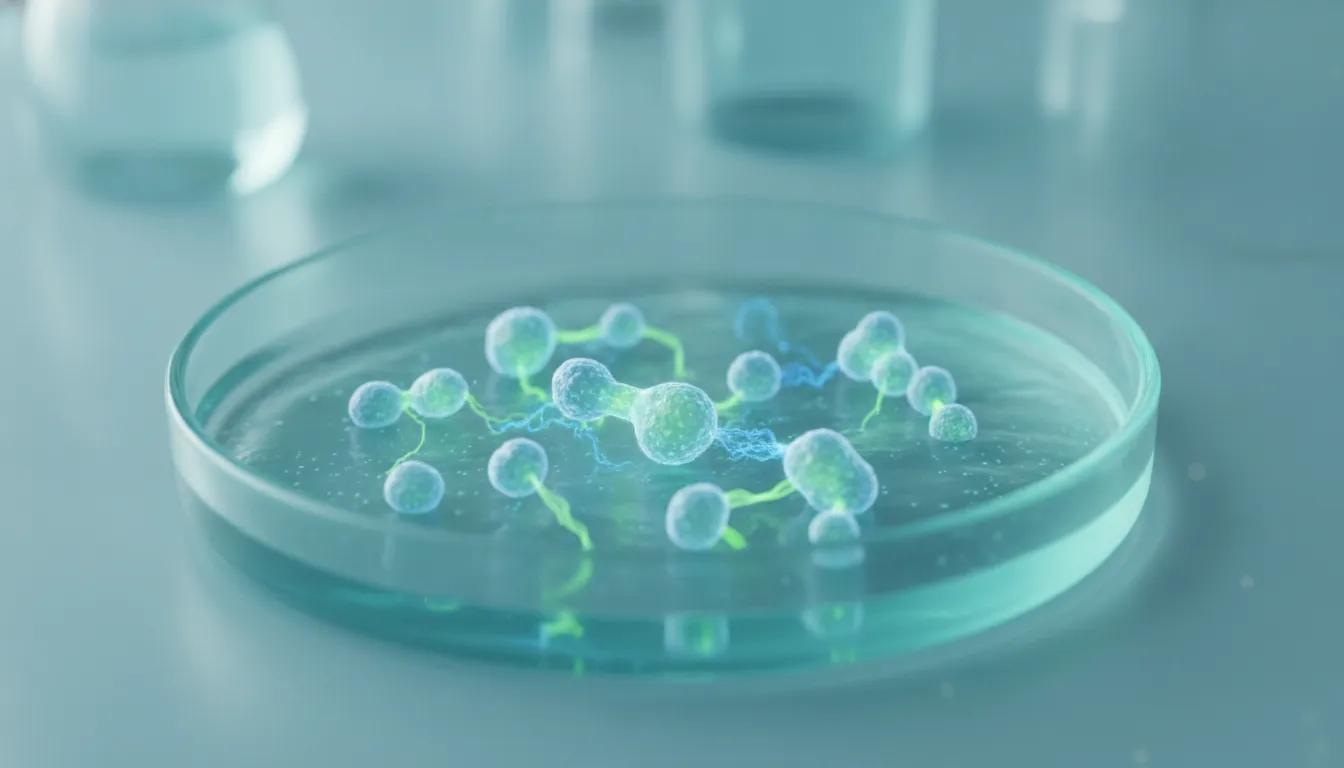
What makes these cells special is how they handle stress. In damaged tissues, most stem cells are fragile and die quickly because of harsh conditions. But MUSE cells are tough and can survive severe stress. This stress-enduring nature helps them stay alive where other cells might fail. Their robust nature allows them to persist and carry out crucial healing tasks over time.
Safety is also a major plus of this treatment. Some pluripotent stem cells can form tumors when used in treatments. But a key study on MUSE cells shows they are non-tumorigenic, meaning they do not form tumors. This crucial safety feature makes them an ideal choice for patients seeking secure regenerative care. Because they do not form tumors, patients can receive care with peace of mind.
Pluripotency and tissue repair
MUSE cells are truly pluripotent, meaning they can turn into any cell type from all three germ layers. Most adult stem cells can only turn into a few cell types. But the scientific foundations of MUSE cell therapy show a much wider repair capacity. They can become bone, muscle, or nerve cells to support deep tissue healing.
This power is vital when you compare MUSE cell therapy vs exosome therapy. While exosomes only send signals, MUSE cells are live entities that actively integrate into the damaged tissue. They then change to replace lost or injured cells. This makes them a powerful tool for complex joint and tissue repair.
What Is Exosome Therapy?
The use of exosome therapy is a modern branch of regenerative medicine that does not rely on living cells. Instead, this approach uses tiny bits to help cells talk to each other and repair damage. It is a key choice for patients looking at MUSE cell therapy vs exosome therapy in Miami.
The biology of cellular messengers
Exosomes are extracellular vesicles that cells release into the space around them. These tiny bubbles act as carriers in the human body. They help cells talk to each other by carrying a cargo of proteins, lipids, and genetic material. This process is shown in research on how vesicles work.
In the human body, cells talk to their neighbors using paracrine signaling. They release these vesicles into the fluid around them. Nearby cells then take in the bubbles and read their genetic data. This transfer of data is how cells guide tissue healing.
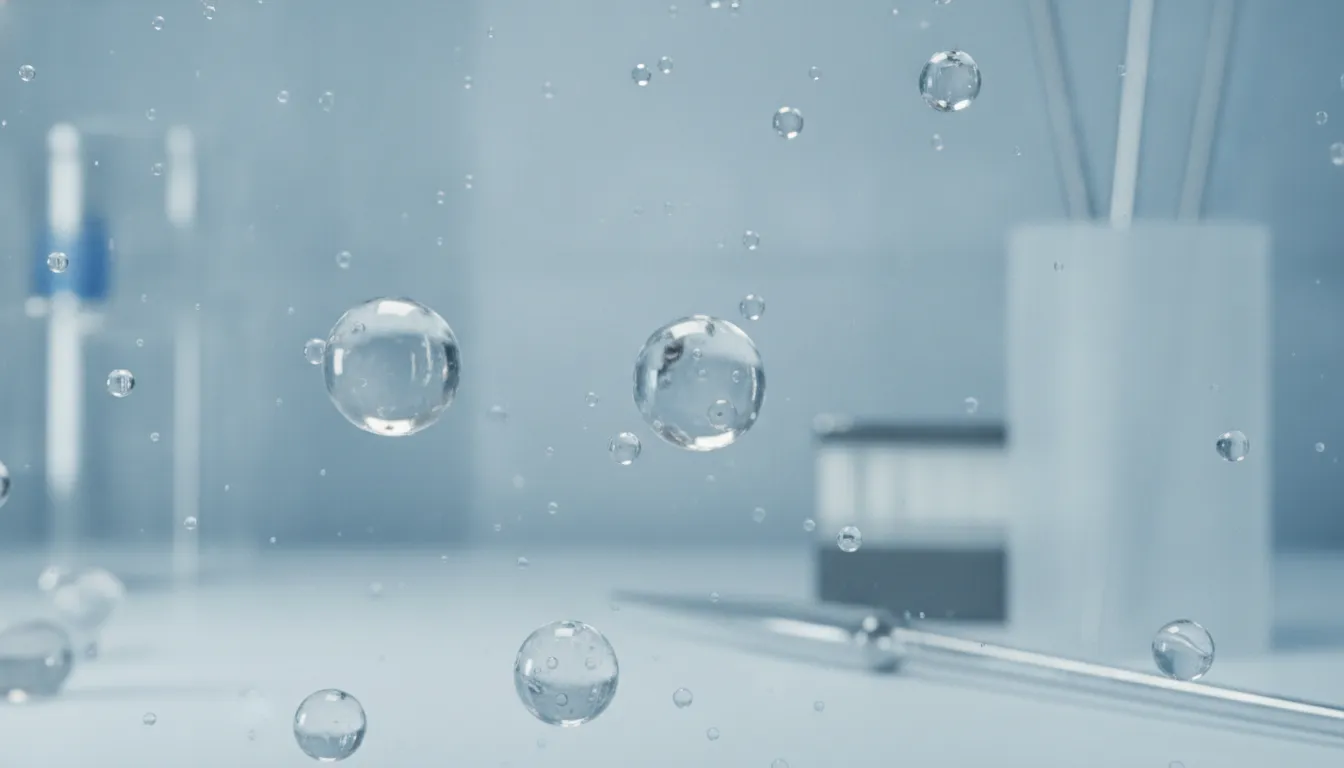
Stem cells produce these vesicles in large numbers. Medical experts value stem-cell-derived exosomes because they carry a rich cargo of growth factors and signaling molecules. According to a study on stem cell signaling, these molecules help direct tissue repair.
How vesicles support tissue healing
Exosomes act as carriers in the body. They copy many of the healing tasks of stem cell therapy. This process means there is no need for living cells to stay in the treated area.
These carriers support tissue repair in two main ways. First, they help control inflammation in the damaged area. Second, they promote the growth of new blood vessels, a process known as angiogenesis. A study on vesicle repair work shows how these actions speed up healing.
This control of inflammation is very helpful for patients with chronic joint pain. In a clinic, doctors use these vesicles to target areas that have worn down over time. By lowering swelling and helping blood flow, the method creates a healthy environment for healing.
Practical benefits of cell-free protocols
A cell-free approach offers clear benefits for storage and stability. Because exosomes are not living cells, they do not trigger a strong immune response. Research on cell-free therapies confirms these safety and stability benefits.
Because they lack a cell center, these vesicles cannot multiply on their own. This fact removes the risk of tumor growth, which is a major safety concern with some live cell therapies. These practical benefits make exosome methods a very safe option for modern clinic use.
Comparing MUSE Cell Therapy vs Exosome Therapy
Patients looking for regenerative care often compare MUSE cell therapy vs exosome therapy to find the best path. Both methods are offered in custom protocols at Miami Stem Cell to support healing. But these two approaches work in very different ways. Knowing how they differ helps patients make the right choice.
Biological makeup and cellular mechanisms
The core difference between these two options lies in the active agent. Muse cells are living, pluripotent cells that can integrate into tissue, but exosomes are non-living signaling vesicles. Standard mesenchymal stem cells are widely used in medicine, but clinical trials have shown mixed results. This fact has led doctors to look closely at Muse cells, which are rare and make up just 0.01% to 0.001% of bone marrow cells.
Because they lack a cellular structure, exosomes work by sending paracrine signals to nearby cells. In contrast, Muse cells migrate directly to the injury site. Once there, they can survive stress and turn into the cells that your body needs to rebuild.
Primary goals of regenerative care
The healing goals of these two options also differ. A primary goal of Muse cell therapy is to replace cells lost to injury or disease. In contrast, exosome therapy focuses on changing the local tissue environment. It works to lower inflammation and prompt your own cells to heal.
Muse cells can form all three germ layers, which reflects their broad capacity to repair different tissue types. Because they are non-tumorigenic, they offer a safety profile that suits careful clinical use. Exosomes, by contrast, are cell-free and cannot multiply, which removes any concern about abnormal tissue growth and makes them stable to store and use.
At Miami Stem Cell, we do not view these options as competing choices. Instead, both are offered in integrated protocols that support joint regeneration. The choice between therapies is tailored to each person. We focus on your specific age, condition, and overall cellular health to design the right plan.
Direct comparison of clinical features
The table below highlights how these two advanced therapies compare across key scientific and clinical points.
| Feature | MUSE Cell Therapy | Exosome Therapy |
|---|---|---|
| Agent | Living pluripotent cells | Non-living vesicles |
| Goal | Replace lost cells | Lower inflammation |
| Mechanism | Differentiate and integrate | Paracrine signals |
How Do MUSE Cells and Exosomes Work in the Body?
When you look at how these two tools work, the main difference lies in how they act on damaged tissue. In comparing MUSE cell therapy vs exosome therapy, we see two unique paths. MUSE cells are living cells that travel to injury sites, while exosomes are tiny vesicles that send chemical signals.
Active Tissue Repair by MUSE Cells
MUSE cells are tough, stress-enduring cells that survive in harsh places. Once they reach damaged tissue, they respond to signals from the local microenvironment. These cues guide them to change into the exact cell types needed for repair. This key trait is noted in clinical studies.
In animal models of acute injury, these cells show clear repair benefits. For example, testing in subjects with intracerebral hemorrhage showed major gains in motor and mental tasks. This research shows that the cells can actively rebuild structure and restore lost functions.
Paracrine Signaling and Exosomes
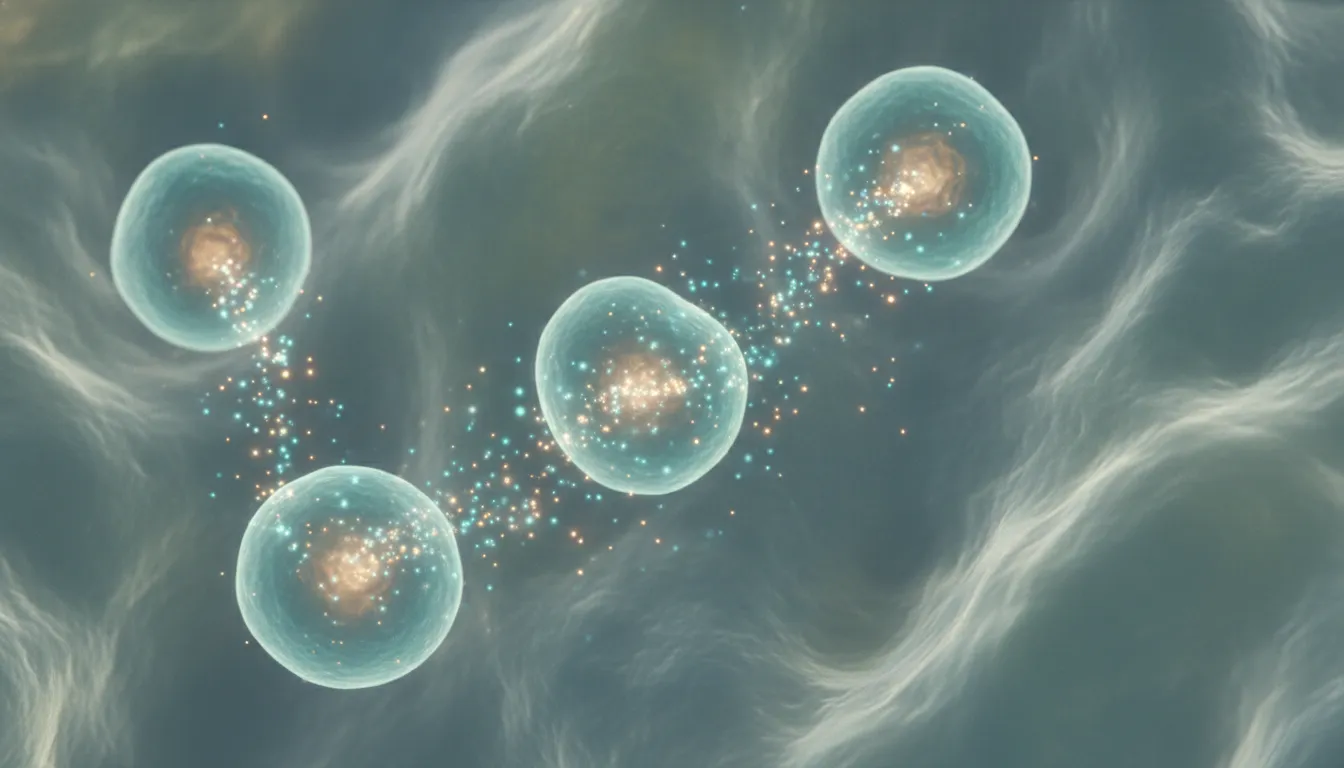
In contrast, exosomes do not integrate into the tissue or become new cells. Instead, they work through a process called paracrine signaling. They travel between cells to pass packets of protein, fat, and genetic codes. As noted in medical reports, this cell-to-cell transfer helps to soothe swelling and prompts local cells to heal.
When comparing MUSE cell therapy vs exosome therapy, you can view them as physical repair versus chemical signaling. MUSE cells act as the direct workers that rebuild the tissue. To learn more about this side, read about the unique properties of Muse cell therapy. Exosomes act as the signals that tell other cells how to heal.
Direct Integration vs Environmental Support
MUSE cells are active cells that can home straight to the site of damage. Once they arrive, they integrate into the host tissue. They become new, healthy cells that replace the ones that died. This direct tool for tissue repair is explained in the scientific foundations of Muse cell therapy.
Exosome therapy does not replace lost cells. Instead, it alters the local environment by sending cues to the cells already in the area. This helps to quiet down a busy immune system and reduce swelling. By changing the environment, it helps clear the path for natural healing. This process is a key part of extracellular vesicle research.
Which Miami Patients Benefit Most From Each Approach?
Choosing between MUSE cell therapy vs exosome therapy in Miami is a tailored process. Doctors look at your age, health status, and cell health. Both methods are often used for joint regeneration, anti-aging, and chronic pain. The choice depends on your own health goals. We tailor each plan to get the best results.

Personalization by Regenerative Need
Your choice between these options depends on your main goals. You may want to replace lost tissue or calm active swelling. This choice guides whether you need living cells or cell signals. To learn more, you can read about how Muse cells differ from mesenchymal stem cells. Our team in Miami helps you find the right path. Please note that these advanced therapies are out-of-pocket and are not covered by health insurance.
MUSE Cells for Deep Tissue Repair
MUSE cell therapy may suit people who need deep tissue repair. This cell-based approach uses living cells. These cells can travel to hurt areas. They join the tissue and change to replace lost cells. This is very useful for severe joint wear. Research shows these cells can repair tissue damage in animal models of brain stroke.
Because MUSE cells are stress-enduring, they can survive well in damaged areas. They can rebuild the physical structure of your joints from the root. This makes them ideal for older adults who have lost a lot of joint cartilage. These living cells stay in your body and work over a long time. They continue to repair tissue as your body heals. If your goal is long-term tissue repair, this living therapy may be the best fit.
Exosome Therapy for Active Inflammation
Exosome therapy may suit people who need to calm inflammation and heal fast. Exosomes are not living cells, but small vesicles that carry signal proteins. These vesicles work through paracrine signaling to tell your own cells to heal. This process helps to calm harsh immune responses and reduce swelling. It is a cell-free option that lowers the risk of immune rejection.
Active people and athletes often choose this method for quick recovery support. It is highly useful for soft tissue injuries, tendon pain, and acute flare-ups. These vesicles help to promote angiogenesis, which brings fresh blood flow to the injury site. This approach supports rapid recovery without using living cells. It allows you to bounce back faster from daily stress or sports injuries. If you need to cool down pain and swelling quickly, this plan is a great choice.
Can MUSE Cell Therapy and Exosome Therapy Be Combined?
When patients compare MUSE cell therapy vs exosome therapy, they often ask if they must pick just one. The short answer is no. You do not always have to choose between them.
In fact, mixing these two advanced tools is one of the most exciting parts of healing research today. Scientists are finding that these treatments do not work against each other. Instead, they can work together to help your body heal.
How Cells and Vesicles Work Together
MUSE cells and exosomes have different jobs in the body. MUSE cells are living, stress-enduring stem cells that can travel to injured areas. Once there, they can nestle into the tissue and grow into new, healthy cells to replace damaged ones.
On the other hand, exosomes are tiny, non-living packets that carry rich healing signals. They do not turn into new tissue. Instead, they send signals to local cells to calm down swelling and speed up repair.
Because their jobs are so different, using both tools makes a lot of sense. A recent study shows that mixing stem cells with exosomes can create a stronger healing response. The exosomes can prepare the local tissue area by reducing swelling and boosting blood flow. This gives the live MUSE cells a much better chance to survive, grow, and repair the damaged area.
Exosomes as Cellular Priming Agents
Future treatment plans are moving toward using exosomes as priming agents. In this approach, doctors would first use exosomes to calm a highly inflamed joint or organ. Once the harsh area is under control, they would give the cell therapy.
This two-step method is designed to help the live cells do their job best. It is like prepping the soil with plant food before planting a rare seed.
This approach may be helpful for severe joint or tissue wear. When joint pain or tissue wear is deep, a single approach might not be enough. Using both tools allows doctors to target both the symptoms and the root cause of the damage at the same time.
Tailored Protocols at Miami Stem Cell
At Miami Stem Cell, we know that every patient is unique. We do not believe in a one-size-fits-all approach to healing. Our medical team designs custom plans that are tailored to your specific age and health goals. Based on your needs, a plan that uses both cells and tiny packets can help support your healing.
Please keep in mind that these advanced therapies are out-of-pocket and not covered by insurance. But our team is ready to guide you through each step of your recovery. You can schedule a consultation with our doctors in Miami to discuss your recovery options.
How to Choose the Right Regenerative Protocol in Miami
Choosing a regenerative treatment is a personal journey. Patients in Florida have access to many advanced options. But finding the right path means looking at how different methods work in the body to support your healing. No single protocol works for every person. You must think about your budget, your pain level, and your health goals before you begin.
To get the best results, you need a plan built for your body. Our clinic helps you look at each choice with care. We use the latest science to guide you through this process. This ensures you get a safe and effective plan.
Clinical factors in regenerative choice
The choice between Muse cell and exosome therapy in Miami regenerative practices is often tailored based on the patient’s condition, age, and existing cellular health. While studies in MUSE cell biology and properties show these cells aim to replace lost tissue, exosome therapy mainly aims to lower inflammation. When deciding on a path, understanding the unique properties of Muse cell therapy helps match the treatment to your biology. Younger patients with acute sports injuries may need different care than older patients with chronic joint wear.
The step-by-step decision pathway
To help you make an informed choice, our clinic uses a clear, structured system. This pathway ensures your treatment fits your body and your wellness goals. Following these steps helps you choose with confidence. It also makes your journey simple.
- Undergo a full health check. Your journey starts with a deep clinical check. A doctor will check your physical health to set clear healing goals.
- Review your health history. We look at your past joint pain, chronic injuries, and how you have reacted to other treatments. This helps find what may help your body heal.
- Compare tissue repair with signal modulation. You must decide if your goals favor cellular replacement with Muse cells or cellular signaling with exosomes. Some patients may benefit from a mix of both.
- Discuss out-of-pocket costs. Regenerative therapies are non-surgical, self-pay options. Because these treatments are not covered by insurance, you should plan for these expenses.
- Formulate your tailored plan. You will get a custom protocol based on your age and health. This plan works under science-backed, FDA-compliant clinical protocols to protect your safety.
- Book your clinic visit. The final step is to meet with an expert. You can schedule a consultation at Miami Stem Cell to discuss your options.
Ready to build your personalized regenerative protocol in Miami? Contact us today to get started.
Frequently Asked Questions
What is the difference between MUSE cells and regular MSCs?
According to research in PMC, multilineage-differentiating stress-enduring (MUSE) cells are a rare subpopulation found within standard mesenchymal stem cells (MSCs). While regular MSCs have limited growth paths, MUSE cells are pluripotent. This means they can turn into all three embryonic cell layers to repair different tissues. They are also highly resistant to severe cellular stress.
What are the benefits of MUSE stem cell therapy?
A study in PubMed shows that MUSE cell therapy helps repair tissue over time because these cells can survive in harsh, damaged areas. Unlike some other stem cells, they do not form tumors. They can naturally find injured sites, integrate into the tissue, and turn into the healthy cells needed to help your body heal.
How much does MUSE cell therapy cost?
The exact cost of MUSE cell therapy depends on your personalized treatment plan, the area being treated, and the number of sessions you need. Like other regenerative treatments at Miami Stem Cell, this therapy is self-pay. These treatments are out-of-pocket and are not covered by insurance. You can get a clear price estimate during a free consultation with our specialists.
Is exosome therapy safe?
According to research in PMC, exosome therapy has a strong safety profile with low risk of immune rejection because exosomes are cell-free. However, because these are advanced protocols, they need expert medical oversight. At our clinic, we use sterile, highly tested products and follow strict clinical guidelines to protect patient safety.
Ready to Personalize Your Regenerative Care in Miami?
Allowing chronic joint pain or tissue wear to go untreated can cause more physical pain over time and make your future recovery much more difficult. Choosing to begin a personalized cellular care plan today may help support your body’s natural healing power and speed up your recovery process. Please keep in mind that all of our clinical therapies are self-pay options and are not covered by any form of health insurance.
Our medical team in Miami is ready to help you compare these options and choose the best path forward for your long-term wellness. Are you ready to take action? Call (305) 598-7777 to schedule a free consultation and discuss your health goals today.