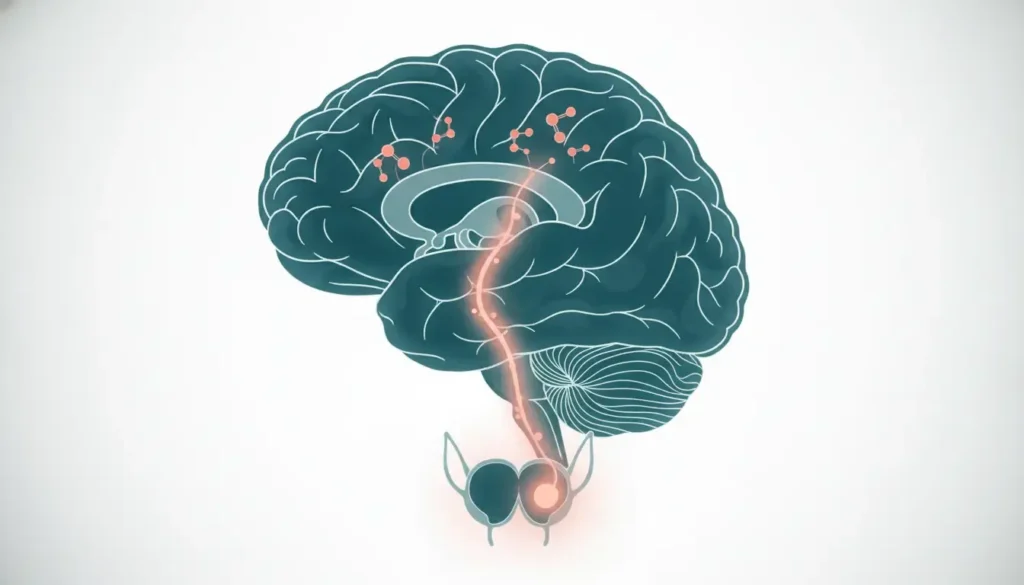
Let’s be direct: erectile dysfunction is more than just a bedroom issue. Think of it as a check engine light for your body. It’s often an early signal of underlying health conditions, from cardiovascular problems to hormonal imbalances, that deserve your attention. While it’s easy to focus only on the immediate symptom, a truly effective approach looks deeper to address the root cause. The great news is that modern medicine has moved far beyond temporary fixes. This guide is designed to walk you through the most effective non-surgical ED treatment options available today, focusing on therapies that promote genuine healing and support your long-term health and vitality.
Key Takeaways
- Look Beyond the Symptom: Treat erectile dysfunction as an important signal from your body. It often points to underlying health issues, so addressing the root cause is essential for finding a lasting solution and supporting your overall health.
- Know Your Treatment Philosophy: Decide if you prefer short-term symptom management (like pills) or long-term healing. Regenerative options such as stem cell and PRP therapy focus on repairing the underlying tissue to help restore natural function.
- Build a Foundation for Success: Medical treatments are most effective when supported by healthy habits. Combining your chosen therapy with improvements in diet, exercise, and stress management creates a powerful, comprehensive approach for better results.
What Is Erectile Dysfunction and Why Does It Happen?
Let’s start with a straightforward definition. Erectile dysfunction (ED) is the consistent inability to get or maintain an erection firm enough for sex. If this has been happening for more than a few months, it’s considered ED. While it’s a common issue, especially as men get older, it’s important to see it as more than just a bedroom problem. Your sexual health is often a direct reflection of your overall health, and paying attention to it is a key part of a proactive wellness plan.
Think of ED as a check engine light for your body. It can be an early warning sign of underlying health conditions that need attention, from cardiovascular issues to hormonal imbalances. The good news is that there are many effective ways to address it, and you don’t have to jump straight to invasive procedures. Understanding what’s causing the issue is the first step toward finding a solution that works for you. Modern medicine offers a variety of non-surgical erectile dysfunction treatments that focus on addressing the root cause, not just masking the symptoms. By taking a proactive approach, you can improve both your sexual wellness and your long-term health.
Understanding the Common Causes of ED
Erectile dysfunction is rarely an isolated issue. More often than not, it’s linked to other health problems that affect your blood vessels, nerves, or hormones. Conditions like high blood pressure, heart disease, diabetes, and obesity are some of the most common physical culprits. These issues can damage blood vessels and restrict blood flow to the penis, which is essential for achieving an erection.
For younger men, ED can sometimes be an early indicator of future cardiovascular problems, appearing years before a heart attack or stroke might occur. This is why it’s so important to take it seriously and speak with a doctor. Addressing the underlying health condition is a key part of an effective sexual wellness plan and can lead to lasting improvements.
Distinguishing Between Physical and Psychological Factors
ED can stem from physical issues, psychological factors, or a combination of both. On the physical side, the problem usually comes down to blood flow, nerve supply, or hormone balance. But the mind plays a powerful role in sexual arousal, and psychological factors are just as important to consider.
Stress, anxiety, depression, and relationship problems can all contribute to or even directly cause ED. Performance anxiety is a common one; worrying about being able to get an erection can create a cycle of stress that makes it even more difficult. If mental or emotional issues are at the heart of the problem, counseling can be an effective way to reduce anxiety and rebuild confidence. Understanding the source of your ED is crucial for finding the right treatment path.
Why Explore Non-Surgical Options First?
When faced with ED, many people think of the little blue pill first. While oral medications can be effective for some, they aren’t a one-size-fits-all solution. These pills don’t work for everyone, can come with unwanted side effects, and may be unsafe for men with certain health conditions. They also don’t address the underlying cause of the ED; they simply offer a temporary fix.
Exploring non-surgical options first allows you to find a treatment that targets the root of the problem, promoting natural function and long-term results. Choosing a treatment is a personal decision, and it’s one worth discussing with your partner and a trusted physician. A personalized approach gives you the best chance to find a lasting solution that fits your health needs and lifestyle.
An Overview of Conventional Non-Surgical ED Treatments
When you first start looking into treatments for erectile dysfunction, you’ll likely come across a few common non-surgical options. These methods have been the standard approach for many years and are often the first line of treatment recommended by doctors. They primarily focus on managing the symptoms of ED to make an erection possible. Understanding how these conventional treatments work, including their benefits and limitations, is a great first step. It gives you a baseline for comparison as you explore more advanced therapies that aim to address the root cause of the issue, rather than just the immediate symptoms.
Oral Medications (PDE5 Inhibitors)
You’ve probably heard of pills like Viagra and Cialis. These are part of a class of drugs called PDE5 inhibitors, and they are a very common starting point for treating ED. These medications work by relaxing the muscles in the penis and increasing blood flow to the area. It’s important to know that they don’t automatically cause an erection; you still need to be sexually aroused for them to work. While they can be effective for many, they are a temporary solution that requires planning. You have to take the pill a certain amount of time before you plan to be intimate, and their effectiveness can sometimes be affected by food or other medications.
Vacuum Erection Devices
A vacuum erection device, sometimes called a penile pump, is a mechanical, non-drug option. This external pump is placed over the penis, and it uses suction to draw blood into it, creating an erection. Once the erection is achieved, a constriction ring is slipped onto the base of the penis to maintain it, and the pump is removed. For many, this is a reliable and effective method that avoids medication. However, the process can feel a bit cumbersome and may interrupt spontaneity. It’s a practical solution that works on a purely physical level, but it doesn’t do anything to treat the underlying conditions that may be causing the erectile dysfunction in the first place.
Penile Injections and Urethral Suppositories
For those who don’t respond well to oral medications, direct therapies like injections or suppositories are another option. Penile injections involve using a very fine needle to inject medication directly into the base of the penis, which helps trigger an automatic erection by improving blood flow. Your doctor teaches you how to do this safely at home. Another method is a urethral suppository, where a tiny medicated pellet is inserted into the opening of the penis. An erection usually develops within about 10 minutes. While effective, the idea of needles or suppositories can be a significant hurdle for some men, making these options feel more invasive than other treatments.
Weighing the Pros, Cons, and Limitations
Each of these conventional treatments comes with its own set of considerations. Oral medications require timing and planning, vacuum devices can be awkward, and injections can feel invasive. The most important thing to recognize is that these methods are designed to manage symptoms in the short term. They create an erection when you need one, but they don’t repair the underlying issues, such as damaged blood vessels or nerve tissue, that are causing the ED. This is why many people now explore regenerative treatments that focus on healing the body from within. Making a choice is a personal decision, and it’s always best to discuss all your options with a specialist who can help you find a path forward.
How Testosterone Replacement Therapy Can Help ED
When we talk about men’s health and sexual function, testosterone often enters the conversation, and for good reason. This hormone plays a major role in everything from muscle mass to mood, including sexual desire and performance. If you’re dealing with erectile dysfunction, it’s worth considering if low testosterone levels might be part of the picture. Testosterone replacement therapy (TRT) is a medical treatment designed to restore this hormone to a healthy range. While it’s not a universal solution for all cases of ED, it can be a game-changer when a hormonal imbalance is a contributing factor. Let’s look at how it works.
The Link Between Low Testosterone and ED
Testosterone is crucial for a healthy libido (sex drive), but its role in erections is a bit more complex. While it doesn’t directly trigger an erection, it supports the chemical processes in the brain and body that do. Think of it as a key player that helps set the stage for a healthy sexual response. When testosterone levels are low, you might notice a drop in sexual desire, which can make it harder to achieve an erection. Low T can also contribute to the underlying health issues that lead to erectile dysfunction, like reduced blood flow. If low testosterone is identified as a factor, bringing those levels back into a normal range can significantly improve erectile function and overall sexual health.
Understanding the Benefits and Risks
It’s important to know that testosterone replacement therapy isn’t typically the first treatment prescribed for ED. Instead, it’s recommended when blood tests confirm that low testosterone is a primary cause of your symptoms. For the right person, TRT can restore libido, improve mood and energy, and support better erections. It can be used on its own or combined with other treatments for a more comprehensive approach to sexual wellness. However, like any medical treatment, it’s not without potential risks. That’s why a thorough discussion with your doctor is essential to weigh the personal benefits against any possible side effects and determine if it’s a safe and appropriate option for your specific health profile.
Is Testosterone Replacement Right for You?
The only way to know if TRT is a suitable path for you is to get a clear diagnosis. This starts with a simple blood test to measure your hormone levels. If your results show clinically low testosterone, your doctor can walk you through the next steps. Testosterone therapy can be administered in a few different ways, including gels, patches, or injections, and your provider will help you choose the method that best fits your lifestyle. The goal is to create a personalized treatment plan that addresses the root cause of your ED. If you suspect low testosterone might be affecting you, the first step is to schedule a consultation to get tested and explore your options with a specialist.
Exploring Regenerative Treatments for ED
If you’re looking for a solution that does more than just manage symptoms, regenerative medicine offers a different path forward. These therapies are designed to work with your body’s natural healing abilities to repair the underlying issues causing ED. Instead of a temporary fix, the goal is to restore function for long-term results. At Miami Stem Cell, we focus on these cutting-edge, non-surgical options that address the root cause of erectile dysfunction. Let’s walk through some of the most effective approaches available today.
Stem Cell Therapy: Address the Root Cause
Stem cell therapy gets to the heart of the matter by helping to regenerate damaged tissues in the penis. The primary cause of ED for many men is poor blood flow from damaged or aging blood vessels. Our treatments use powerful mesenchymal stem cells which can develop into new cells, including the endothelial cells that line your blood vessels. By repairing and creating healthier blood vessels, stem cell therapy can restore natural blood flow. Research published in The Journal of Sexual Medicine confirms that this approach is promising for treating ED, especially when vascular issues are the main problem. It’s a way to rebuild function from the inside out, rather than just masking the symptoms.
PRP Therapy: How It Works and What to Expect
Platelet-rich plasma (PRP) therapy is another regenerative technique that uses your body’s own healing power. The process is straightforward: we draw a small amount of your blood, process it in a centrifuge to concentrate the platelets, and then inject this PRP into specific areas of the penis. These platelets are packed with growth factors that act like a call to action for your body’s repair systems. They stimulate tissue regeneration and improve circulation. A systematic review found that PRP therapy has shown real promise for improving erectile function. The procedure is minimally invasive, performed right in our clinic, and has a relatively quick recovery time, making it a convenient and effective option.
Acoustic Wave Therapy: Stimulate Blood Flow Naturally
Acoustic wave therapy (AWT) is a completely non-invasive treatment that uses low-intensity sound waves to improve erectile function. During the procedure, these gentle waves are applied to the penis to stimulate the growth of new blood vessels and break up micro-plaque. This process, known as neovascularization, improves blood flow and enhances sensitivity. A study in The Journal of Urology found that AWT can lead to significant and sustained improvements in erectile function. Because it’s non-invasive and works to restore natural mechanisms, it’s an excellent option for men seeking a solution without needles or downtime for their sexual wellness.
How Regenerative Medicine Differs from Conventional Options
The fundamental difference between regenerative medicine and conventional ED treatments is the goal. Pills and injections work by temporarily increasing blood flow to allow for an erection, but they don’t fix the underlying problem. Once the medication wears off, the issue remains. Regenerative therapies like stem cell treatment, PRP, and AWT are designed to repair the tissue and blood vessels that are causing the problem in the first place. As one review in Nature Reviews Urology puts it, these approaches represent a “paradigm shift” by targeting the root causes. The aim is to restore your body’s natural ability to function, leading to more spontaneous and lasting results.
Using Peptide Therapy to Enhance Sexual Wellness
If you’ve tried other ED treatments without the results you hoped for, or if you’re looking for an approach that works with your body’s natural systems, peptide therapy is an exciting option. Unlike medications that primarily focus on blood flow, certain peptides work on a different level, targeting the brain’s signaling pathways to enhance desire and performance from the inside out. This makes it a unique and powerful tool for improving your sexual wellness.
How Peptides Can Support Erectile Function
Peptides are short chains of amino acids, which are the building blocks of proteins. They act as messengers in your body, telling your cells and systems what to do. When it comes to sexual function, a specific peptide called PT-141 (Bremelanotide) has shown incredible promise. Instead of just affecting blood vessels, PT-141 works by activating receptors in your brain that are linked to sexual arousal. This can lead to increased desire and improved erectile function. In fact, research30001-0/fulltext) has found it to be effective even for men who don’t respond to common ED pills. Our clinic uses peptide therapy to help your body restore its natural signaling for better sexual health.
Could Peptide Therapy Be a Good Fit for You?
Peptide therapy might be the right choice if you’re seeking a more holistic approach to sexual wellness or if conventional treatments haven’t worked for you. Because it uses your body’s own signaling pathways, many find it to be a well-tolerated option with fewer side effects than some traditional medications. However, it’s not a one-size-fits-all solution. The best way to know if it’s right for you is to have a conversation with a medical professional. A personalized treatment plan is key to ensuring you get the best possible results. We can help you determine if peptide therapy for erectile dysfunction aligns with your health goals and create a strategy tailored to your unique needs.
Addressing the Psychological Side of ED
Treating erectile dysfunction effectively means looking at the whole picture, and that absolutely includes your mental and emotional health. The brain is the most important sex organ, after all. It’s where desire begins, and it’s also where stress, anxiety, and self-doubt can interfere with your body’s physical response. For many men, the psychological component of ED is just as significant as any physical cause.
Ignoring the mental side can feel like trying to fix a car engine without checking the electrical system; you might be missing a key part of the problem. A comprehensive approach to sexual wellness acknowledges this powerful mind-body connection. Integrating strategies to manage stress and address emotional hurdles is not just a helpful add-on, it’s a fundamental part of creating lasting results and restoring your confidence both in and out of the bedroom.
The Impact of Stress, Anxiety, and Relationships
It’s easy for a frustrating cycle to begin. An occasional issue with getting an erection can lead to worry, and that worry, often called performance anxiety, can make it even harder to get an erection the next time. Soon, the anticipation of failure becomes a self-fulfilling prophecy. Beyond the bedroom, general life stress from work, finances, or family can put your body in a constant state of “fight or flight,” diverting resources away from functions like sexual response.
Relationship dynamics also play a huge role. Unspoken tensions, poor communication, or conflict with a partner can create an emotional distance that manifests physically. Recognizing how these psychological factors contribute to ED is the first step toward breaking the cycle and finding a path forward.
How Therapy and Counseling Can Help
Talking to a professional is a proactive and powerful step toward resolving the psychological triggers of ED. A therapist or counselor can provide a confidential space to explore sources of stress and anxiety without judgment. They can equip you with practical tools, such as cognitive-behavioral therapy (CBT) techniques, to challenge negative thought patterns about sexual performance. This process helps lower the worry and pressure you might feel.
If relationship issues are a factor, couples counseling can be incredibly effective. It opens up lines of communication and helps you and your partner work through challenges as a team. Integrating counseling into your overall erectile dysfunction treatment plan provides comprehensive support, addressing both the physical and emotional roots of the condition.
Strengthening the Mind-Body Connection
You can actively work to strengthen your mind-body connection and reduce the impact of stress on your sexual health. Practices like mindfulness and meditation are excellent for training your brain to stay in the present moment rather than getting caught in cycles of worry about the past or future. Simple deep-breathing exercises can also calm your nervous system in minutes, lowering stress hormones that interfere with arousal.
Making stress management a regular part of your routine supports not only your sexual function but your overall health and longevity. By addressing your mental well-being, you create an internal environment that is more relaxed, confident, and receptive to pleasure, which complements any physical treatments you may be pursuing as part of your anti-aging and wellness goals.
Can Lifestyle Changes Really Improve ED?
While advanced treatments offer powerful solutions for ED, the daily choices you make play a huge role in your sexual health. Think of lifestyle changes as the foundation upon which effective treatments are built. Adopting healthier habits not only addresses some of the underlying causes of erectile dysfunction but also creates an internal environment where regenerative therapies can deliver the best possible results. By focusing on these key areas, you can take an active role in your journey toward improved function and long-term wellness.
The Role of Diet, Exercise, and Weight
What you eat and how you move directly impacts your cardiovascular system, which is the engine behind erectile function. A diet centered on whole foods, lean proteins, and healthy fats helps keep your blood vessels clear and flexible. Regular exercise, even something as simple as a daily brisk walk, improves blood flow, reduces stress, and helps you maintain a healthy weight. Carrying extra weight can contribute to conditions like high blood pressure and diabetes, both of which are major risk factors for ED. Making small, consistent changes in these areas can significantly support your overall sexual wellness and enhance the effectiveness of any treatment you pursue.
Uncovering Hidden Triggers: Alcohol, Smoking, and Sleep
Sometimes, the habits we don’t think much about can have the biggest impact. Smoking is a primary example, as it damages blood vessels and directly impairs blood flow. Similarly, while moderate alcohol consumption may not be an issue, excessive drinking can interfere with your ability to achieve and maintain an erection. It’s also important to consider sleep. Consistently poor sleep can disrupt hormone levels, including testosterone, and drain your energy, making it difficult to feel your best. Addressing these hidden triggers is a critical step in managing erectile dysfunction and improving your health from the inside out.
How to Pair Lifestyle Changes with Your Treatment
Lifestyle adjustments and medical treatments are not an either-or choice; they work best together. When you improve your diet, exercise, and sleep, you create the ideal conditions for your body to respond to therapy. This approach ensures that you are not just treating a symptom but are actively building a healthier system that is more receptive to healing. A personalized plan that combines healthy habits with innovative treatments like stem cell therapy can lead to more significant and lasting improvements. Discussing your lifestyle with your doctor will help create a comprehensive strategy tailored to your specific needs and goals.
How to Choose the Right Non-Surgical ED Treatment
Finding the right treatment for erectile dysfunction can feel like a major undertaking, especially with so many options available. From oral medications to advanced regenerative therapies, the landscape of men’s sexual health has expanded significantly. This is great news, because it means you have more opportunities than ever to find a solution that truly works for you. The key is to move beyond a one-size-fits-all mindset and focus on a strategy tailored to your specific needs, biology, and health goals.
The most effective approach is a partnership between you and a knowledgeable physician. It starts with an open conversation and a deep look into the potential causes of your ED. Is it related to blood flow, nerve issues, hormones, or a combination of factors? A temporary fix might seem appealing, but a lasting solution requires addressing the problem at its source. By working with a professional to understand the “why” behind your symptoms, you can create a comprehensive plan that not only improves erectile function but also supports your overall long-term health and well-being. This process empowers you to make informed decisions and choose a path that leads to genuine, sustainable results.
Key Questions to Ask Your Doctor
The first step toward finding the right solution is having an honest and thorough conversation with your doctor. Don’t hold back; the more information they have about your health and experiences, the better they can guide you. To get the most out of your consultation, go in prepared with a few key questions. This shows you’re an active participant in your health care and ensures all your concerns are addressed.
Start by asking, “What do you think is the underlying cause of my ED?” From there, you can explore which diagnostic tests might be needed. Other important questions include: “What are all of my treatment options, including both conventional and regenerative therapies?” and “How can we create a plan that focuses on long-term healing rather than just managing symptoms?”
Why a Personalized, Root-Cause Approach Is Key
ED is often a symptom of a deeper health issue. It can be an early warning sign of cardiovascular disease, hormonal imbalances, or nerve damage. That’s why simply treating the symptom with a pill often falls short of a real solution. A personalized, root-cause approach aims to identify and treat the main reason for ED. This method looks at your entire health profile to create a plan that’s unique to you.
This is where regenerative medicine truly shines. Instead of providing a temporary patch, treatments like stem cell therapy are designed to address the foundational cause, such as poor blood flow or damaged tissue. By focusing on healing the body from within, you’re not just improving erectile function; you’re investing in your overall health for years to come.
Combining Treatments for the Best Outcome
The most effective treatment plans are rarely built on a single solution. Instead, they often involve a combination of therapies that work together to produce the best possible outcome. For example, if low testosterone is a contributing factor, hormone replacement may be part of the plan, but it might be combined with other treatments to address different aspects of your health. This multi-faceted strategy ensures all contributing factors are addressed.
A comprehensive plan could involve using PRP therapy to help repair tissue, making targeted lifestyle changes to improve cardiovascular health, and incorporating peptide therapy to support your body’s natural healing processes. By layering treatments, you create a powerful, synergistic effect that can lead to more significant and lasting improvements in both sexual function and overall vitality.
Related Articles
- Stem Cell Therapy for Long-Term ED: Research, Safety & Results | Miami Stem Cell
- Stem Cell Therapy for ED: Effectiveness, Safety & Benefits
- Does Stem Cell Therapy Really Work for ED? – Stem Cell Therapy | Miami Stem Cell
- Sexual Wellness Treatments & Regenerative Therapies | Miami Stem Cell
Frequently Asked Questions
What’s the real difference between regenerative treatments and conventional ED pills? Think of it this way: conventional pills like Viagra or Cialis are a temporary tool. They work by chemically forcing blood flow to the penis for a few hours to allow for an erection. Regenerative therapies, such as stem cell or PRP treatments, are focused on repair. They use your body’s own healing mechanisms to fix the underlying problem, like damaged blood vessels, so that your body can produce natural, spontaneous erections on its own again. The goal is to restore function, not just to manage a symptom for a night.
Are treatments like stem cell therapy and PRP safe? Safety is understandably a top concern, and these treatments have a strong safety profile. PRP therapy is very safe because it uses a concentration of platelets from your own blood, so there is virtually no risk of an allergic reaction or rejection. The mesenchymal stem cells we use are sourced from donated umbilical cords, which are carefully screened and processed in a lab that follows strict guidelines. These cells are also immunoprivileged, meaning they don’t trigger an immune response. A consultation will always cover your specific health profile to ensure any treatment is right for you.
How long do the results from regenerative therapies last? Because regenerative treatments are designed to heal the body from the inside out, the goal is to achieve long-term, sustainable improvement. Unlike a pill that wears off in a few hours, the new blood vessels and healthier tissue that result from therapies like acoustic wave or stem cell treatment are intended to be lasting. While individual results can vary based on your health and lifestyle, the aim is to restore your body’s natural function for the long haul, not just provide a temporary fix.
How can I figure out if my ED is caused by physical or psychological issues? It can be very difficult to untangle this on your own, especially since the two are often connected. For example, a physical issue can cause performance anxiety, which then makes the physical problem worse. The most reliable way to understand the source of your ED is to speak with a specialist. A thorough consultation, which may include blood tests and an honest conversation about your stress levels and relationship dynamics, helps create a complete picture. This allows a doctor to identify the root causes and recommend a plan that addresses both your physical and mental well-being.
Is it possible to combine different treatments for a better outcome? Absolutely. In fact, combining treatments is often the most effective strategy because it addresses the problem from multiple angles. A personalized plan might involve using PRP therapy to repair tissue, making specific lifestyle changes to improve your cardiovascular health, and incorporating peptide therapy to support your body’s natural signaling for arousal. This kind of comprehensive approach creates a powerful, synergistic effect that can lead to more significant and lasting improvements than relying on a single solution.